Are CVT Transmissions Bad? Pros and Cons Every Car Buyer Should Know
Posted Friday, Jul 03, 2026
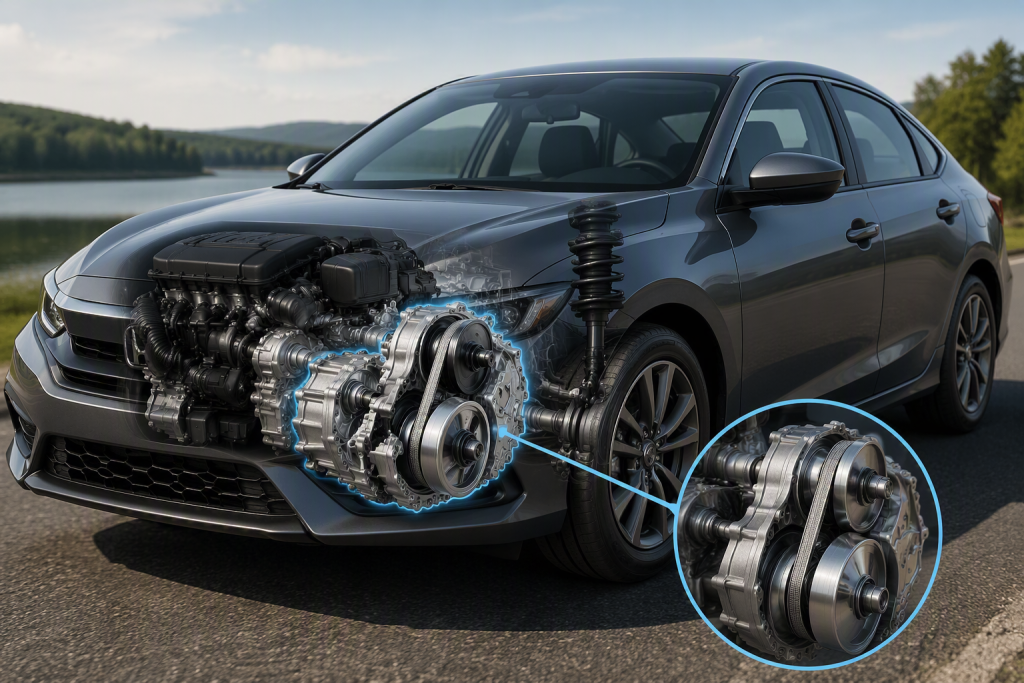
Continuously variable transmission (CVT) technology has changed how many drivers experience acceleration, fuel economy, and driving smoothness. If you're researching whether to buy a car with a CVT transmission, understanding CVT transmissions, their reliability, maintenance needs, and repair costs is crucial. This guide covers the truth every car buyer should know to make an informed decision when buying a new or pre-owned vehicle.
Are CVT transmissions less reliable than conventional transmission models?
Reliability is a top concern for any car buyer. Historically, some CVT transmissions had a reputation for premature failure, especially in certain models like early Nissans and older cvt’s from the 2010s. Modern manufacturers such as Honda and Subaru have improved design, materials, and transmission fluid management, which has increased reliability. However, consumer reports and automotive forums still show variability between brands and years.
When comparing automatic or manual transmissions to a continuously variable transmission, consider the model-specific warranty, maintenance records, and known issues. A vehicle with documented regular transmission fluid changes and no past malfunctions usually offers a more reliable drivetrain and fewer repair costs than an equally aged car with unknown service history.
How do CVT transmissions affect the driving experience and acceleration?
Many drivers notice a different ride with CVTs: smoother acceleration without the shift shock of traditional automatic gear changes. A CVT uses a belt and variable pulley system to provide seamless gear ratios, so the engine often holds a steady rpm while the pulley adjusts for acceleration. This can feel unusual at first, but it's generally smoother and optimized for fuel efficiency.
That said, some drivers dislike the "rubber-band" feeling when trying to accelerate quickly. For drivers who prioritize sporty acceleration or manual-like control, manual transmissions or modern automatic transmissions with defined gear steps may be preferable. If you regularly tow, drive aggressively, or demand immediate throttle response, consider specific models or hybrids engineered to handle those loads.
Do CVT transmissions save fuel compared to automatic transmissions?
One of the main selling points of CVTs is better fuel economy. By continuously adjusting gear ratios to keep the engine at optimal efficiency, CVT transmissions can deliver great fuel economy in city and highway driving. Many hybrids and smaller hatches utilize CVTs to maximize miles per gallon versus comparable conventional automatic systems.
However, the real-world fuel efficiency depends on vehicle weight, engine tuning, and driving style. Buyers seeking the best fuel efficiency should compare observed mpg figures from owners and reliable automotive tests, not just manufacturer claims. Regular maintenance, including proper transmission fluid changes, helps sustain fuel efficiency over time.
Which brands have the best CVT reputations: Honda, Nissan, or Subaru?
Brand reputation matters when evaluating a CVT transmission. Honda has generally sold CVT-equipped models with a reputation for reliability and refinement, while early Nissans and some Infiniti models gained notoriety for transmission failures around the 2014 model years. Subaru has also adopted CVTs in many models like the Subaru Forester, and their newer CVT designs tend to be robust, especially when paired with regular maintenance.
Always check the specific model year and powertrain reviews. For example, some Nissan and Infiniti vehicles from certain years experienced belt or pulley issues leading to costly repairs or rebuilds. On the other hand, many Honda and Subaru CVT implementations have earned positive consumer feedback and manufacturer updates that improved longevity and driver satisfaction.
What common CVT failures should a car buyer watch for?
Common issues with CVTs include belt or chain wear, pulley malfunction, seal leaks, and premature failure of components. Symptoms of a failing CVT can include slipping, unusual noises, hesitation to accelerate, or a check engine light indicating transmission faults. These issues can lead to expensive repairs or rebuilds if not addressed early.
To minimize risk, ask for a full service history, verify transmission fluid changes, and get a pre-purchase inspection from a trusted mechanic. Look for manufacturer recalls and TSBs (technical service bulletins) related to the model. A vehicle with a clean history and an active warranty covering the powertrain provides better protection for the buyer.
How much do CVT repair and maintenance costs compare to conventional automatics?
CVT repair costs can be higher than standard automatic transmission repairs because specialized components like belts, pulleys, and specific fluid types are often required. In some cases, a full CVT rebuild or replacement may be more expensive than servicing a torque-converter automatic. However, proper preventive maintenance—especially timely transmission fluid changes using the correct transmission fluid—reduces the likelihood of expensive failures.
When buying, factor in potential repair costs, warranty coverage, and whether a certified shop experienced with CVTs services the vehicle. Some manufacturers offer extended warranties or repair packages that make owning a car with a CVT transmission cheaper for long-term ownership.
Are CVTs suitable for hybrid vehicles and small cars?
CVTs are especially common in hybrids and small hatchbacks because they optimize the engine’s operating point for fuel efficiency. Many hybrid powertrains pair an electric motor with a CVT to smooth the transition between electric and gasoline power while maximizing mpg. Small cars often benefit from the smoother, economical drive characteristics that CVTs deliver.
For drivers prioritizing commuting efficiency, a car with a CVT transmission often delivers the best balance between performance and economy. Yet, check model-specific reviews: some hybrids and small cars vary in how well the CVT is integrated into the vehicle’s overall design and powertrain calibration.
Should buyers prefer automatic or manual transmissions over CVTs for long-term ownership?
Choosing between CVT, automatic transmission, or manual transmissions depends on your priorities. Manual transmissions often offer lower repair costs and a more engaging drive but are less common today. Traditional automatics can be more robust for heavy-duty driving and towing. CVTs are advantageous for smoothness and fuel efficiency but can have higher repair complexity.
For long-term ownership, consider model reliability data, the availability and cost of repair parts, and your driving habits. If you value low maintenance and a sporty feel, a manual or a modern stepped automatic might fit better. If you want top fuel economy and a smoother ride, a CVT-equipped vehicle may be the best choice.
How can a buyer inspect a used car with a CVT before purchasing?
Before purchasing a used car, conducting a thorough inspection is highly recommended. Check for transmission fluid leaks, service records showing fluid changes, and test-drive the vehicle across different speeds and loads. During the test drive, listen for whining or grinding, feel for slip or hesitation, and note how the car accelerates from a stop. Any shuddering or delayed response should raise a red flag.
Get a professional mechanic to perform a pre-purchase inspection focused on the drivetrain. Review the vehicle’s history report for past transmission repairs, and confirm whether the powertrain warranty is active or transferable. A well-documented service history often indicates a more reliable used vehicle and can save you significant repair costs down the road.
Can transmission warranties and manufacturer recalls protect buyers of CVT vehicles?
Warranty coverage is a major factor when deciding to buy a car with a CVT transmission. Many manufacturers offer comprehensive powertrain warranties that include the transmission, which can protect against expensive component failures. Extended warranties, certified pre-owned programs, and manufacturer recalls or service campaigns are valuable for reducing financial risk.
Before you buy, ask the dealer or owner about any open recalls or technical service bulletins for the model. Verify warranty terms, including what's covered for transmission failures and repair costs. A vehicle with an active warranty or recent manufacturer updates is a safer choice for buyers concerned about CVT reliability.
Are newer CVTs better than older models and are they cheaper to repair?
Newer CVT transmissions are generally better engineered, with improvements in belt materials, pulley designs, and transmission fluid formulations. These updates have enhanced durability, reduced failures, and improved driver feel. Newer models from trusted brands often show fewer issues compared to older CVTs, particularly those from the early 2010s.
While repair techniques and parts availability have improved, CVT repairs can still be costly compared to traditional automatics in some cases. However, the improved reliability of modern CVTs plus better manufacturer support frequently results in lower lifetime repair costs than older counterparts. Always research specific model years and consumer feedback to understand potential costs and reliability expectations.
How should a car buyer decide whether to buy a car with a CVT transmission?
Deciding to buy a car with a CVT transmission comes down to priorities: If you value better fuel efficiency, a smooth ride, and modern hybrid integration, CVTs are compelling. If you need sporty acceleration, heavy towing, or simplified repairability, you might prefer a manual or traditional automatic. Review model-specific reliability, service records, and warranty coverage when making your choice.
Practical steps for buyers include:
1) Test-driving the vehicle to assess ride and acceleration
2) Obtaining a professional inspection focused on the transmission
3) Checking service history for regular transmission fluid maintenance
4) Verifying warranty coverage and recalls. These actions help ensure you buy a reliable vehicle that meets your expectations.
Summary: Are CVT Transmissions Bad? The Truth Every Car Buyer Should Know
CVT transmissions are not inherently bad, but their suitability depends on brand, model, maintenance history, and driving needs. Modern CVTs offer smooth shifts, great fuel economy, and improved reliability, especially in models from Honda and Subaru. However, early-generation CVTs and certain Nissan models faced higher failure rates and repair costs. A responsible car buyer should weigh factors like transmission fluid service, warranty coverage, and pre-purchase inspections when evaluating a vehicle with a continuously variable transmission.
If you're shopping for used cars for sale, work with a reputable used car dealership and request full service records. At Olympic Auto Sales, a Used Car Dealership in Decatur, GA, buyers can find support from experienced used car dealers who understand transmission issues and can help you evaluate models like the Subaru Forester, hatchback, hybrid, or sedans with CVTs. Whether you aim to buy a car for better fuel efficiency, reliability, or long-term ownership, prioritize inspection, warranty protection, and transparent dealer communication to make the best purchase decision.