


Diesel vs. Gas Trucks: Choosing the Right Engine for Your Needs

One of the most critical decisions when purchasing a truck is opting for a diesel or gasoline engine. Understanding the core differences between these two types of engines is paramount for making an informed decision.
Each engine type comes with its own set of advantages and drawbacks, and the choice ultimately depends on the specific needs and preferences of the buyer.
Key Areas of Difference
- Torque and Towing
Diesel engines have long been favored for their superior torque output, making them ideal for heavy towing and hauling tasks. This torque advantage translates to greater towing capacity across different truck classes.
For instance, a diesel-powered truck can effortlessly haul heavy loads up steep inclines, making it the preferred choice for those demanding towing requirements.
On the other hand, gasoline trucks may struggle with heavy towing tasks due to their typically lower torque output than diesel engines. While they can still handle moderate towing and hauling, gasoline-powered trucks may experience more strain and require more frequent gear shifts, especially when navigating challenging terrain or towing substantial loads.
Additionally, gasoline engines tend to reach their peak torque at higher RPMs, which can affect their towing capabilities, particularly in low-speed, high-load situations. As a result, diesel trucks often offer a more reliable and efficient solution for those with demanding towing requirements or who frequently encounter steep inclines or rugged terrain.
- Fuel Economy
One of the significant advantages of diesel engines is their superior fuel efficiency, especially when under load. While diesel fuel prices may fluctuate depending on region and market conditions, diesel engines generally offer better mileage, particularly in scenarios involving heavy loads or constant towing. It translates into substantial long-term savings for owners who frequently use their trucks for work-related tasks.
In contrast, gasoline trucks consume more fuel under such conditions due to their design characteristics, such as higher RPMs and lower torque output. While advancements in gasoline engine technology have improved fuel efficiency over the years, they still generally lag diesel engines in miles per gallon, particularly in scenarios where the engine is operating near its maximum capacity.
Owners who prioritize fuel economy and aim to minimize their long-term operating costs may find diesel trucks a more economical choice, especially for sustained heavy-duty usage.
- Longevity and Reliability
Diesel engines are well-known for their durability and dependability. The robust construction and simpler design of diesel powertrains contribute to their reputation for durability.
With proper maintenance, diesel engines can often outlast their gasoline counterparts, making them a cost-effective choice for buyers who intend to keep their trucks for extended periods.
- Performance
Despite their lower torque output, gasoline trucks can still offer impressive performance, particularly in urban environments or during highway driving, where quick acceleration and maneuverability are prized. Therefore, gasoline trucks present a compelling option for drivers who prioritize a spirited driving experience and require a versatile vehicle that can effortlessly navigate various road conditions,
Gasoline-powered trucks also tend to feel peppier and more agile, making them suitable for drivers who prioritize comfort and responsiveness. This enhanced agility and responsiveness stem from gasoline engines’ ability to rev more quickly, providing instant power delivery and smoother acceleration.
The lighter weight of gasoline engines also contributes to the overall skill of the vehicle, allowing for more dynamic handling and maneuverability on the road. Additionally, gasoline engines often exhibit a smoother and quieter operation at higher speeds, enhancing the overall driving experience for those who value refinement and refinement.
- Initial Cost and Maintenance
Diesel trucks typically have a higher upfront price tag than gasoline engines. Additionally, maintenance costs for diesel trucks can be higher due to factors such as specialized parts and servicing requirements.
However, some buyers may find that the long-term benefits of diesel trucks outweigh the initial investment, particularly if they rely heavily on their trucks for towing or hauling.
Who Should Consider Diesel vs Gasoline Trucks?
Diesel Trucks Are Ideally Suited For
- Frequent heavy towing and hauling tasks.
- Buyers who prefer fuel economy
- Buyers who intend to keep their trucks for extended periods offset the initial cost with long-term savings.
Gas Trucks Are Best For
- Buyers focused on a lower initial purchase price.
- Those who primarily use their trucks as daily drivers with occasional light towing or hauling needs.
- Drivers who prioritize a more powerful and responsive driving experience in their trucks
Additional Considerations
- Emissions
Modern emission control systems have greatly reduced the environmental impact of both diesel and gasoline engines. However, it’s worth noting that diesel engines often require diesel exhaust fluid (DEF) to meet emissions standards, adding maintenance requirements for diesel truck owners.
- Noise and Smoothness
Historically, diesel engines were known for their louder operation than gasoline engines. However, technological advancements have significantly reduced diesel engine noise levels, making them quieter and smoother.
- Resale Value
Because of their reputation for endurance and durability, diesel trucks typically retain their value better than gasoline-powered trucks. This can be a significant consideration for buyers looking to maximize their return on investment when it comes time to sell or trade in their truck.
Conclusion
The decision between a diesel or gasoline truck ultimately boils down to individual needs and priorities. While diesel engines offer advantages in terms of torque, fuel economy, and longevity, gasoline engines may be more suitable for those focused on initial cost, performance, or occasional towing needs.
To make an informed decision, potential buyers should carefully evaluate their requirements and consider consulting with a knowledgeable dealer or conducting further research on specific truck models.
If you want to know about used vehicles for sale in Decatur, GA, you can contact Olympic Auto Sales.
Demystifying Car Buying: Car Financing vs. Leasing Explained

When it comes to acquiring a vehicle, the options can seem overwhelming. Should you lease or finance it? Both avenues offer distinct advantages and cater to different preferences and needs.
In this article, we’ll delve into the nuances of leasing versus financing, aiming to provide clarity and guidance for those navigating the car-buying journey. By breaking down the pros and cons of each method, readers will gain a comprehensive understanding to help them make informed decisions.
1. Leasing: The Basics
Leasing a car means “renting” it for a fixed period, typically two to three years. Rather than paying for the vehicle’s total cost, you cover its depreciation during the lease term. This arrangement often results in lower monthly payments than financing the same car outright.
However, leasing comes with its caveats. Lease agreements enforce strict mileage restrictions, penalizing drivers for exceeding predetermined limits. At the end of the lease term, you have several options: return the car, purchase it at its residual value, or potentially lease a new vehicle.
2. Financing: The Ownership Path
Obtaining financing for a car entail securing a loan to buy the vehicle. Each monthly payment contributes to building equity, ultimately leading to full ownership at the end of the loan term.
Unlike leasing, financing offers the freedom to drive without mileage constraints and the flexibility to customize the vehicle. However, this route may require a higher down payment and monthly installments than leasing a similar model.
3. When Does Each Option Make Sense?
The choice between leasing and financing depends on various factors, including individual preferences and lifestyle. Leasing is ideal for those who prefer driving the latest models, maintaining their cars well, and enjoying the flexibility of upgrading every few years.
On the other hand, financing suits individuals who anticipate driving high mileage annually, desire full ownership of their vehicle, and plan to customize or retain the car for the long haul.
Moreover, leasing may appeal to individuals who prefer lower upfront costs and prioritize predictable monthly payments. Since leasing typically involves a shorter commitment period, it offers the flexibility to adapt to changing circumstances, such as job relocation or evolving family needs.
Additionally, leasing allows drivers to enjoy the latest technological advancements and safety features without the long-term commitment associated with ownership. Thus, for those seeking convenience, affordability, and the latest automotive innovations, leasing presents an attractive solution in the car-buying landscape.
4. Beyond the Basics
You must think about additional factors beyond the fundamental aspects of leasing and financing. Early lease termination may incur hefty fees, so weighing the commitment is crucial.
Furthermore, leasing and financing can influence a vehicle’s resale value differently, influenced by depreciation rates. Remember to factor in ongoing costs like insurance, maintenance, and fuel, regardless of your chosen method.
5. Assessing Financial Implications
Before committing to a leasing or financing agreement, it’s crucial to assess the financial implications thoroughly. Leasing typically involves lower upfront costs, making it an attractive option for those seeking immediate affordability. However, leasing may prove more expensive over the long term due to continuous payments without building equity.
On the other hand, financing may require higher initial expenses but offers the potential for long-term savings through eventual ownership and reduced monthly payments post-loan term. Consider factors such as fees, depreciation rates, and resale values when evaluating the overall financial impact of each option.
6. Understanding Depreciation Dynamics
Depreciation plays a significant role in both leasing and financing scenarios. You pay for the vehicle’s depreciation during the lease term when leasing a car. As cars lose value over time, leasing shields you from potential losses associated with depreciation.
However, when financing a vehicle, depreciation directly affects its resale value and equity buildup. Understanding the depreciation dynamics of different car models can help you make informed decisions regarding lease lengths, residual values, and financing terms. Research historical depreciation rates and consider factors such as brand reputation, market demand, and technological advancements to anticipate future resale values accurately.
7. Considering Long-Term Maintenance Costs
Beyond the initial acquisition costs, it’s essential to factor in long-term maintenance expenses when deciding between leasing and financing. Leasing often includes warranties that cover routine maintenance and repairs during the lease term, providing a predictable cost structure.
However, lessees may face penalties for excessive wear and tear or modifications. In contrast, financing grants owners’ complete control over maintenance decisions but requires them to bear the total financial burden of upkeep. Consider your willingness to handle maintenance tasks, budget for unexpected repairs, and evaluate each option’s overall convenience versus cost-effectiveness over the vehicle’s lifespan.
8. Exploring Alternative Options
While leasing and financing are the most common vehicle acquisition methods, alternative options may better suit specific individuals’ needs. For example, leasing-to-own programs combine elements of both leasing and financing, offering flexibility and eventual ownership. Additionally, certified pre-owned (CPO) vehicles provide a middle ground between new and used cars, often with manufacturer-backed warranties and rigorous inspection processes.
Car subscription services represent another emerging trend, allowing subscribers to access a fleet of vehicles for a fixed monthly fee, including maintenance and insurance. You should consider exploring these alternative options to find a solution that aligns with your budget, lifestyle, and preferences while providing peace of mind throughout your car ownership journey.
Conclusion
In the complex landscape of car buying, there’s no one-size-fits-all solution. Leasing and financing each offer unique benefits and drawbacks, catering to different priorities and lifestyles.
By understanding the nuances of both options, individuals can make informed decisions aligned with their driving habits and financial goals. Whether you opt to lease or finance, remember that the best choice is the one that aligns with your individual needs and preferences.
Want to know more about car financing in Decatur, GA? Contact Olympic Auto Sales to find out more.
Spark the Savings: Why Buying a Used Electric Vehicle is a Smart Move

Are you tired of breaking the bank on gas and maintenance for your traditional gas-guzzler? Look no further than used electric vehicles (EVs) at Olympic Auto Sales! Not only are they eco-friendly, but they also offer a range of benefits that can save you money and enhance your driving experience. In this blog, we’ll explore the advantages of purchasing a used EV and why it’s a smart move for your wallet and the environment.
Benefits of Used Electric Vehicles:
- Lower Purchase Price: Used EVs are significantly cheaper than their brand-new counterparts, with prices often 40-50% lower.
- Reduced Operating Costs: EVs require less maintenance and have lower fuel costs, saving you up to $1,000 per year.
- Environmental Benefits: EVs produce zero tailpipe emissions, reducing greenhouse gas emissions and air pollution.
- Smooth and Quiet Ride: EVs offer a quieter, smoother driving experience due to their electric motors.
- Access to HOV Lanes: Many states allow EVs to use High-Occupancy Vehicle (HOV) lanes, even with a single occupant, reducing commute times.
- Government Incentives: You may still be eligible for federal and state tax credits or rebates when purchasing a used EV.
- Dependable and Long-Lasting: EVs have fewer moving parts, reducing wear and tear, and many come with warranties that cover the battery for up to 8 years or 100,000 miles.
Popular Used Electric Vehicles at Olympic Auto Sales:
- Nissan Leaf: One of the best-selling EVs of all time, with a range of up to 226 miles.
- Chevrolet Bolt: A compact crossover with a range of up to 259 miles.
- Tesla Model 3 : A luxurious sedan with a range of up to 325 miles.
- Tesla Model S: A sporty sedan with a range of up to 400 miles.
Conclusion:
Used electric vehicles offer a winning combination of affordability, sustainability, and performance. With lower purchase prices, reduced operating costs, and environmental benefits, it’s no wonder more drivers are making the switch. Visit Olympic Auto Sales today to explore our selection of used EVs and experience the benefits for yourself! Our knowledgeable and friendly sales team is ready to help you find the perfect used EV for your needs.
How to Find Quality Cars to Buy

To find quality cars to buy, one should begin by researching reliable brands known for their durability and performance. They should inspect the vehicle’s history and condition, utilizing comprehensive reports and thorough physical evaluations. Consulting trusted reviews and ratings from automotive experts and fellow consumers is advisable and securing a pre-purchase inspection by a qualified mechanic ensures the car meets the buyer’s standards for quality and reliability before making a purchase decision.
Let’s explore more details
Researching Reliable Brands
Reliable brands are those with a track record of producing vehicles known for their durability, performance, safety, and overall quality.
Start by exploring reputable automotive publications and websites that provide insights into various car brands. These resources often feature rankings and reviews based on factors such as reliability surveys, owner satisfaction, and industry expert evaluations. Pay attention to consistent trends across different sources, as they can help identify brands with strong reputations for dependability.
Consider factors like the brand’s history, innovation, and commitment to safety and sustainability. Brands with a long-standing presence in the market and a history of producing reliable vehicles may offer more peace of mind. Likewise, companies known for pushing the boundaries of automotive technology and prioritizing safety advancements are often worth considering.
Also, seek input from friends, family members, or colleagues who own vehicles from brands you’re interested in. Their firsthand experiences can provide valuable insights into ownership satisfaction, reliability, and potential issues to watch out for.
Lastly, don’t overlook the importance of considering your own needs and preferences. While certain brands may have stellar reputations overall, it’s essential to find one that aligns with your specific requirements, whether it’s fuel efficiency, towing capacity, or advanced technology features.
Inspecting Vehicle History and Condition
Begin by obtaining a comprehensive vehicle history report, which provides valuable insights into the car’s past ownership, maintenance records, accident history, and any reported incidents such as flood damage or odometer discrepancies. Services like Carfax or AutoCheck offer easy access to these reports, allowing you to make informed decisions based on factual data.
Next, conduct a detailed physical inspection of the car’s exterior, interior, and under the hood. Look for signs of wear and tear, rust, or paint damage that may indicate neglect or poor maintenance. Inspect the tires for uneven wear patterns and check the brakes, suspension, and steering components for any signs of damage or malfunction.
Inside the car, examine the upholstery, dashboard, and electronics for any signs of damage or malfunction. Test all essential features such as the air conditioning, heating, audio system, and power accessories to ensure they’re in proper working order.
If possible, take the car for a test drive to assess its performance, handling, and overall drivability. Pay attention to any unusual noises, vibrations, or warning lights that may indicate underlying issues.
Consider enlisting the help of a trusted mechanic or automotive expert to conduct a thorough pre-purchase inspection. Their trained eye can uncover hidden problems that may not be apparent to the untrained observer, providing added peace of mind before finalizing the purchase.
Consulting Trusted Reviews and Ratings
Consulting trusted reviews and ratings is an essential step in the process of finding quality cars that meet your needs and expectations. By leveraging the insights and experiences of other consumers and automotive experts, you can gain valuable information about different makes and models, helping you make a well-informed decision.
Start by exploring reputable automotive websites and publications that provide comprehensive reviews and ratings of various cars. Look for sources known for their impartiality, thoroughness, and reliability in evaluating vehicles. Websites such as Edmunds, Kelley Blue Book, Consumer Reports, and Car and Driver are renowned for their in-depth reviews and unbiased assessments.
Pay close attention to key factors such as reliability, performance, fuel efficiency, safety features, and overall value for money. These aspects can vary significantly between different car models and brands, so it’s essential to prioritize the factors that matter most to you.
In addition to professional reviews, seek out user-generated content such as customer reviews and ratings on platforms like automotive forums, social media groups, and online marketplaces. Hearing directly from other car owners about their experiences, both positive and negative, can provide valuable insights into real-world ownership satisfaction and potential issues to be aware of.
Keep in mind that while reviews and ratings can offer valuable guidance, it’s essential to consider the context and relevance of the information provided. Factors such as the reviewer’s preferences, driving habits, and specific use cases may differ from your own, so it’s crucial to weigh multiple sources of information and make decisions based on your unique needs and circumstances.
Lastly, don’t hesitate to reach out to friends, family members, or colleagues who own cars similar to the ones you’re considering. Their firsthand experiences and recommendations can offer valuable perspectives and help you narrow down your options.
Securing a Thorough Pre-Purchase Inspection
Securing a thorough pre-purchase inspection is a critical step in the car-buying process to ensure you’re investing in a quality vehicle that meets your expectations. This inspection, conducted by a qualified mechanic or automotive technician, involves a comprehensive evaluation of the car’s mechanical, structural, and safety components.
Begin by scheduling the inspection with a trusted mechanic who is experienced in assessing the specific make and model you’re interested in purchasing. Ideally, choose an independent mechanic who has no affiliation with the seller to ensure an unbiased assessment.
During the inspection, the mechanic will carefully examine various aspects of the car, including the engine, transmission, brakes, suspension, steering, and electrical systems. They’ll look for signs of wear and tear, leaks, corrosion, or any potential issues that could affect the vehicle’s performance or safety.
The mechanic will also conduct a test drive to assess the car’s handling, acceleration, braking, and overall drivability. This hands-on evaluation can reveal subtle issues that may not be apparent during a visual inspection alone.
You can also expect them to inspect the car’s structural integrity, checking for any signs of previous accidents, frame damage, or rust that could compromise its safety or longevity.
Based on their findings, the mechanic will provide you with a detailed report outlining any existing problems, recommended repairs, and estimated costs. Armed with this information, you can make an informed decision about whether to proceed with the purchase, negotiate the price based on any necessary repairs, or walk away if the issues are too significant.
While a pre-purchase inspection may require an upfront investment of time and money, it can potentially save you from purchasing a lemon and encountering expensive repairs down the road. By prioritizing this step in the car-buying process, you can confidently move forward knowing that you’re making a sound investment in a quality vehicle.
Final Verdict
In conclusion, finding quality cars involves meticulous research, inspection, and consideration of various factors. By researching reliable brands, inspecting vehicle history and condition, consulting trusted reviews, and securing a thorough pre-purchase inspection, you can make an informed decision and ensure a satisfying ownership experience.
Olympic Auto Sales has a fleet of vehicles for every car buyer’s need. If you’re serious about finding a quality car, you can browse through their options today.
Best Luxury Cars of 2024: Which Luxury Car to Buy

Did you know that the luxury car market is expected to grow by 8% in 2024? More people are seeking the comfort and prestige these cars offer.
Luxury cars represent status, innovation, and superior quality; they go beyond just a mode of transport. Whether it’s the advanced technology, plush interiors, or powerful performance, luxury cars set a high standard that might interest you.
Let’s check out the best luxury cars of 2024, highlighting their standout features and why they are worth considering for your next purchase.
Why Choose Luxury Cars?
Luxury cars are defined by their high-quality materials, advanced technology, powerful performance, and elegant design. Features like leather seats, cutting-edge infotainment systems, and superior safety technologies set them apart.
Consumers are drawn to luxury cars for their comfort, status, and driving experience. These cars offer a sense of prestige and often include the latest innovations, making every ride enjoyable and convenient.
Top Features in 2024 Luxury Cars
Luxury cars in 2024 boast cutting-edge technology, including autonomous driving capabilities, AI integration for personalized settings, and enhanced connectivity features like 5G Wi-Fi and advanced driver-assistance systems.
The interiors of luxury cars feature high-quality materials such as fine leather, wood trims, and customizable ambient lighting. Luxury cars often have comfort-focused design elements, including heated and ventilated seats, massage functions, and spacious cabins that offer exceptional comfort for all passengers.
Luxury cars are known for their powerful engines and smooth handling. You can expect impressive acceleration, top-notch suspension systems, and all-wheel-drive options that provide an exhilarating driving experience.
Best Luxury Cars of 2024
Let’s check out the features of the best luxury cars of 2024!
1. Mercedes-Benz S-Class
The Mercedes-Benz S-Class has long been a standard among luxury cars. With a rich history dating back to the 1970s, it is synonymous with elegance, innovation, and superior design.
The 2024 S-Class is packed with cutting-edge technology, including an advanced MBUX infotainment system with voice and gesture control, a comprehensive suite of driver-assistance features, and a state-of-the-art augmented reality navigation system.
The interior is designed for ultimate comfort with premium leather seats, customizable ambient lighting, and a high-quality Burmester sound system. Performance-wise, the S-Class offers a range of powerful engine options, including hybrid variants, ensuring a smooth and responsive driving experience.
The Mercedes-Benz S-Class stands out for its luxury, technology, and performance. Its advanced driver-assistance systems and luxurious interior make it a top pick for 2024, appealing to those who seek the pinnacle of comfort and innovation in their driving experience.
If you prioritize cutting-edge technology, comfort, and a prestigious brand heritage, the S-Class is an excellent choice.
2. BMW 7 Series
The BMW 7 Series has been BMW’s flagship model since its introduction in 1977. It is known for its performance, luxurious interiors, and innovative technology.
The 2024 BMW 7 Series boasts an array of high-tech features, including an intuitive iDrive 8.0 infotainment system, advanced driver-assistance technologies, and a fully digital instrument cluster.
The interior has premium materials, such as Merino leather upholstery and fine wood trims, and offers a spacious, quiet cabin with features like a rear-seat entertainment system and massage seats. Performance is a hallmark of the 7 Series, with powerful engine options, including a plug-in hybrid, delivering both efficiency and exhilarating performance.
The BMW 7 Series stands out for its blend of sporty performance and luxurious comfort. Its state-of-the-art technology, coupled with a plush interior and dynamic driving capabilities, makes it a top pick for 2024.
If you desire a luxury sedan that delivers both driving excitement and high-end comfort, the 7 Series is an ideal choice.
3. Audi A8
The Audi A8, launched in 1994, has long been Audi’s flagship luxury sedan, known for its advanced technology, elegant design, and superior comfort.
The 2024 Audi A8 features cutting-edge technology such as the MMI touch response system, a fully digital Virtual Cockpit, and advanced driver-assistance systems, including adaptive cruise control and lane-keeping assist.
The interior is made with top-tier materials like Valcona leather and fine-grain ash wood inlays. You can enjoy exceptional comfort with features like heated and ventilated seats, a panoramic sunroof, and an ambient lighting package. Performance is robust with a range of engine options, including a powerful V8 and a plug-in hybrid.
The Audi A8 stands out for its integration of advanced technology and luxurious comfort. Its sophisticated design, paired with powerful performance and a suite of high-tech features, makes it a top pick for 2024.
For those seeking a luxury car with modern elegance and cutting-edge innovation, the Audi A8 is a perfect choice.
4. Lexus LS
The Lexus LS, first introduced in 1989, is the flagship luxury sedan from Lexus, renowned for its reliability, innovative features, and refined comfort.
The 2024 Lexus LS boasts advanced technology, such as the Lexus Safety System+ 2.5, featuring pre-collision systems and adaptive cruise control. Inside, the cabin is adorned with high-quality materials, including semi-aniline leather seats and hand-pleated door trims.
Comfort features include 28-way power-adjustable front seats with massage functions, a Mark Levinson premium audio system, and a 12.3-inch touchscreen infotainment system. Performance-wise, the LS offers a smooth and powerful ride, with engine options ranging from a twin-turbo V6 to a hybrid powertrain.
The Lexus LS stands out for its reliability, luxurious interior, and comprehensive suite of safety features. It combines traditional luxury with modern innovation, making it a top pick for 2024.
Conclusion
And there you have it! The best luxury cars of 2024!
Check out the variety of luxury cars at Olympic Auto Sales. Visit us to experience the best customer service and find the perfect luxury car that meets your needs and exceeds your expectations.
Driving Excellence: Exploring the World of BMW Cars
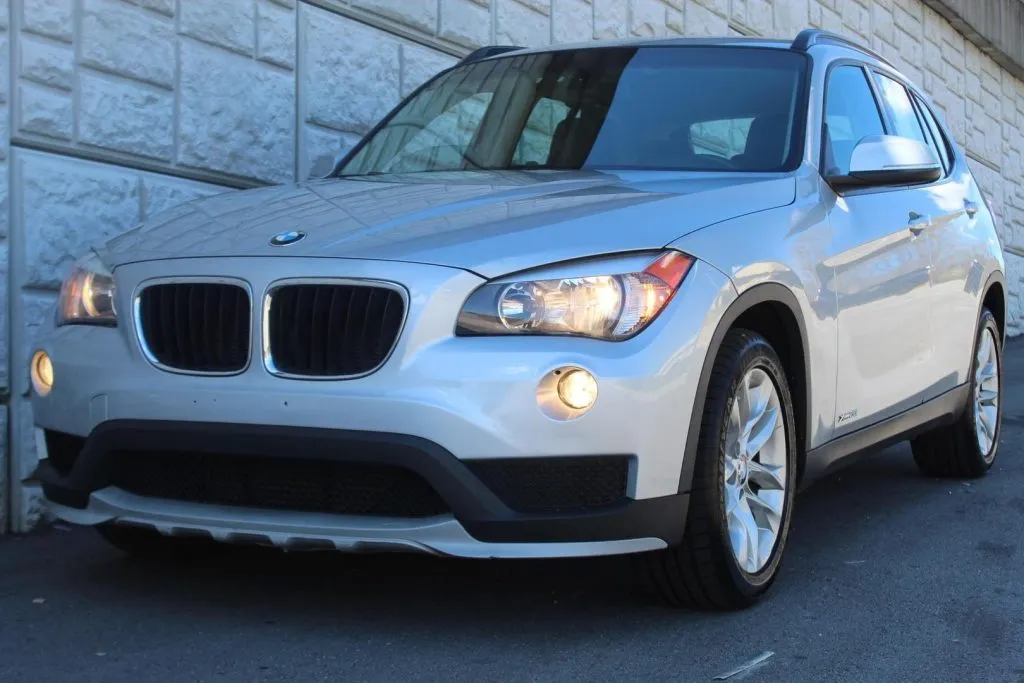
BMW is renowned for its luxury as an automotive brand. Known for its relentless innovation and iconic design, it has a rich heritage dating back to its founding in 1916. BMW has continually pushed the boundaries of what is possible in the automotive industry. Their commitment to excellence is evident in every vehicle they produce, from the sporty dynamics of the 3 Series to the cutting-edge technology of the electric iX.
Whether you are drawn to their powerful engines, advanced safety features, or luxurious interiors that seamlessly blend comfort with style, BMW cars are designed for the discerning driver who values quality and sophistication.
Join us as we explore the unique features and characteristics that make BMW cars a symbol of prestige in the automotive world.
BMW’s History: A Tradition of Excellence
It’s impossible to discuss luxury cars without mentioning BMW. For decades, BMW has been synonymous with high-quality, luxury vehicles that exude craftsmanship and sophisticated design. Founded in 1916, BMW has carved out a legacy rooted in precision engineering and an unwavering commitment to innovation.
BMW’s commitment to excellence starts with its dedication to innovation. Each model is a testament to years of research and development, pushing the boundaries of what’s possible in automotive technology. From the heart-pounding performance of the M Series to the eco-friendly innovations in their i Series, BMW continues to lead the industry in technological advancements. Their vehicles are equipped with cutting-edge features like adaptive cruise control, advanced navigation systems, and state-of-the-art infotainment options, ensuring every drive is both enjoyable and efficient.
Performance is another pillar of BMW’s reputation. The brand is renowned for its driving dynamics, offering a perfect blend of power, agility, and comfort. Whether you’re navigating city streets or cruising down the highway, a BMW delivers a smooth, responsive ride that keeps you connected to the road. The precision of their steering and suspension systems is unmatched, providing drivers with a sense of control and confidence that’s hard to find in other vehicles.
Unveiling BMW Models: Exquisite Craftsmanship and Design
BMW offers an extensive range of vehicles to suit various lifestyles and preferences. Whether looking for a sophisticated sedan, a versatile SUV, a high-performance sports car, or an eco-friendly electric model, BMW has something for everyone.
Sedans
BMW sedans, such as the iconic 3 Series and the luxurious 7 Series, blend elegance with performance. These vehicles are equipped with the latest technology, ensuring a smooth and responsive drive. The interiors are meticulously crafted, offering a premium experience that makes every drive a pleasure. Driving a BMW sedan is more than just transportation; it’s a statement of style and sophistication.
SUVs
For those who crave adventure and functionality, BMW’s SUV lineup, including the X3 and X5, provides ample space, comfort, and off-road capability. These vehicles are perfect for families and individuals who need a reliable yet stylish option for their daily commute or weekend getaways.
Sports Cars
In response to the growing demand for sustainable transportation, BMW’s electric models, such as the i3 and i8, offer cutting-edge technology without compromising performance. These vehicles are designed to reduce environmental impact while providing a dynamic driving experience. The interiors feature eco-friendly materials and innovative designs, making them a great choice for the environmentally conscious driver.
Electric Models
In response to the growing demand for sustainable transportation, BMW’s electric models, such as the i3 and i8, offer cutting-edge technology without compromising performance. These vehicles are designed to reduce environmental impact while providing a dynamic driving experience. The interiors feature eco-friendly materials and innovative designs, making them a great choice for the environmentally conscious driver.
BMW’s Commitment to Sustainability
BMW’s commitment to sustainability is not just a corporate policy; it is a core component of its identity. With a focus on the development of electric vehicles, the company is leading the charge towards greener transportation. Each vehicle in its electric lineup is a testament to this dedication, offering not only high performance but also a reduced carbon footprint. But BMW’s eco-conscious initiatives don’t stop there. Their efficient powertrains ensure that even their traditional combustion engines are among the cleanest and most fuel-efficient on the market.
BMW also shines in its use of recycled materials. By integrating high-quality recycled components into their manufacturing processes, BMW is reducing waste and promoting a circular economy. This aligns with global trends towards sustainability and environmental responsibility, reflecting the growing consumer demand for brands that prioritize the planet. The automotive industry is experiencing a significant shift, and BMW is at the forefront, setting benchmarks for others to follow.
Supporting Global Environmental Goals
BMW’s initiatives are not just confined to its operations; they actively support global environmental goals. By aligning with the United Nations Sustainable Development Goals (SDGs), BMW contributes to broader efforts to combat climate change and promote sustainable development. Through its comprehensive sustainability strategy, it focuses on SDG 12 (Responsible Consumption and Production) and SDG 13 (Climate Action).
BMW educates its customers about sustainable practices and offers incentives for choosing eco-friendly options. BMW’s i Vision Circular concept car, for instance, is an innovative model designed with 100% recyclable materials, showcasing what the future of sustainable automotive design could look like.
Conclusion
BMW cars epitomize the perfect blend of elegance and performance, capturing the imagination of car enthusiasts worldwide. These vehicles have carved a unique niche in the automotive landscape, symbolizing precision engineering and luxury. From their sleek, iconic designs to their state-of-the-art technology, BMW cars consistently deliver a driving experience that is both thrilling and refined. BMW’s timeless appeal lies in its unwavering commitment to excellence, ensuring that each model offers unparalleled driving dynamics and cutting-edge features.
BMW’s unwavering commitment to sustainability makes it a leader in the automotive industry, setting an example for other manufacturers to follow. If you’re inspired by BMW’s eco-conscious efforts and are considering making an eco-friendly choice for your next vehicle, look no further than Olympic Auto Sales.
Experience BMW’s allure for yourself and discover why it remains a beloved choice among discerning drivers. Visit Olympic Auto Sales to find your perfect BMW today.
Best Mercedes Cars for You | Types of Mercedes Car
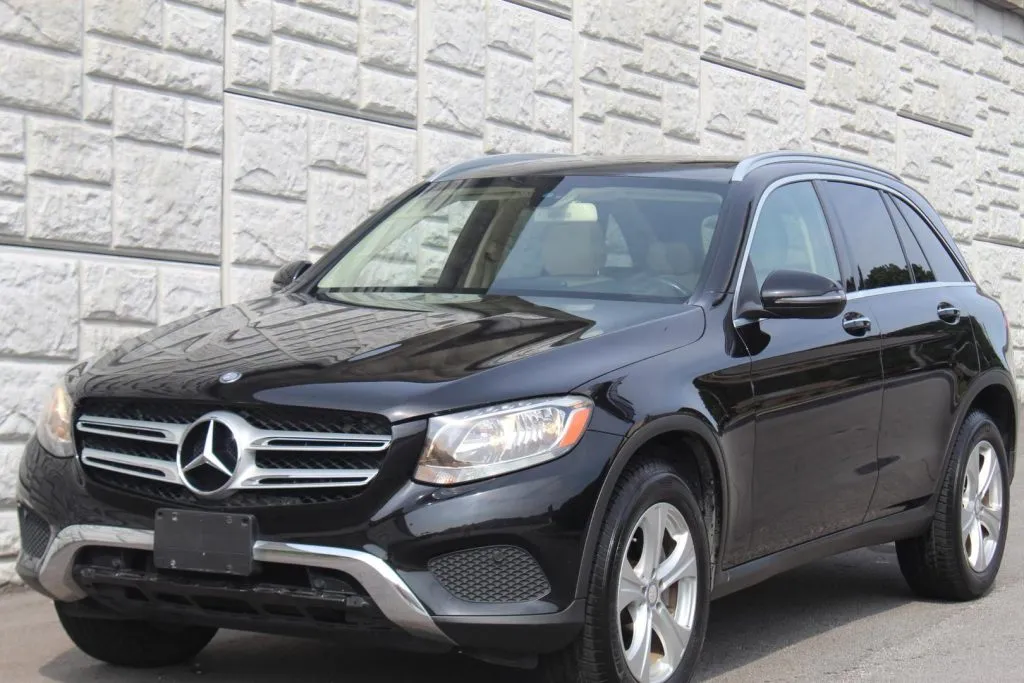
Mercedes-Benz is synonymous with luxury, quality, and innovation in the automotive world. With a rich history of crafting vehicles that combine performance, elegance, and cutting-edge technology, Mercedes has something for everyone.
Whether you’re looking for a stylish sedan, a versatile SUV, or a high-performance sports car, Mercedes-Benz offers a diverse lineup to meet your needs.
Today, we will explore the different types of Mercedes cars, helping you find the perfect fit for your lifestyle and preferences.
- Sedans
Mercedes-Benz sedans are a staple of the brand, known for their blend of luxury and performance. The lineup includes models like the C-Class, E-Class, and S-Class, each offering a unique driving experience.
The C-Class is a great entry point into the Mercedes-Benz family, offering a comfortable ride, stylish design, and advanced technology features. It’s perfect for those who want a luxury car that’s also practical for everyday use.
The E-Class takes things up a notch with a more spacious interior, additional luxury touches, and enhanced driving dynamics. For those seeking the ultimate in luxury and sophistication, the S-Class is the flagship sedan, renowned for its opulent interior, cutting-edge technology, and smooth, powerful performance. It’s a great option for families.
These sedans are equipped with features like leather upholstery, advanced infotainment systems, and safety technologies that ensure a comfortable and secure driving experience. Whether you’re commuting to work or attending a business meeting, a Mercedes-Benz sedan offers the perfect blend of style and functionality.
- SUVs and Crossovers
Mercedes-Benz’s SUV and crossover lineup is designed to offer luxury, space, and versatility. Models like the GLA, GLC, GLE, and GLS cater to a variety of needs and preferences.
The GLA is a compact SUV that’s perfect for urban driving, offering a comfortable ride and a stylish interior. It’s a great choice for those who want the benefits of an SUV without sacrificing maneuverability.
The GLC, a midsize SUV, provides more space and comfort, making it ideal for families or those who need extra cargo room. The GLE and GLS models are larger and more luxurious, with the GLS being the most spacious and capable, offering three rows of seating and a host of advanced features.
These SUVs are equipped with features like all-wheel drive, advanced safety systems, and luxurious interiors that make them perfect for both city driving and long road trips. Whether you’re heading out for a weekend adventure or simply running errands, a Mercedes-Benz SUV offers the perfect blend of luxury and utility.
- Coupes and Convertibles
For those who crave a sportier design and an exhilarating driving experience, Mercedes-Benz offers a range of coupes and convertibles. Models like the CLA Coupe, E-Class Coupe, and SL Roadster are perfect for those who want a stylish and dynamic vehicle.
The CLA Coupe combines sleek design with powerful performance, offering a unique and eye-catching appearance. The E-Class Coupe adds more luxury and comfort with a refined interior and a smooth, powerful engine. The SL Roadster, a true icon, offers open-air driving and high-performance capabilities, making it a dream car for many enthusiasts.
These vehicles are equipped with powerful engines, sporty suspension setups, and luxury features like leather seats and advanced infotainment systems. Whether you’re cruising along the coast or navigating city streets, a Mercedes-Benz coupe or convertible offers an exciting and luxurious driving experience.
- Performance Models: AMG Line
The AMG line represents the pinnacle of Mercedes-Benz’s performance, offering high-performance versions of many models. The AMG C63, AMG GT, and AMG GLE are just a few examples of the incredible vehicles in this lineup.
The AMG C63 is a high-performance sedan that offers a thrilling driving experience with a powerful engine, sporty suspension, and aggressive styling. The AMG GT, a true sports car, offers breathtaking performance and stunning design, making it a standout in any setting. The AMG GLE, a high-performance SUV, combines the versatility of an SUV with the exhilarating performance of an AMG vehicle.
These vehicles are equipped with powerful engines, advanced performance technologies, and unique design elements that set them apart from standard Mercedes-Benz models. If you’re a driving enthusiast who craves speed and excitement, the AMG line is sure to impress.
- Electric and Hybrid Models
Mercedes-Benz is also at the forefront of the electric and hybrid vehicle markets, offering models like the EQC and a range of plug-in hybrids. These vehicles combine the luxury and performance of Mercedes-Benz with eco-friendly technology.
The EQC is an all-electric SUV that offers impressive range, quick acceleration, and a luxurious interior. It’s perfect for those who want a stylish and sustainable vehicle without sacrificing performance. Mercedes-Benz also offers plug-in hybrid versions of many models, providing the benefits of electric driving with the flexibility of a gasoline engine.
These vehicles are equipped with features like fast charging capabilities, advanced infotainment systems, and eco-friendly driving modes. Whether you’re looking to reduce your carbon footprint or simply want a cutting-edge vehicle, Mercedes-Benz’s electric and hybrid models offer an excellent option.
Conclusion
Mercedes-Benz offers a wide range of vehicles to suit every type of driver, from luxury sedans and versatile SUVs to high-performance sports cars and eco-friendly electric models. Each model combines the brand’s signature blend of luxury, performance, and advanced technology, ensuring a superior driving experience.
For those interested in exploring the Mercedes-Benz lineup further, Olympic Auto Sales is a great place to start. They offer a wide selection of new and pre-owned Mercedes-Benz vehicles, along with expert service and support to help you find the perfect car.
Visit their showroom to experience the luxury and innovation of Mercedes-Benz firsthand and discover the perfect Mercedes car for your needs.
Celebrating Our Success – Olympic Auto Sales Wins Dealer of the Year with CarGurus

We are thrilled to announce that Olympic Auto Sales has been honored with the prestigious “Dealer of the Year” award by CarGurus! This achievement marks a significant milestone in our journey and underscores our commitment to excellence in the automotive industry. We couldn’t be prouder to receive this recognition, which reflects the hard work, dedication, and passion of our entire team.
The Journey to Success
Our success at Olympic Auto Sales is rooted in a simple yet powerful philosophy: provide top-quality clean used vehicles and make the car buying process as seamless as possible. From the moment you walk through our doors, we are dedicated to offering an experience that is transparent, efficient, and, most importantly, tailored to your needs.
Quick and Easy Vehicle Financing
One of the key factors contributing to our success is our focus on making vehicle financing quick and easy. We understand that buying a car is a significant financial decision, and we aim to make the process as smooth as possible. Our finance team works diligently to offer competitive interest rates and flexible terms that fit your budget. We’ve streamlined our processes to ensure that our customers spend less time dealing with paperwork and more time enjoying their new vehicles.
Top-Quality Clean Used Vehicles
At Olympic Auto Sales, we take great pride in the quality of our inventory. Every vehicle on our lot has been carefully selected, thoroughly inspected, and meticulously cleaned to ensure that it meets our high standards. We believe that our customers deserve nothing but the best, and our commitment to quality is reflected in every car we sell.
Looking Ahead
Winning the CarGurus Dealer of the Year award is not just a recognition of our past achievements; it’s a motivator for the future. We will continue to strive for excellence, constantly seeking ways to improve our services and exceed our customers’ expectations. Our core principles, “Transparency Wins” and “Experiment & Innovate,” will remain at the heart of everything we do as we continue to lead the way in the used car market.
Thank you to all our loyal customers and dedicated staff who have made this achievement possible. We look forward to serving you for many more years to come.
Visit Olympic Auto Sales today and experience the difference that has made us CarGurus’ Dealer of the Year!
Best Trucks for Sale | Which Truck to Get for Your Needs

The debate of manual vs automatic is heating up again as 2026 approaches. For driving enthusiasts and everyday buyers alike, the availability of a manual car or stick shift option affects purchase decisions, resale value, and the sheer joy of driving. This article explores whether manual is making a comeback in 2026, the future of manual cars in the U.S., which models still offer a manual transmission, and what buyers should consider when choosing between manual and automatic cars.
Is the manual transmission seeing renewed interest in 2026?
Across the automotive world, manual transmission sales have seen a modest resurgence as car enthusiasts and manual buyers seek a more engaging driving experience. While automatic sales and dual-clutch automatics dominate new cars and automatic cars remain the mainstream choice, several models in the U.S. continue to offer manual options. Manual cars are seeing renewed popularity among drivers who value greater control, a more engaging driving experience, and potentially lower long-term maintenance expenses.
2026 may not mark a full return to stick shift dominance, but the significant comeback for manual cars lies in niche markets—sports car buyers, compact enthusiast cars, and certain pickup or performance trims. Manual transmission isn’t for everyone, especially as electric cars and continuously variable transmissions gain share, but the manual option remains a sought-after transmission option for many driving enthusiasts.
Which sports car manufacturers are expected to continue offering manual transmissions in 2026?
Several sports car makers like Porsche, BMW, Mazda, Toyota, and Nissan have publicly supported manual transmissions in enthusiast trims. Porsche continues to offer a manual with certain 911 and Porsche 718 models for buyers who want a traditional manual gearbox experience. BMW M models such as the M2 and M4 have also historically offered manual versions or special trims to satisfy manual buyers and maintain performance heritage.
Mazda continues to champion the manual car with the Miata and Mazda’s lightweight sports offerings, while Toyota has kept manual options alive in the GR Supra lineup and GR Corolla. Nissan Z and the GR86 from Subaru/Toyota collaborations also appeal to stick shift drivers. These brands acknowledge that offering a manual transmission retains core car enthusiasts and fuels excitement around new manual sports cars in 2026.
Are manual buyers influencing manufacturers to offer manual options?
Yes, manual buyers—often vocal car enthusiasts—are influencing automakers to preserve manual transmission choices. Manufacturers track manual transmission sales and enthusiast engagement; when enough buyers favor stick shifts over automatics in performance trims, brands respond by offering a manual available in select models. Manual buyers typically include those seeking a manual driving experience, drivers who enjoy driving a manual car for weekends, and collectors aiming to own a new manual car before manuals become rarer.
This feedback loop means models with strong enthusiast followings—such as the Honda Civic Type R, Toyota GR Corolla, and Porsche 911—may continue to offer manual options. However, the number of models offering a manual transmission remains limited relative to automatic sales, reflecting a balance between enthusiast demand and broader market trends toward automatic cars and electric vehicles.
Which new cars in 2026 will likely offer a manual transmission option?
Several models expected to have a manual version or continue a manual tradition include: Mazda Miata (manual gearbox, lightweight driving), Toyota GR Supra and Toyota GR Corolla (manual and stick shift variants on specific trims), Nissan Z (manual available), Subaru BRZ/GR86 (manual sports car focus), Porsche 911 and Porsche 718 (manual variants for purists), BMW M2 and M4 (manual option or special editions), Honda Civic Type R (manual-focused), Acura Integra (manual offered in sport trims), Chevrolet Camaro/Muscle cars (manual versions), and Ford Mustang (manual options on many trim levels).
These models typically offer 6-speed manual gearboxes or even 6-speed manuals with rev-matching and driver aids. Buyers seeking a new manual car in 2026 should check manufacturer configurations as availability can vary by trim and region. Car enthusiasts should also consider dual-clutch automatic offerings where performance-oriented drivers sometimes prefer dual-clutch automatic tech for faster shifts, though many still favor manual driving enjoyment.
What features do manual sports cars typically offer compared to automatic sports cars?
Manual sports cars often include features geared toward driver engagement: short-throw shifters, rev-matching, lightweight flywheels, and tuned clutches for spirited driving. Examples across models include: Porsche 911 manual with refined gear engagement and driver aids, Mazda Miata with a simple, responsive 6-speed manual and light chassis, Toyota GR Corolla with a performance-oriented manual gearbox, and Nissan Z offering a manual with a robust clutch and sport-tuned shift linkage.
Automatic sports cars, including those with dual-clutch automatic systems, emphasize quick shift times, consistent lap times, and convenience. Dual-clutch automatics can outperform many manual gearboxes in downshifts and acceleration but often sacrifice the tactile involvement that manual drivers cherish. For many driving enthusiasts, the manual transmission remains a defining feature of the sports car experience.
How does owning a manual car affect used car buyers and used car dealers?
For used car buyers, owning a manual car can be a rewarding choice. Manuals often have lower purchase prices in the used market because many buyers opt for automatics, but stick shift cars can be increasingly desirable to enthusiasts and collectors, pushing prices up for well-kept manual versions. Used car dealerships and used car dealers in regions with active enthusiast communities may notice higher demand and better resale values for manual transmission cars.
When shopping for used cars for sale, buyers should inspect clutch condition, listen for gear whine, and test-drive to ensure smooth shifting. Used car dealerships and dealers that cater to enthusiasts might carry manual versions of models like the Honda Civic, Subaru WRX/BRZ, Mazda Miata, Toyota Tacoma, and various sports cars. Manual transmission sales in the used market remain a vital segment for buyers seeking driving engagement.
Are manual transmissions common in economy cars and commuter vehicles in 2026?
In 2026, manual transmissions are less common in economy cars and commuter vehicles, as buyers favor automatic transmissions and continuously variable transmissions for convenience and fuel efficiency. However, a handful of economy models and compact cars still offer a 6-speed manual or manual option, particularly where manufacturers aim to keep entry-level variants affordable or appeal to younger drivers learning to drive a stick shift.
Models like the Honda Civic (select trims), Hyundai offerings, and some Toyota trims occasionally offer manual gearboxes. For buyers prioritizing fuel economy and low maintenance, automatics and CVTs often deliver better real-world MPG and smoother urban driving. Still, manual driving remains a preference for certain drivers seeking connection over commuting ease.
Which trucks and SUVs might keep manual options, like the Toyota Tacoma?
Manual options in trucks and SUVs are dwindling but not extinct. The Toyota Tacoma has historically offered stick shift variants in certain trims and remains a notable example of a manual gearbox in a practical pickup. Some compact SUVs and off-road focused trims may retain a manual transmission to appeal to buyers who want direct control in off-road situations and reliability in remote areas.
Manufacturers may continue to offer a manual in specialty trims of trucks and SUVs for buyers who demand a rugged, straightforward drivetrain. However, most buyers in the U.S. today prioritize automatics for daily convenience, towing, and highway driving, so manual offerings in this segment will remain limited to niche models and trims.
How do electric cars affect the future of manual cars?
The rise of electric cars profoundly impacts the future of manual cars because EVs do not use multi-gear manual transmissions; they use single-speed gear reduction systems. As electric car adoption accelerates, especially in new cars and future models, the opportunity to drive a manual car becomes rarer in the long term. Nevertheless, ICE cars and new manual car offerings remain relevant for years, and manufacturers may keep manual versions for performance and enthusiast models.
Thus, the future of manual cars is tied to buyer demand, regulatory landscapes, and how long internal combustion engine vehicles remain mainstream. Enthusiast cars, limited-production sports cars, and certain muscle cars may preserve manual transmissions longer than mass-market economy cars, maintaining a niche but passionate market.
Which specific models and their manual features should buyers consider in 2026?
Here is a list of notable manual transmission models and key features to consider:
- Mazda MX-5 Miata: Lightweight design, precise 6-speed manual transmission, balanced handling, and a classic open-top driving experience.
- Porsche 911: Manual available on select trims, refined gear engagement, iconic driving dynamics.
- Porsche 718: Manual option with sharp handling and tactile shift feel.
- Toyota GR Supra / GR Supra: Manual on certain trims or related GR variants, performance-oriented gearbox.
- Nissan Z: Manual available, strong torque, sport-tuned clutch.
- Toyota GR Corolla / GR Corolla: Rally-inspired setup, manual gearbox for enthusiasts.
- Subaru BRZ / Toyota GR86: Manual standard on many trims, light chassis, driver-focused.
- BMW M2 / M4: Manual available in special editions or selected trims, performance pedigree.
- Honda Civic Type R: Manual-focused performance, short-throw shifter, rev-match.
- Acura Integra: Manual option on sport trims, fun commuter with performance edge.
- Chevrolet Camaro / Ford Mustang: Manual offered across many trims, classic muscle feel.
- Toyota Tacoma: Manual available in off-road or base trims, durable gearbox for rugged use.
When considering these models, look for features like 6-speed manual gearboxes, rev-matching, limited-slip differentials, lightweight flywheels, and clutch feel—each contributing to the manual driving experience.
Should buyers opt for manual or automatic when shopping for used cars in 2026?
Buyers should weigh priorities: if driving engagement, control, and potential collector appeal matter most, choosing a manual version of an enthusiast model makes sense. If daily convenience, traffic ease, and broader aftermarket support are priorities, automatics or dual-clutch automatics may be preferable. For used car buyers, manuals can offer value and lower initial cost, with careful inspection recommended for clutch wear and transmission health.
Used car dealerships in competitive markets may stock manuals for enthusiasts, and used car dealers who understand sport models can help locate stick shift cars. Ultimately, whether to buy a manual depends on lifestyle, driving needs, and how much the joy of driving a manual car factors into your decision.
Conclusion: Manual vs Automatic — Is Manual Making a Comeback in 2026?
Manual transmission cars are experiencing a targeted resurgence in 2026, primarily within enthusiast circles, sports cars, and select performance trims. While automatic sales and electric cars continue to grow, several manufacturers—Toyota, Porsche, Mazda, BMW, Subaru, Nissan, Honda, and others—still offer manual versions, preserving the stick shift legacy. For buyers researching used cars and the future of manual cars, manuals remain a viable and emotionally rewarding option in the market.
If you’re shopping in the used market, consider visiting Olympic Auto Sales, a Used Car Dealership in Decatur, Georgia, where used car dealers can help you find used cars for sale, including stick shift cars and manual versions of enthusiast models. Whether you prefer a manual transmission or automatic transmission, informed research will help you find the right car for your driving style and needs.
FAQs: Manual Transmission Making a Comeback in 2026
- Is the manual transmission making a comeback in 2026?
Yes, but only in a limited way. Manuals are seeing renewed interest among driving enthusiasts, but automatics and EVs still dominate the market. - Which car brands still offer manual transmission options in 2026?
Brands like Toyota, Mazda, Porsche, BMW, Subaru, Nissan, and Honda continue to offer manuals.
These are mostly found in sports cars and performance-focused trims. - Why are manual transmissions still being offered?
Automakers continue to offer manual transmissions to satisfy driving enthusiasts who value greater control and a more connected driving experience. They help maintain interest in sports and driver-focused vehicles. - How are electric cars affecting manual transmissions?
Electric carsdon’t use traditional multi-gear manual gearboxes. As EV adoption increases, manuals are becoming less common overall. - Should buyers choose manual or automatic in 2026?
Manuals are best for drivers who enjoy control and engagement while driving. Automatics are better for comfort, traffic use, and everyday convenience.
Bad Credit? Discover the Perks of Buy Here Pay Here Car Financing

Ever wandered onto a car lot, worried about your credit score, and walked out with the keys to a new ride? That’s the magic of Buy Here, Pay Here (BHPH) dealerships—a beacon for those who’ve had doors slammed due to their bad credit score. Let’s dive into how BHPH can turn your car-buying journey from a daydream into reality and consider whether it’s actually the right choice for you.
Understanding Buy Here, Pay Here (BHPH)
Buy Here, Pay Here (BHPH) isn’t your typical auto financing. Here, the dealer plays a lender, offering loans directly. Ideal for those with credit issues, BHPH skips traditional banks and credit unions. Instead, it provides a simple, albeit sometimes pricier, path to car ownership right from the lot where you pick out your vehicle—simplifying the finance process in an all-in-one shopping experience.
How Buy Here, Pay Here (BHPH) Works
Navigating the Buy Here, Pay Here (BHPH) process might seem complex at first, but it’s quite straightforward once you understand the steps involved. Here are some key steps you must know:
Step 1: Selecting Your Vehicle
First things first—choose your desired car. At a Buy Here, Pay Here (BHPH) dealership, you’ll start by browsing the available vehicle inventory. Whether you’re looking for a sedan, SUV, or something sporty, the selection varies, so take your time. This step is crucial as it determines the rest of your financing details, including down payment and loan terms, based on the car’s value and your budget.
Step 2: Completing the Credit Application
Once you’ve picked out a car, the next step in the Buy Here, Pay Here (BHPH) process is filling out a credit application. This form will require basic details regarding your income, employment, and residence to assess your financial situation. Don’t worry too much about your credit score; BHPH dealerships are more concerned with your ability to pay going forward than your credit history.
Step 3: Discussing Financing Terms
After your application, you’ll discuss the financing terms with the dealer. This includes the interest rate, loan duration, and monthly payment amounts. Each Buy Here Pay Here (BHPH) dealership sets its own terms based on the vehicle and your financial situation. This step ensures that the payment plan is tailored to fit within your budget, making it manageable alongside your other responsibilities.
Step 4: Making a Down Payment
Next up is the down payment. The amount can vary widely based on the dealership’s policies and the price of the vehicle you’ve chosen. Generally, a higher down payment can reduce your monthly payments and possibly even your interest rate. It’s a critical step that secures your commitment to the purchase and significantly reduces the dealership’s financial risk, ensuring a smoother transaction.
Step 5: Finalizing the Sale and Taking Delivery
Finally, once all the financial details are ironed out and the paperwork is signed, it’s time to take delivery of your new car. You’ll receive the keys and a payment schedule. Most BHPH dealerships also set up automatic payments to simplify the process for you, ensuring that payments are timely and effectively reducing the risk of default while also helping maintain a good credit standing.
Step 6: Setting Up Automatic Payments
Many Buy Here, Pay Here (BHPH) dealerships encourage setting up automatic payments. This is usually the final step in the vehicle purchasing process. It helps both you and the dealership manage the loan effectively. By automating the payment process, you minimize the risk of late payments, which can affect your agreement and potentially lead to penalties or even repossession of the vehicle.
Benefits of Buy Here, Pay Here (BHPH)
BHPH shines for individuals facing credit challenges. They provide an opportunity for those who find conventional financing out of reach due to low credit scores. By offering more lenient credit evaluations and flexible payment plans—including extended terms and deferred payments—BHPH dealers can tailor options to fit varied financial situations, making vehicle ownership accessible.
Possible Disadvantages of Buy Here, Pay Here (BHPH)
While BHPH can be a convenient option, it often comes at a higher cost. The interest rates and fees can be substantial compared to standard loans, reflecting the higher risk of lending to individuals with poor credit. Moreover, the selection of vehicles might be limited to older or high-mileage models, and the cost of the car might exceed its market value due to the added finance charges.
Who Should Consider Buy Here, Pay Here?
BHPH is particularly suited for those with poor credit scores who need a vehicle quickly but are ineligible for traditional financing. This includes individuals with past bankruptcies, foreclosures, or no credit history, such as young people or recent immigrants. If immediate vehicle needs arise, like a sudden car failure, BHPH dealerships can provide a rapid and accommodating financing solution.
Tips for Choosing a Reputable Buy Here, Pay Here Dealership
Selecting a trustworthy BHPH dealership is crucial. Here are some tips to find the right dealer:
Tip 1: Check Dealer Reviews: Before visiting a dealership, do your homework. Online reviews can provide real insights into others’ experiences. Look for patterns in feedback—consistent positive client testimonials typically indicate reliable service, while repeated issues might be a red flag.
Tip 2: Verify licensing and accreditation: Ensure the BHPH dealership is licensed to operate and has any necessary accreditations. This accessibility confirms that they adhere to industry standards and legal requirements, providing an additional layer of trust and security for your transaction.
Tip 3: Inquire About Loan Terms and Conditions: When discussing financing, ask some specific questions about interest rates, loan terms, and any hidden fees. A transparent dealership will be upfront and clear about all costs involved, helping you avoid unexpected financial burdens later on.
Tip 4: Examine the Vehicle Selection: Assess the quality and variety of cars available. A reputable dealership will offer well-maintained vehicles and may provide a vehicle history report. Avoid places with a limited or poorly maintained selection, as this could indicate lower business standards.
Tip 5: Ask About After-Sale Services: Good dealerships often provide after-sale support, such as 4-year full coverage warranties, service packages, and flexible payment options. This demonstrates the BHPH dealer’s commitment to customer satisfaction and vehicle reliability beyond the initial sale.
Tip 6: Evaluate Customer Service: Visit the dealership in person to gauge the quality of customer service. Notice how the staff treats you and other customers. Are they patient, informative, and helpful? Good customer service is a strong indicator of a dealership’s reliability and professionalism.
Tip 7: Consider the Financing Approval Process: Observe how the dealership handles the approval process. A reputable dealer should conduct a thorough assessment that goes beyond just approving anyone. This shows they care about ensuring customers can realistically manage their payments.
In conclusion, Buy Here Pay, Here financing doesn’t have to be daunting. With the right knowledge and a reputable dealer, you can drive off the lot in a car that not only fits your needs but also aligns with your financial situation. At Olympic Auto Sales in Decatur, we take pride in offering quality pre-owned vehicles with transparent financing options and up to 4-year full coverage warranties. Visit us today and let us help you find the perfect car that feels like it was just meant for you.