


Tips for Choosing the Right Used Car for Sale at Your Dealership

Buying a used car can be as exciting as hunting for hidden gems. There are great deals out there, and with the right information, you can pick a gem that fits both your budget and lifestyle. Whether you’re a first-time buyer or looking to upgrade without breaking the bank, choosing the right used car for sale requires insight and a bit of strategy. Here are some tips to ensure you drive off the lot with a solid purchase from a dealership like Olympic Auto Sales, your go-to for certified luxury at an affordable price.
Set Your Budget
Before you even start looking at cars, establish a budget. This isn’t just about the sticker price. Factor in ongoing costs like insurance, regular maintenance, and the expected fuel expenses. This foresight helps you avoid financial discomfort down the line. Aim for a purchase that feels comfortable today and manageable tomorrow. Remember, a dream car that strains your wallet becomes less dreamy.
Check the Vehicle History
Dig into the car’s past before you commit to its future. A vehicle history report uncovers any skeletons in the trunk—such as prior accidents or issues with the odometer. These reports are invaluable. They can protect you from expensive surprises and give you peace of mind. Always check this, no matter how shiny or pristine the car appears on the lot.
Assess Your Needs
Think about what you need from your car. Do you need a lot of seating for a big family? Do you want something economical on fuel for your long-distance commutes? Or are you looking for a tough vehicle to handle rough terrain? Matching the car to your lifestyle ensures it’ll be a good fit for the long haul. It’s about using the right tool to accomplish the job.
Test Drive to Test Compatibility
Consider a test drive as your initial opportunity to familiarize yourself with your potential car. Observe the way it handles, how responsive the brakes are, and the comfort and visibility it provides. You wouldn’t commit to a relationship without knowing you’re a good match, right? The same holds true here. Trust your senses; do you feel at ease behind the wheel?
Inspect the Car Thoroughly
Take a close look—even if you’re not an expert. Check for signs of wear like leaks, rust, or uneven tire wear. Turn on every switch, test every button, and listen for strange noises. These could be clear indicators of deeper issues. If possible, have a trusted mechanic inspect it too. Better safe than sorry when it comes to buying a used car.
Consider the Mileage
Low mileage might seem appealing, but it’s not the sole indicator of a car’s condition. A well-maintained, high-mileage vehicle is frequently a better investment than a low-mileage car that lacks proper care. Understand the history behind the numbers. Sometimes, a well-loved older car is the smarter purchase.
Look for Certified Pre-Owned
Certified Pre-Owned (CPO) vehicles offer the best of both worlds—the benefits of a new car warranty with the price advantage of a used car. These cars undergo rigorous inspections and come with manufacturer warranties. They’re often newer models with less mileage. If you want a bit more assurance with your purchase, a CPO might be just the ticket.
Review Safety Features
Safety is non-negotiable. Check that the car has essential modern safety features like airbags, ABS, and stability control. These features are vital for your safety and can significantly affect insurance costs. Don’t compromise on this front; what you save on purchases might cost you in safety.
Check for Recalls
Stay informed about any recalls that might affect the vehicle you’re considering. Manufacturers issue recalls for safety issues that need to be addressed. Knowing these can prevent future headaches and ensure the car is up to current standards. It’s a quick check that could make a big difference in safety and performance.
Ask About the Warranty
Does the car come with a warranty? If it’s still under the original manufacturer’s warranty, what does it cover? Some used vehicles allow you to opt for an extended warranty. Understanding the warranty coverage can save you from unexpected repair costs later.
Understand the Dealer’s Reputation
Where you shop holds as much weight as what you choose to buy. Research the dealership’s reputation for honesty and quality. Read customer reviews and ask around in your community. A reputable dealer values customer satisfaction and will likely be transparent about the car’s condition and history.
Avoid High-Interest Financing
Secure financing with the best possible interest rate. High rates can significantly increase the overall cost of the car. Shop around for financing options before you make your purchase, and don’t be afraid to negotiate the terms. A good financing deal can make or break your satisfaction with the overall purchase.
Check the Tires
Don’t overlook the tires. They can be expensive to replace and can tell you a lot about how the car was maintained. Check for even wear and sufficient tread. Good tires ensure better safety and performance. If they’re worn, consider negotiating for a replacement as part of the deal.
Investigate Insurance Costs
Before finalizing your decision, make sure to get an insurance quote for the car. Insurance costs can vary widely depending on the model and the driver’s history. Ensure the ongoing cost of insuring the vehicle fits your budget. Sometimes, what you save in purchase price could end up costing you in annual insurance premiums.
Look for Signs of a Quick Flip
Some cars are bought cheaply, spruced up quickly, and sold at auction. These quick flips might look appealing but often hide deeper issues. Learn to spot signs of quick fixes like cheap repaint jobs or mismatched parts. A good deal today shouldn’t mean a headache tomorrow.
Consider Resale Value
Think about the future. If you plan to resell the car, choose a model known for holding its value. Some cars depreciate faster than others. Opting for a car with a solid track record for resale can make financial sense in the long run.
Be Ready to Walk Away
Finally, don’t feel pressured to buy. If the deal doesn’t feel right, or if you’re not completely comfortable, it’s okay to walk away. There are plenty of used cars for sale, and the right one is out there waiting for you.
In conclusion, finding the perfect used car for sale involves a mix of practicality and intuition. From setting your budget and asking about the warranty to walking away when necessary, each step in the process is crucial in making an informed decision. Remember, it’s not just about finding a car; it’s about finding your car. So, when you’re ready to make a choice, visit Olympic Auto Sales. We offer certified used luxury cars with quality and service you can trust, right here in Decatur and Atlanta.
Olympic Auto Sales Wins Best of Georgia 2024 Award
We are thrilled to announce that Olympic Auto Sales has been named one of the Best of Georgia Journal award recipients for 2024! This incredible recognition is a testament to the trust of our customers, the dedication of our team, and the strong values that guide everything we do.



A Milestone Worth Celebrating
Winning this prestigious award is more than just a trophy—it’s a reflection of the hard work and passion that drive us every day. At Olympic Auto Sales, our mission has always been to provide our customers with exceptional service, high-quality vehicles, and financing solutions that meet their needs. This award validates our commitment to excellence and inspires us to keep raising the bar.
Thank You to Our Amazing Customers
To our customers, this award belongs to you as much as it does to us. Your trust, loyalty, and support have been the foundation of our success. Whether you purchased a car, referred a friend, or left us a kind review, you’ve played an important role in helping us achieve this milestone.
We are proud to serve a community that values honesty, transparency, and care—principles we hold dear at Olympic Auto Sales. Thank you for choosing us as your trusted dealership and for letting us be part of your journey.
A Shoutout to Our Incredible Team
To our staff, this recognition is a direct result of your hard work and dedication. From the sales floor to the service bays, from the titling office to the F&I department, every department plays a crucial role in creating an experience that customers remember and value.
It’s your teamwork, attention to detail, and commitment to our core principles—like “Transparency Wins,” “Teamwork Drives Dreams,” and “Continuous Improvement”—that set us apart. Thank you for bringing your best to work every day and for making Olympic Auto Sales a name that stands out in Georgia.
Looking Ahead
This award is not just a celebration of our past achievements but also a challenge to continue growing and innovating. At Olympic Auto Sales, we’re committed to maintaining the trust and excellence that earned us this honor. As we look to the future, we will keep focusing on what matters most: our customers, our team, and our community.
Join Us in the Celebration!
We invite you to share in this moment of pride with us! Stop by the dealership, explore our inventory, or simply say hello. We’re excited to continue serving you and showing why Olympic Auto Sales is a Best of Georgia winner.
Thank you for being part of our journey. Here’s to more milestones, more success, and more smiles ahead!
Essential Car Financing Tips for Securing the Best Deal
Paying for a car upfront can feel like a huge financial burden. But what if you could drive off the lot without emptying your savings? Car financing makes this possible, allowing you to own a vehicle without paying the total price upfront.

Whether purchasing your first car or upgrading your current ride, understanding the ins and outs of car financing can save you money and ensure you make a wise financial decision.
What is Car Financing?
Car financing is the process of borrowing money to purchase a vehicle. You take out a loan to cover the car’s cost, then repay it over time, usually in monthly installments.
Lenders may include banks, credit unions, or even the dealership. In return for the loan, you agree to repay the amount with interest over the agreed term.
According to a 2024 report by the Federal Reserve, nearly 85% of all new car purchases in the U.S. are financed through loans or leases.
Why Consider Financing Your Car?
Paying the full price upfront allows you to skip financing and own the car outright from day one. However, financing offers an ideal way for most people to buy a car without stretching their budget. Here are some reasons why financing might be a wise choice for you:
- Spreading Out Payments: Financing helps you avoid a large upfront payment by spreading the cost of the car over time. Rather than paying upfront, you make monthly payments that fit comfortably within your budget.
- More Options: With financing, you’re not limited to budget cars or older models. Explore the possibility of purchasing a top-tier car that seemed impossible before.
- Building Your Credit: Paying off your car loan on time can positively impact your credit score, helping you secure better terms for future loans, such as mortgages or business financing.
- Special Offers and Deals: Many dealerships offer attractive financing deals, especially for those with good credit. You may find promotional interest rates or low-down payment options that make financing even more appealing.
How Does Car Financing Work?
Car financing is straightforward, but it’s essential to understand the various components involved. Below is a summary of what you’re likely to encounter:
- Interest Rate: This is the percentage charged on the loan amount, and it can vary based on factors like your credit score and loan term. If you have a high credit score, you may sometimes qualify for low or even 0% interest rates.
- Loan Term: The term refers to the length of time you have to repay the loan, usually ranging from 36 to 72 months. The shorter your loan term, the higher the monthly payments, but with less interest.
- Down Payment: This is an initial payment made at the time of purchase to reduce the vehicle’s cost. It reduces the amount you need to finance and can lower both your monthly payments and the total interest paid over the life of the loan.
- Monthly Payments: These are your regular payments over the loan term. Your monthly payment amount depends on the loan size, interest rate, and duration.
Key Considerations Before You Commit to Financing
Before jumping into financing, it’s essential to be aware of a few key factors:
- Know Your Budget: While financing makes car ownership more accessible, it’s still important not to overextend yourself. Make sure that the monthly payments are manageable within your budget to prevent any financial stress in the future.
- Check Your Credit Score: Your credit score significantly impacts the financing terms you’ll receive. A better credit score can result in lower interest rates, helping you save money over time. If your score isn’t ideal, it may be worth taking some time to improve it before applying for a loan.
- Compare Deals: Always shop around for the best deal. Comparing loan terms and interest rates is key since lenders vary widely. Remember that a deal with a low monthly payment might cost you more in the long run if the loan term is extended.
- Understand the Total Cost: While focusing on the monthly payment is necessary, consider the total cost of the loan. While a longer loan term with smaller monthly payments may seem appealing, it could lead to higher interest costs in the long run.
Dealer Financing vs. Bank Financing: Which is Better?
You might question if dealership financing or a bank/credit union is the better choice. Both options have pros and cons.
- Dealer Financing: Often quick and convenient, dealership financing can sometimes offer low or even 0% interest rates, especially for those with good credit. However, be cautious of hidden fees or higher long-term rates. Always read the fine print.
- Bank or Credit Union Financing: Banks and credit unions typically offer competitive rates and may provide better terms, especially if you’re a member. The process may take longer, but it could be worth it for a better deal.
Common Car Financing Mistakes to Avoid
When financing a car, getting caught up in the excitement and making decisions that could cost you in the long run is accessible. Here are some common mistakes to avoid:
- Ignoring the Total Loan Cost: Focusing solely on monthly payments can lead to longer loan terms, which means more interest over time. Always take the total loan cost into account.
- Not Considering Your Credit: Your credit score plays a significant role in the interest rate you’ll receive. Ensure you know your score and take steps to improve it if necessary.
- Overlooking Extra Fees: Some financing deals come with hidden fees or high insurance costs. Carefully read the fine print to avoid any surprise charges.
By being aware of these mistakes, you can ensure that your financing decision benefits you both now and in the future.
Final Thoughts: Financing Your Car with Confidence
Car financing is a great way to make owning your dream car a reality. Whether purchasing new or used, it lets you get the desired vehicle without draining your savings. Just be sure to research thoroughly, set a budget, and compare financing options to find the best deal.
Why Choose Olympic Auto Sales?
At Olympic Auto Sales, we prioritize making your car-buying experience seamless and hassle-free. Our dedicated team provides complete transparency with thorough vehicle inspections and the entire history of every car we sell. Whether you’re after a reliable sedan or an adventurous SUV, we offer various options to suit any lifestyle and budget.
Stop by today and drive away confident that you’ve made the best choice with Olympic Auto Sales. Let us assist you in finding the ideal vehicle and securing the best financing option for your needs.
BMW vs Mercedes-Benz: Which Luxury Brand Offers More for Used Car Buyers?

BMW and Mercedes-Benz are household names when it comes to luxury cars. Both these cars are coveted for their looks and prestige. But if you’re considering a used car, which brand gives you the most value?
Choosing between the two German-brand cars can be challenging, especially considering so many factors like reliability, cost of ownership, and features. In this article, we’ll highlight features of BMW and Mercedes-Benz cars to help you decide which luxury brand is the right fit for your needs and budget.
BMW vs. Mercedes-Benz: A Legacy of Excellence
BMW and Mercedes-Benz have earned their places as giants in the automotive world, crafting vehicles that blend performance, luxury, and prestige. Their journeys began over a century ago, with BMW emerging from the skies as an aircraft engine manufacturer and Mercedes-Benz pioneering innovations in the early days of motorcars.
Today, these German powerhouses command respect, consistently setting benchmarks for engineering, design, and technological advancement. Their dominance extends beyond the new car market, captivating used car buyers with a promise of enduring quality and a taste of the good life.
Yet, despite their shared commitment to excellence, the two cars offer distinct value. BMW is renowned for its driver-centric approach and projects a sportier image. On the other hand, Mercedes-Benz has an aura of refined elegance and sophisticated comfort.
Understanding the difference between the two is crucial for discerning used car buyers seeking the perfect luxury vehicle to match their individual needs and preferences.
Performance and Driving Experience
BMW, famously proclaiming itself the “Ultimate Driving Machine,” has built its reputation on delivering exhilarating performance. The BMW experience is defined by agile handling, efficient engines, and an emphasis on driver interaction. This commitment to dynamism resonates through their lineup, from the sporty sedans of the 3 Series to the high-performance M models.
Behind the wheel of a BMW, the road becomes a playground, encouraging spirited driving and a connection between driver and machine that few brands can replicate.
In contrast, Mercedes-Benz takes a slightly different approach, combining luxury and comfort to create a driving experience that is both refined and effortless. Powerful engines deliver smooth acceleration, while advanced suspension systems gracefully absorb road imperfections. Whether cruising on the highway or navigating city streets, a Mercedes-Benz prioritizes a serene and luxurious ride.
The key difference between the two cars lies in the emphasis. BMWs are tuned for responsiveness and feedback, providing a driving experience that excites the senses. In contrast, Mercedes-Benz prioritizes a comfortable and smooth ride.
Reliability and Maintenance Costs
Reliability is crucial for any used car buyer, especially in the luxury segment, where repairs can be particularly expensive. BMWs, despite their reputation for performance, have faced scrutiny regarding long-term reliability. While newer models have shown improvement, older BMWs, particularly those with high mileage or complex technology, may present a higher risk of mechanical issues. Diligent maintenance and pre-purchase inspections are essential to mitigate potential problems.
Mercedes-Benz, in contrast, has a stronger reputation for durability and dependability. Their vehicles are often engineered for longevity, with robust components designed to withstand the test of time. However, this doesn’t imply immunity from issues. As with any complex machine, age and mileage can contribute to wear and tear, requiring attention and maintenance to ensure continued performance.
When it comes to maintenance expenses, both brands occupy the higher end of the spectrum. Premium parts, specialized labor, and complex systems contribute to increased costs compared to mainstream brands. However, Mercedes-Benz often edges out BMW in terms of overall maintenance expenses. Factors like longer service intervals and potentially lower parts costs can contribute to this difference, though individual model variations and driving conditions can influence overall expenses.
Resale Value and Depreciation
Luxury cars, by their nature, tend to depreciate faster than their mainstream counterparts. However, both BMW and Mercedes-Benz demonstrate a respectable ability to hold their value over time, particularly compared to other luxury marques. Strong brand reputation, desirable features, and overall quality contribute to their relatively strong resale values.
Several factors influence depreciation rates. Technological advancements and new model releases can impact the desirability of older vehicles. Generally, models known for their reliability, performance, and timeless design tend to fare better in the used car market.
Within the BMW lineup, models like the 3 Series and 5 Series sedans, as well as the X5 SUV, often retain their value well. For Mercedes-Benz, the C-Class and E-Class sedans, along with the iconic G-Wagon, demonstrate strong resale performance. However, it’s crucial to research specific model years and trims to understand their depreciation trends and make informed decisions.
Which Brand is Right for You?
Choosing between BMW and Mercedes-Benz ultimately comes down to individual preferences and priorities. BMW caters to those seeking an engaging driving experience with a focus on performance and sporty handling. Conversely, Mercedes-Benz prioritizes comfort and luxury, providing a sophisticated and elegant driving experience.
You must consider your needs and lifestyle when selecting between the two cars. Are you willing to potentially invest more in maintenance for the sake of driving pleasure? How important are cutting-edge technology and user-friendly features? Honestly, assessing your priorities will guide you toward the brand that best suits your individual requirements.
Finally, remember that both brands offer a wide range of models, each with its own character and strengths. Thorough research, test drives, and careful consideration of your budget and needs are essential steps in making an informed decision. Whether you choose the dynamism of a BMW or the refined luxury of a Mercedes-Benz, you’re investing in a legacy of automotive excellence.
Contact Olympic Auto Sales for quality pre-owned cars, trucks, and SUVs in Decatur, GA.
First Car? Here’s Why Used Is the Smartest Choice

Purchasing your first car is an exciting milestone but can also be overwhelming, especially with the rising costs of new vehicles. With so many options available, first-time buyers often face tough decisions about budget, financing, and long-term value. While the allure of a brand-new car is tempting, a used vehicle usually provides the best value in terms of affordability, reliability, and overall cost of ownership.
From avoiding rapid depreciation to accessing more features for a lower price, used cars offer financial benefits that make them a smart choice for first-time buyers. Additionally, with certified pre-owned programs and detailed vehicle history reports, it’s easier to find a high-quality used car confidently. Buying a used one is wise if you’re in the market for your first vehicle.
Lower Depreciation Saves You Money
One of the most significant advantages of buying a used car is avoiding rapid depreciation. Within the first year, a brand-new vehicle loses around 20% of its value. By purchasing a car that is a few years old, you let the previous owner take the biggest depreciation hit, meaning you pay significantly less for a car with years of reliability.
More Affordable Purchase Price
The cost of new cars continues to rise, with the average transaction price in the U.S. reaching $48,401 as of July 2024. In contrast, the average price of a used vehicle was approximately $27,177 during the same period.
This price gap of over $20,000 highlights the financial benefits of opting for a used car. Not only does it provide a more affordable entry into vehicle ownership, but it also means lower sales taxes, registration fees, and insurance costs. Many states calculate sales tax and registration fees based on a car’s value, meaning the lower the purchase price, the less you’ll pay in additional expenses.
For first-time buyers or those on a budget, a used car offers a practical way to own a reliable vehicle without taking on unnecessary financial strain. It also allows for more flexibility in choosing a model with additional features; for the same price as a base-level new car, you might afford a higher-trim used model with premium amenities like leather seats, advanced safety technology, and an upgraded infotainment system. With careful research and purchasing from a reputable dealer, buying used is a wise financial decision that provides long-term value.
Lower Insurance Costs
Insurance premiums are typically lower for used cars than for brand-new models, making them a cost-effective option for first-time buyers. Insurers calculate premiums based on various factors, with a vehicle’s market value being one of the most significant. Since used cars have already undergone depreciation, their overall value is lower than that of a brand-new car. As a result, insurers see them as less expensive to repair or replace, which translates to lower insurance costs for the owner.
More Features for Your Budget
Opting for a used car can afford a higher trim level, advanced safety features, and premium upgrades that may have been out of reach in a brand-new model. Premium features like leather seats, advanced sound systems, driver-assist technology, and panoramic sunroofs are typically found in higher-end trims of new vehicles. Still, when buying used, these luxury features become far more accessible within the same budget.
Certified Pre-Owned Options Provide Extra Assurance
A Certified Pre-Owned (CPO) vehicle is a great middle ground between new and used. These vehicles undergo strict multi-point inspections and often come with extended warranties. Many manufacturers offer CPO programs, and quite often, CPO cars cost 25% less than their new counterparts while offering similar reliability and features.
A Wide Selection of Reliable Vehicles
When buying used, you can access a vast selection of makes, models, and years, giving you more flexibility to find the perfect vehicle for your needs and budget. Unlike new cars, restricted to the latest releases and trim packages, the used car market offers everything from fuel-efficient sedans to spacious SUVs and rugged trucks, often at significantly lower prices.
This broader selection means you’re not limited to a single model year or the latest redesign, allowing you to explore vehicles with proven reliability, substantial resale value, and features that might no longer be available in newer models.
Additionally, shopping will enable you to compare different brands, read long-term reliability reviews, and even opt for discontinued models that may still have excellent performance and value. Whether you are looking for an affordable commuter car, a family-friendly SUV, or a work-ready truck, the used car market provides countless options to match your driving needs.
Eco-Friendly and Sustainable Choice
Purchasing a used car is also an environmentally friendly decision, as it helps reduce the overall carbon footprint associated with vehicle production. Manufacturing new cars requires significant energy and raw materials, including steel, aluminum, plastics, and rare-earth metals used in batteries and electronics. The UCS found that the average new battery electric vehicle produces more than 50% less global warming pollution than a comparable gasoline or diesel vehicle.
This means that before a brand-new car even hits the road, it has contributed significantly to global carbon output.
Choosing a pre-owned vehicle helps reduce the demand for new car production, lower industrial emissions, conserve natural resources, and minimize the environmental impact of mining and manufacturing processes.
Moreover, keeping a vehicle on the road for a longer lifespan delays disposal and reduces waste, preventing old cars from ending up in landfills or scrapyards prematurely. If sustainability is a priority for you, opting for a fuel-efficient or hybrid used vehicle can further reduce your ecological footprint, making it a more intelligent and greener choice.
Final Thoughts
For first-time car buyers, used cars offer unbeatable value, from lower prices and reduced depreciation to more affordable insurance rates. If you’re in the market for a reliable used car, Olympic Auto GA has a wide selection of quality vehicles to match your budget and preferences. Browse our inventory today at Olympic Auto Sales.
Another Day, Another Award: Olympic Auto Sales Wins the Penn Warranty Award 2024!
Another Day, Another Award: Olympic Auto Sales Wins the Penn Warranty Award 2024!
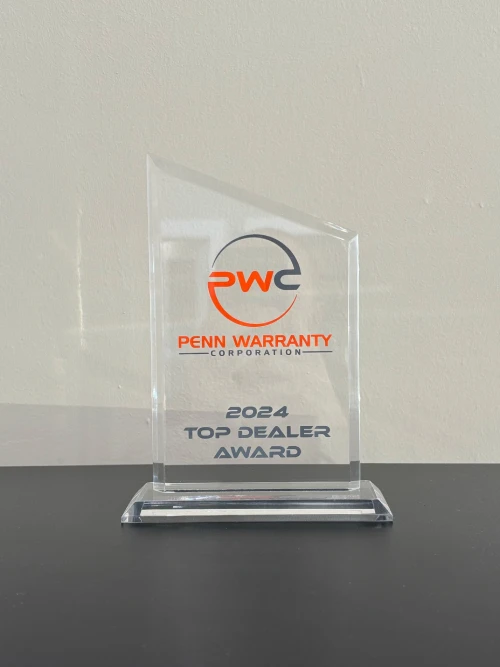
We’re thrilled to share that Olympic Auto Sales has just clinched the prestigious Penn Warranty Award 2024! This award is a testament to our commitment to delivering quality warranty coverage and outstanding customer care—every day, and in every vehicle we sell.
Award-Winning Warranty Services
At Olympic Auto Sales, we believe that buying a car is more than just making a purchase—it’s investing in peace of mind. Our innovative warranty programs are designed to cover a wide range of repairs, ensuring that you’re protected from unexpected costs. Winning the Penn Warranty Award is proof that our efforts in creating transparent, comprehensive, and customer-focused warranty plans are making a real difference.
What It Means for You
This recognition isn’t just for us—it’s for you, our valued customer. When you choose Olympic Auto Sales, you’re choosing a dealership that stands behind every vehicle with award-winning warranty coverage. Our plans are built on:
- Comprehensive Protection: Covering everything from engine issues to transmission repairs.
- Clear Terms: No hidden fees or confusing jargon—just straightforward, honest service.
- Customer-Centric Support: Our dedicated team is here to help you every step of the way.
Thank You
Another day, another award—and we couldn’t have done it without you! Your trust and loyalty drive us to excel every day. We extend our heartfelt thanks to our amazing team and our customers, who inspire us to keep raising the bar in automotive service.
How to Get a Car Loan with a Bad Credit Score

Getting a car loan with bad credit might seem daunting, but understanding your credit score and the options available to you can simplify the process. In this article, we will guide you through everything you need to know about securing an auto loan, even with a lower credit score. Whether you’re looking to buy a new or used car, knowing how to navigate the lending landscape can help you get approved and drive away with confidence.
What is the Minimum Credit Score to Get a Car Loan with Bad Credit?
Understanding the Minimum Credit Score Required
When it comes to securing vehicle financing with bad credit, it’s crucial to know the minimum credit score requirements set by lenders. Generally, a credit score of 500 is considered to be on the lower end of the spectrum, making it challenging to get a loan. However, some lenders specialize in providing auto financing for borrowers with bad credit, and they may offer loans to applicants with scores lower than 500, depending on the overall financial profile and ability to repay. Understanding this minimum credit score can empower you to take the necessary actions to improve your standing before applying for an auto loan.
How Bad Credit Affects Your Loan Approval
A bad credit score profoundly impacts your chances of getting a loan approved. Lenders perceive a lower credit score as an indication of higher risk, which can lead to denials or exorbitantly high-interest rates. If you’re looking to get a car loan with bad credit, be prepared to face these hurdles. However, it’s important to remember that bad credit does not mean you cannot secure a vehicle. By exploring various lenders, you can find options tailored to your credit situation.
What Credit Score is Considered Bad for Auto Loans?
A credit score below 600 is typically classified as bad credit when seeking auto financing. This classification can complicate your search for a loan, as many traditional lenders prefer borrowers with a score of 700 or more. However, understanding that various lenders have different benchmarks will help you strategically approach potential lenders who work with borrowers facing similar challenges. Knowing where you stand with your credit score can be the first step towards securing that car loan you need.
How to Improve Your Credit Score Before Getting a Car Loan?
Tips to Increase Your Credit Score
Improving your credit score is crucial if you want to enhance your chances of getting approved for auto financing. Start by checking your credit report for any discrepancies or errors that may be negatively impacting your score. Disputing these errors can help raise your score. Additionally, paying down existing debts and making on-time payments can significantly improve your credit score over time. Employing these strategies may require discipline, but the payoff in securing a favorable vehicle financing rate can be worth the effort.
How to Check Your Credit Score Effectively
To effectively check your credit score, utilize reputable credit bureaus that provide free credit reports. Taking advantage of these resources can help you keep track of your credit history and make informed decisions ahead of applying for auto financing. Regularly checking your credit score will also allow you to monitor your progress in improving your credit. Awareness is key; the more you know about your credit standing, the better prepared you’ll be when seeking to get vehicle financing.
Understanding Your Credit Report and Its Impact
Your credit report gives lenders a detailed look into your financial history, and understanding this document can empower you in the lending process. It includes your payment history, credit utilization, and existing debts, all of which impact your credit score. Before applying for a car loan, make sure you thoroughly understand your credit report to identify areas for improvement. This understanding can serve as a roadmap for enhancing your credit profile, enabling you to secure better terms on your auto loan.
What Are the Interest Rates for Bad Credit Auto Loans?
Comparing Loan Interest Rates by Credit Score
Interest rates for car loans can significantly vary based on your credit score. Borrowers with bad credit may face rates well above the national average, which could add hundreds or even thousands to the total cost of the loan throughout its life. Understanding where you fall on the spectrum of credit scores can help you anticipate the interest rates you might encounter. Exploring different lenders allows you to compare auto loan interest rates and find a rate that reasonably fits your budget.
Factors That Affect Auto Loan Interest Rates
Several factors influence auto loan interest rates, including your credit history, the loan amount, and the loan term. Additionally, the age and condition of the car you are purchasing can also impact the loan rate. New cars typically come with lower interest rates than used cars because they represent less risk to the lender. Understanding these factors will help you negotiate better terms and potentially secure a more favorable rate on your car loan.
Getting the Best Rates for a Car Loan with Bad Credit
To get the best rates for a car loan with bad credit, explore different lending options and consider working with credit unions and specialized auto lenders who are more inclined to work with borrowers facing credit challenges. Additionally, building a larger down payment can help offset the risk and secure a lower interest rate. Lastly, demonstrating your willingness to improve your credit can also incentivize lenders to offer you better rates. Armed with this knowledge, you can navigate the auto finance landscape much more effectively.
Where to Find Car Loans for Bad Credit?
Best Places to Apply for a Bad Credit Auto Loan
If you have bad credit, knowing where to apply for a car loan can make all the difference. Start with banks and credit unions as they may offer flexible lending options and more personalized service. Additionally, online lenders have emerged as viable alternatives, often providing tools to match borrowers with appropriate loan offers based on their credit profiles. Researching your options thoroughly can help you find the right fit for your needs and financial situation.
How Credit Unions Can Help You Get a Car Loan
Credit unions are often more forgiving towards borrowers with bad credit compared to banks, making them an excellent place to start your search for a car loan. They typically have lower rates and fees, and their focus on community can mean more personalized service. If you’re interested in exploring auto loans, don’t overlook credit unions as they often provide the support and resources needed to help you secure the financing you need to buy a car.
Online Lenders vs. Traditional Banks: Which is Better?
Deciding between online lenders and traditional banks boils down to personal preference and specific financial circumstances. Online lenders tend to have quicker approval processes and often cater specifically to borrowers with bad credit, which can result in more flexible options. In contrast, traditional banks may offer lower rates to borrowers with good credit but can be more stringent in their lending criteria. Weighing the pros and cons of each option can help you find the right lender to help you get an auto loan tailored to your needs.
What Should You Know Before Buying a Car with Bad Credit?
Understanding the Loan Terms and Conditions
Before signing on the dotted line for a car loan with bad credit, ensure you fully understand the loan terms and conditions. This includes the interest rate, monthly payment amounts, and the overall loan term. Being well-informed about what you are agreeing to can prevent unpleasant surprises down the line. Take the time to ask your lender questions and seek clarification on any points you do not understand. Knowledge is your best asset in this process.
Auto Finance Options for Those with Poor Credit
There are numerous auto finance options available for individuals with poor credit. Some lenders may offer special programs designed specifically to assist borrowers in your situation. Additionally, exploring co-signer options or seeking pre-approval can enhance your chances of securing a favorable loan. Understanding these various options helps you become more proactive in your search for financing and increases your ability to successfully secure a loan.
Pros and Cons of Buying a New vs. Used Car
When considering a car purchase with bad credit, the decision between buying a new or used car can be significant. A new car may be more appealing due to modern features and warranties, but it often comes with higher price tags and, consequently, higher loan payments. On the other hand, used cars can provide better value and lower loan amounts, making them easier to finance. Weighing the pros and cons of each choice can help you align your budget and financial goals with your vehicle needs.
Final Thoughts
Are you ready to drive into a brighter future? Financing a car can be achievable for everyone, even if you have a low credit score. With the right approach and support, you can navigate through car financing for bad-credit buyers and get approved for a car loan that suits your needs.
Begin by utilizing a loan calculator to estimate your loan would have monthly payments and understand your budget. It’s important to improve your credit before applying by reviewing your credit report and score, as this will help you find a car and get the best deal!
Don’t worry if you think your low credit will hold you back. Many people with bad credit have successfully financed a vehicle through their local bank or credit union. You can get pre-qualified for an auto loan with bad credit and begin your journey towards car ownership today!
Remember, every step you take impacts your credit score, so start now. At Olympic Auto Sales, we are here to help you find a car that fits your lifestyle, ensuring you get the best car loan possible!
Fresh Inventory Rolling In – 60+ New Cars for Tax Season at Olympic Auto Sales!
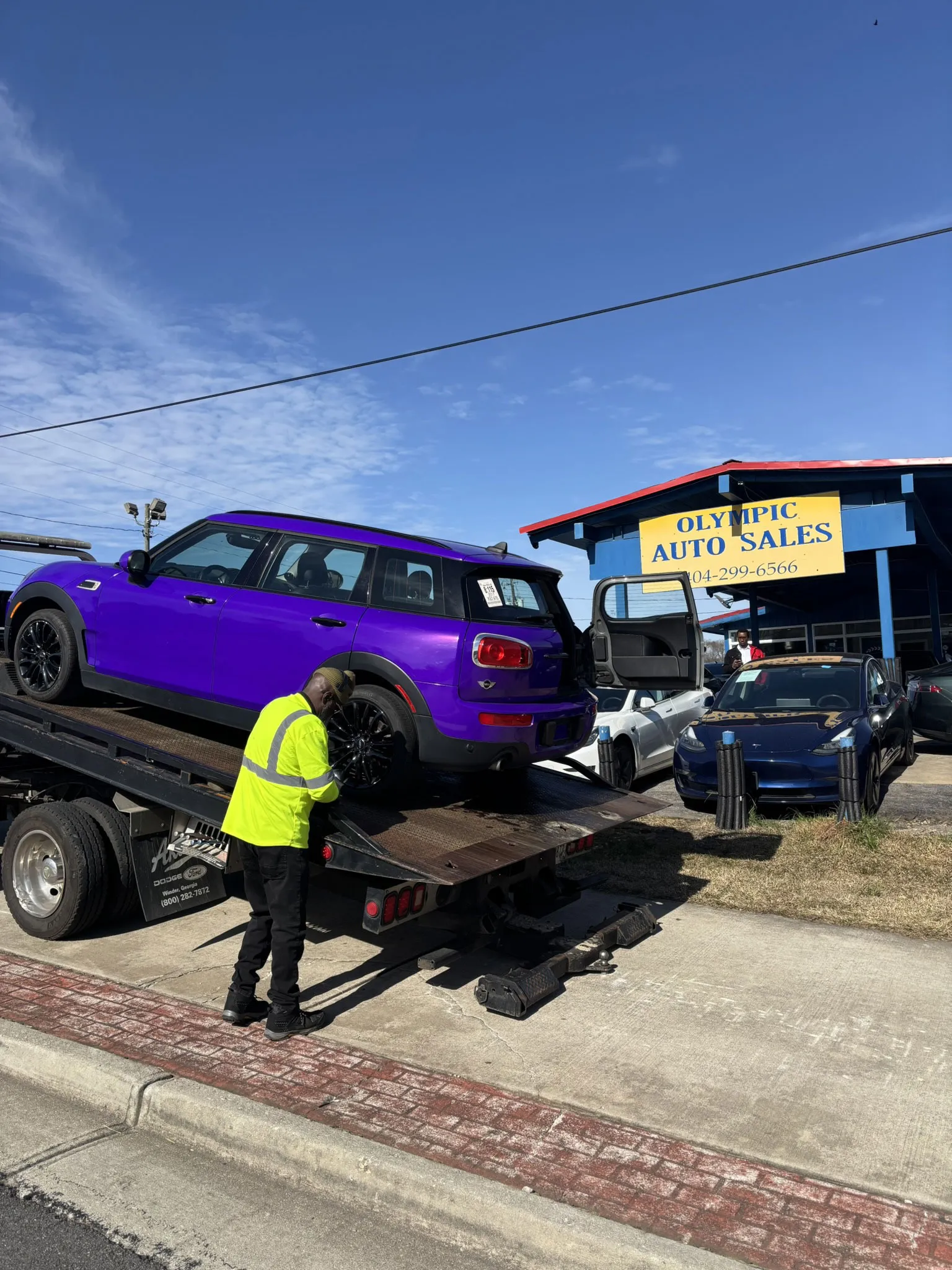
Tax season is here, and at Olympic Auto Sales, we’re stocking up with over 60 fresh arrivals! Whether you’re looking for a luxury ride, a reliable daily driver, or a sporty upgrade, we’ve got the perfect car for you. And the best part? Every car on our lot goes through a rigorous inspection and servicing process to ensure quality and reliability before it’s listed for sale!
Why Buy From Olympic Auto Sales?
160-Point Inspection on EVERY Car
Before any vehicle hits our lot, it goes through a detailed 160-point inspection performed by our professional mechanics. We check engine performance, transmission, brakes, suspension, and more to ensure every car meets our high standards.
No Oil Leaks, No Engine Issues – Guaranteed!
We don’t just put cars up for sale—we make sure they’re road-ready! Our inspection process ensures that there are no oil leaks, engine malfunctions, or major mechanical issues, so you can buy with confidence.
Fully Serviced & Professionally Cleaned
Before listing, every car goes through a full-service check-up, including oil changes, fluid top-offs, and necessary maintenance. Plus, we professionally detail and sanitize every vehicle so it looks as good as it drives!
Buy Here Pay Here (BHPH) – We Finance YOU!
Worried about credit? We’ve got the BEST Buy Here Pay Here program in Atlanta!
- No credit? No problem!
- Bad credit? We can help!
- Build your credit score by 100+ points with on-time payments!
Come see our NEW arrivals today! With cars coming in daily, the best deals won’t last long.
Call us now at 404-299-6566
Check out our latest inventory online: https://www.olympicautoga.com/inventory/
Used Mercedes vs BMW – Which One Holds Value?
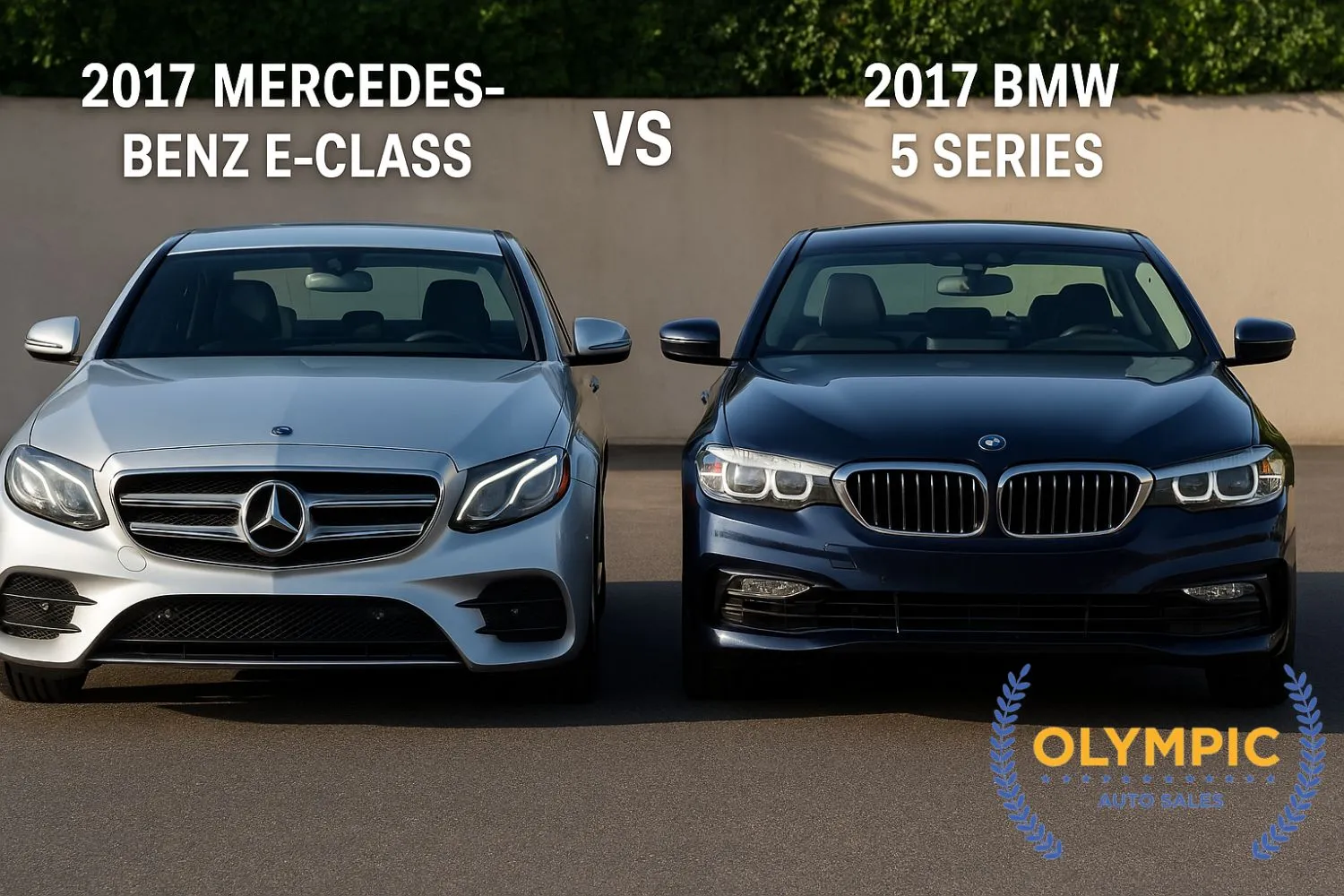
When shopping for a luxury car, two brands often come to mind first: Mercedes-Benz and BMW. Both are known for their performance, engineering, and prestige. But when it comes to buying used, which one actually holds its value better over time? Let’s break it down.
1. Depreciation: The First Big Drop
All luxury cars experience depreciation, especially in the first 3-5 years. However, Mercedes-Benz vehicles generally depreciate faster than BMWs in the early years.
- A new Mercedes E-Class can lose up to 50% of its value in 5 years.
- BMW 3 Series tends to lose around 45% in the same period.
That difference may seem small, but it can impact resale value significantly.
2. Cost of Ownership
BMWs are often associated with sportier performance, while Mercedes focuses on comfort and luxury. Both brands require premium maintenance and parts, but:
- BMW maintenance is often more frequent due to sportier engineering.
- Mercedes parts can be more expensive but require less frequent service.
Buyers should budget for regular maintenance regardless of brand, but this plays a role in long-term ownership value.
3. Market Demand in the Used Market
In the used car world, BMWs tend to have stronger buyer demand, especially for popular models like the 3 Series, X5, or 5 Series.
Mercedes, especially luxury sedans like the E-Class or S-Class, often attract more mature buyersbut may sit longer on used lots.
- BMWs = More buyers, faster sales
- Mercedes = Higher-end, niche appeal
4. Technology & Features
Both brands are loaded with tech, but Mercedes tends to focus more on innovation and luxury-first features (MBUX interface, ambient lighting, massage seats).
However, older Mercedes models may require more expensive repairs to these tech systems.BMWs tend to age more gracefully in terms of digital systems and performance tuning
5. Resale Trends in Atlanta
At Olympic Auto Sales, we’ve seen strong retention in late-model BMWs (especially under $25K) compared to equivalent Mercedes.
- BMW 3 and 5 Series fly off the lot
- Mercedes C and E-Class models tend to sell slightly slower
Buyers often ask for BMWs first when seeking sporty luxury on a budget.
Final Verdict:
If you’re looking for better resale value and higher buyer demand, especially in markets like Atlanta, a used BMW often edges out a Mercedes.
But if you value comfort, quiet rides, and luxurious features over resale, Mercedes is still a solid investment.
Whichever you choose, Olympic Auto Sales offers certified pre-owned BMW and Mercedes models that have been fully inspected and priced competitively.
Want help choosing the right luxury car? Contact Us or visit our showroom to test drive both!
First Car, First Loan? Here’s How to Do It Right

Buying your first car is exciting, but financing can be confusing. This guide explains everything first-time buyers need to know—from special loan programs and interest rates to how credit history affects approval. We’ll help you understand your options so you can get the best deal on your first car.
What Are the Best Financing Options for First-Time Car Buyers?
Understanding Auto Loans for First-Time Buyers
For first-time car buyers, securing an auto loan is often the first step towards owning a vehicle. Auto loans are typically offered by banks, credit unions, and dealerships, and they provide the necessary funds to buy a car while allowing you to pay back the loan over time. As a first-time buyer, you might feel apprehensive, especially if you have little or no credit history. However, there are various financing options specifically designed to assist first-time auto buyers in getting the best deal possible on their first car purchase.
Exploring the First-Time Car Buyer Loan Program
The first-time car buyer loan program is an excellent opportunity for those who have established little or no credit. These programs often feature lower interest rates, flexible terms, and even exclusive incentives. Many federal credit unions and local banks offer first-time car buyer programs to help you build your credit history while making your first car purchase. Participating in such a program could ease the tension you might feel about managing a loan and getting approved, making it a viable option for those tackling their first-time car-buying experience.
Used Car Financing vs. New Car Financing
When considering financing options, first-time car buyers often face the choice between used car financing and new car financing. Used cars generally come with a lower price tag, allowing you to apply for a smaller loan amount, which can be beneficial for those with limited or no credit history. On the other hand, financing a new car typically provides the advantage of warranties and the latest features, but it may require a larger loan amount and higher monthly payments. Evaluating your needs, budget, and plans will assist you in determining the most suitable option for your first vehicle investment.
How Can I Get Approved for a First-Time Car Buyer Loan?
Steps to Improve Your Credit Score for Loan Approval
- Check your credit reports for errors and inconsistencies.
- Dispute inaccuracies and rectify any issues immediately.
- Make timely payments on existing debts to build a positive payment history.
- Keep your credit utilization low by maintaining a low balance on credit cards.
- Avoid new credit inquiries before applying for a car loan.
- Be patient and diligent in building your credit history for long-term financial success.
Understanding Loan Preapproval for First-Time Buyers
Loan preapproval provides first-time car buyers with the confidence to negotiate the best deal during their car purchase. To obtain preapproval, lenders evaluate your financial situation, including your credit score, income, and existing debts. Being preapproved gives you a clear understanding of your loan amount, monthly payments, and interest rates, allowing you to shop for your first car with assurance. This step not only simplifies the financing process but also positions you as a serious buyer, making dealerships more inclined to work with you.
Common Requirements for Auto Loan Approval
To get approved for a car loan, lenders typically look for:
- Proof of Income - Recent pay stubs or tax returns showing steady employment
- Credit History - Minimum credit score (often 580+ for most lenders)
- Down Payment - Usually 10-20% of the car’s price
- Valid ID/Residency - Driver’s license and proof of address
- Debt-to-Income Ratio - Ideally below 40-50% of your monthly income
What Should I Know About Monthly Payments and Loan Terms?
Calculating Your Monthly Car Payment as a First-Time Buyer
Understanding how to calculate your monthly car payment is crucial for first-time car buyers. Many factors influence your monthly payment, including the loan amount, interest rate, and loan term. As you consider financing options, it’s vital to budget for a payment that fits comfortably within your financial means. Using online calculators can help you gain an accurate estimate of your monthly payments based on different loan amounts and interest rates, guiding you to make informed choices in your first car purchase.
What is a Good Loan Term for First-Time Car Buyers?
For first-time car buyers, choosing the right loan term is essential for managing your car payments effectively. Loan terms typically range from 36 to 72 months, with shorter terms usually resulting in higher monthly payments but lower overall interest costs. Conversely, longer terms may lead to lower monthly payments but could accumulate more interest over time. As you navigate through your financing options, consider what loan term aligns with your monthly budget and long-term financial goals, ensuring that you can comfortably manage your loan payment without straining your finances.
Tips for Managing Car Loan Payments Efficiently
- Enable auto-pay to prevent late payments and penalty fees.
- Create a budget to allocate sufficient funds for monthly car payments.
- Make extra payments toward the principal when possible to reduce overall interest.
- Monitor your loan balance to stay informed about your repayment progress.
- Build your credit history by making consistent, on-time payments.
- Gain peace of mind by actively managing your loan and financial commitments.
Are There Special Programs for First-Time Auto Buyers?
Benefits of First-Time Buyer Programs
First-time buyer programs offer substantial benefits to new car purchasers, enabling them to enjoy lower interest rates, reduced down payments, and tailored loan terms that align with their financial situations. These programs often cater specifically to individuals with limited credit histories, providing a pathway to achieve reliable financing for their first car. By leveraging a first-time car buyer program, you can alleviate some of the stress associated with financing and focus more on enjoying the experience of buying your first car.
Finding the Right Buyer Program for Your Needs
As a first-time auto buyer, it’s important to research and find the right buyer program that suits your needs. Various dealerships and credit unions offer specialized programs that may provide incentives like cash rebates, lower interest rates, or assistance with your down payment. Take the time to compare different programs and inquire about eligibility requirements. Finding a program that caters to your specific situation can significantly enhance your car buying experience and improve your ability to secure favorable financing options.
How Dealerships Can Assist First-Time Buyers
Dealerships play a vital role in supporting first-time buyers throughout the car purchasing process. Many dealerships have dedicated finance teams that understand the unique challenges faced by new buyers, such as limited credit history. They can guide you through the financing options available, help you apply for loans, and negotiate on your behalf to ensure you get the best deal. Building a rapport with your dealership can lead to valuable insights and resources that can facilitate a smoother transition into car ownership.
What Are the Key Considerations When Buying Your First Car?
Researching Your Options: Used vs. New Cars
Before making your final decision on buying your first car, conducting thorough research on your options will benefit your financial and practical decision-making. Understand the pros and cons of used versus new cars and analyze their respective cost implications. While used cars often provide more affordable price points, new cars may come with manufacturers’ warranties and advanced features. This research phase ensures you are well-informed ahead of your purchase, allowing you to make a well-balanced choice.
Factors to Consider When Choosing Your First Vehicle
When selecting your first vehicle, several critical factors come into play, including your budget, lifestyle, and personal preferences. Consider how many passengers you’ll typically transport, the fuel efficiency you’ll need, and the resale value of the car. Additionally, test driving multiple models can give you a tangible feel for the vehicle’s performance and comfort. Keeping these considerations in mind will assist you in choosing a first car that aligns with your needs and enhances your driving experience.
How to Negotiate the Best Price as a First-Time Buyer
Negotiating the price of your first car can be intimidating, especially if you are a first-time buyer. However, with proper preparation, you can approach negotiations with confidence. Research the market value of the vehicle you desire and come armed with comparable prices. Be firm yet respectful, and don’t hesitate to walk away if the deal doesn’t meet your budget. Utilizing negotiation strategies effectively can help you secure the best deal on your first car while remaining within your financial constraints.
Conclusion
Buying your first car should be an exciting milestone, not a stressful experience. With the right partner, you’ll discover:
✓ Exclusive first-time buyer programs to help you qualify
✓ Surprisingly affordable rates, especially with good credit
✓ Clear guidance at every step of the process
Why experience matters:
For years, Olympic Auto Sales has been the trusted choice for first-time buyers, offering
• Personalized loan matching for your unique situation
• Patient explanations of all your options
• Quick approvals so you can drive off sooner
Ready to begin? Let’s find the perfect car and loan for you at Olympic Auto Sales.