


Low-Income Families: Subsidize Car Ownership via Used Car Financing

For many low-income families, the dream of car ownership can often feel out of reach due to financial constraints and concerns about credit scores. However, used car financing presents a viable path toward reliable transportation that can significantly improve the quality of life. By understanding the available options and strategies for financing a used vehicle, low-income individuals can navigate the car-buying process and secure a dependable mode of transport. This article delves into how low-income families can achieve car ownership through used car financing, offering insights into financing options and practical steps for successful acquisition.
How Can Low-Income Families Achieve Car Ownership Through Used Car Financing?
What Types of Used Cars Are Available for Low-Income Families?
Low-income families can benefit greatly from the diverse selection of affordable used cars available on the market. These vehicles often come with lower price tags, allowing families to secure financing without overwhelming debt burdens. Common types of used cars include sedans, hatchbacks, and compact SUVs that offer a blend of reliability and fuel efficiency. For families looking to adopt electric vehicles, the growing inventory of affordable used electric vehicles presents an eco-friendly option, further enhancing the sustainability of their transportation choices. By exploring various dealerships and online platforms, families can review used car inventories that fit their budget and lifestyle needs.
What Are the Advantages of Financing a High-Quality Used Car?
Financing a quality used vehicle offers numerous advantages for low-income households. One of the primary benefits is affordability; used car financing typically results in lower monthly payments when compared to new car loans. This makes it much easier for families to budget for vehicle ownership without straining their household income. Additionally, high-quality used cars can provide the same level of reliability and performance as new models, allowing families to invest in a vehicle that meets their transportation needs while minimizing the risk of mechanical issues. The ability to finance a used vehicle also helps individuals build their credit history over time, leading to improved credit scores and future financing options.
How Can Low-Income Individuals Find Reliable Transportation?
Finding reliable transportation is crucial for low-income individuals, as it directly impacts their ability to commute to work, attend school, and run essential errands. One effective strategy is to research local dealerships that specialize in affordable used cars and have positive reviews from previous customers. Reading customer reviews and testimonials can offer valuable insight into the dealership’s reputation and the quality of its customer service. Online platforms dedicated to used car sales often include detailed vehicle histories and owner testimonials, allowing families to make informed decisions. By taking the time to explore all available resources, low-income individuals can secure dependable transportation that aligns with their financial conditions.
What Are the Options for Bad Credit Car Loans for Low-Income Families?
How Does Credit Score Affect Approval for Auto Loans?
Understanding the impact of credit scores on auto loan approval is essential for low-income families, particularly those with low credit scores. Lenders often evaluate credit history to gauge risk before approving a car loan. A low credit score can lead to higher interest rates or denial of financing; however, many financial institutions offer flexible financing options specifically designed for bad credit car loans. Families who possess a lower credit score are encouraged to explore these options with various lenders, as some may cater to individuals with challenging credit histories.
What Are the Typical Terms for Bad Credit Car Loans?
Bad credit car loans typically come with higher interest rates and fewer favorable terms. Commonly, lenders may offer a loan term ranging from three to five years, with varying down payment requirements. Even though the loan conditions may seem less than ideal, securing a bad credit car loan can ultimately lead to an improved credit history, paving the way for better financing solutions in the future. It’s essential for low-income families to carefully review and compare the terms offered by different lenders, as some may provide better options than others.
Can Low-Income Individuals Improve Their Credit History Before Financing?
Yes, low-income individuals can take proactive steps to improve their credit history before applying for auto loans. Simple actions such as paying bills on time, reducing credit card balances, and avoiding new debt can contribute to an increase in credit score. Additionally, seeking guidance from credit counseling services can provide tailored advice on improving overall financial health. With some effort and time, families can work towards enhancing their credit scores, which can lead to lower interest rates and more attractive financing solutions when they decide to finance a car.
What Is the Process of Finance a Car for Low-Income Buyers?
How Can I Get Approved for Auto Financing?
Getting approved for auto financing involves a few key steps, especially for low-income buyers. First, it’s essential to have an understanding of one’s financial situation, including household income and existing debts. By gathering necessary documentation such as proof of income, identification, and recent credit reports, individuals can present a comprehensive picture to potential lenders. Additionally, applying for pre-approval can clarify the financing options available based on their financial profile. This proactive approach can greatly enhance the chances of approval and help families ascertain their budget before entering the dealership.
What Documents Are Needed for Car Loan Applications?
To streamline the car loan application process, low-income families should prepare a set of essential documents. Typical requirements include proof of income (pay stubs or bank statements), valid identification (driver’s license or passport), proof of residence (utility bills), and information about any existing debts or loans. Collecting these documents in advance can help facilitate a smoother application process, allowing car buyers to focus on finding an affordable used vehicle that meets their needs.
What Mistakes Should Be Avoided When Applying for an Auto Loan?
Low-income families must be aware of common mistakes when applying for an auto loan, as these can hinder their chances of obtaining favorable financing options. One critical mistake to avoid is failing to review credit reports before applying for a loan; inaccuracies or outstanding debts can lead to denial or unfavorable terms. Additionally, rushing into a decision without researching rates from various lenders can result in higher costs over the life of the loan. Lastly, not considering the total cost of vehicle ownership—including insurance, maintenance, and fuel—can strain monthly budgets and lead to financial difficulties.
What Role Do Dealerships Play in the Car Financing Process for Low-Income Families?
How Can Families Choose the Right Dealership for Used Vehicles?
Selecting the right dealership is fundamental for low-income families seeking to finance a used vehicle. Families should look for dealerships with a reputation for honesty and transparency, as well as those that offer a substantial inventory of affordable used cars. Reading customer reviews and testimonials can offer valuable insight into the dealership’s reputation and the quality of its customer service.. Additionally, visiting multiple dealerships can provide families with a variety of options and financing solutions that fit their financial profiles.
What Are the Benefits of Working with Dealerships Offering Affordable Used Cars?
Working with dealerships that specialize in affordable used cars presents several benefits for low-income families. These dealerships often have established relationships with lenders who understand the unique challenges faced by low-income households. As a result, they may offer financing options tailored for buyers with limited budgets or lower credit scores. Moreover, reputable dealerships often provide certified pre-owned vehicles, which come with warranties and have undergone thorough inspections, ensuring families invest in quality vehicles that minimize the likelihood of unexpected repairs.
How Can Low-Income Car Buyers Negotiate Better Terms at Dealerships?
Negotiating better terms at a dealership is vital for low-income car buyers to maximize their financing options. One effective strategy is to conduct thorough research on the market value of the desired vehicle, empowering buyers to negotiate confidently. Additionally, coming prepared with pre-approved financing options can provide leverage during negotiations. Families should remain open to discussing alternative financing solutions, such as a reduced down payment or extended loan terms, which can make monthly payments more manageable. By maintaining clear communication and understanding their financial limits, low-income individuals can secure financing that aligns with their budgets.
How to Ensure Monthly Payments Are Manageable for Low-Income Families?
What Factors Should Be Considered When Calculating Monthly Payments?
When calculating monthly payments, low-income families should consider several critical factors to ensure they remain financially stable. First and foremost, understanding the total loan amount, including interest rates and loan duration, is essential in estimating monthly payments. Additionally, families should account for other costs associated with vehicle ownership, including insurance, maintenance, and fuel expenses. By thoroughly assessing their financial situation and considering all costs, families can make informed decisions that keep monthly payments manageable and sustainable.
How Can Families Budget for Vehicle Ownership Costs Beyond the Loan?
Budgeting for vehicle ownership costs beyond the car loan is vital for low-income families to maintain financial health. Establishing a comprehensive budget that allocates funds for insurance, routine maintenance, repairs, and fuel expenses can create a clear financial picture. Families should also consider setting aside a small emergency fund for unexpected repairs or incidents to avoid financial strain. Utilizing budgeting apps or tools can aid in tracking expenses and ensuring families stay within their means.
What Resources Are Available for Financial Assistance with Car Loans?
Low-income families can access various resources designed to provide financial assistance and guidance for car loans. Non-profit organizations often offer programs that assist with transportation needs, providing funds or resources for individuals looking to finance a reliable vehicle. Government programs may also exist in certain areas aimed at promoting car ownership among low-income families. Furthermore, local credit unions often provide favorable loan terms and community support, making them a valuable resource for families seeking reliable transportation solutions.
Conclusion
At Olympic Auto Sales, we understand that buying a car can be daunting, especially for lower-income households or those with poor credit. Our team is dedicated to helping vehicle buyers find the right financing plan that meets their budget, whether it’s a used vehicle or an energy-efficient electric vehicle.
With flexible rates, we cater to income consumers across all income levels. We believe in making car ownership attainable for everyone, even for those who are choosing a car with a hard credit check. Let us guide you through the car-buying process so you can enjoy your new ride!
Moreover, our experts can help you understand the total cost of ownership and assist with home and auto insurance options. If you need a vehicle and ready to purchase a car, Olympic Auto Sales is here to turn that dream into reality!
The Smart Benefits of Choosing a Used Car
In an era marked by economic fluctuations and an ever-evolving automotive landscape, potential car buyers are increasingly weighing their options. The question remains: is buying a used car still a smart choice compared to a new vehicle? With significant advantages in price, reliability, and financial sense, used cars, particularly certified pre-owned vehicles (CPO), are gaining traction among consumers looking for value in their purchases. This article delves into the numerous benefits of buying used cars, guiding you through the advantages, processes, and financial implications associated with this decision.
What Are the Advantages of Buying Used Cars Compared to New Cars?
When considering the advantages of buying a used car, it’s essential to recognize how they stand out in the current market. One of the biggest advantages of buying a used vehicle is the lower price point. Used cars have already suffered depreciation, meaning that they often cost significantly less than their new counterparts. This immediate depreciation can be one of the most substantial financial benefits, allowing buyers to get more cars for their money. A used vehicle can offer the dependable performance you need at a much lower cost than buying new.
How Does Depreciation Affect the Value of Used Cars?
Depreciation is a natural part of a vehicle’s life cycle, impacting its resale value significantly. New cars typically lose around 20-30% of their value as soon as they leave the dealership, and this decline continues over the following years. In contrast, a used car has already absorbed this depreciation hit, which means that buyers can often find quality used vehicles at much lower prices. This dynamic makes buying used a smart choice for those looking to maximize their investment in a vehicle.
What Makes Certified Pre-Owned Vehicles a Smart Choice?
Certified pre-owned vehicles (CPOs) are particularly appealing to those hesitant about purchasing used cars. Each of these vehicles has passed strict inspections to ensure they meet high standards for quality and reliability. Many dealerships offer warranties on certified pre-owned vehicles, providing additional peace of mind to buyers. The added assurance that comes with CPO vehicles makes them a wise investment, as they combine the affordability of used cars with the reliability typically associated with new vehicles.
Are There Lower Registration Fees for Pre-Owned Vehicles?
Another often overlooked advantage of purchasing a used vehicle is the lower registration fees associated with it. Generally, registration fees for used cars are lower compared to new vehicles, further enhancing the financial benefits of buying used ones. This aspect allows buyers to save money not only at the point of purchase but also in ongoing costs associated with car ownership.
Everything You Need to Know About Buying a Used Car
Stepping into the used car market may seem overwhelming, but with the right insights, you can move through the process with ease. Understanding how to buy a used car involves several crucial steps that allow buyers to make informed choices. By knowing what to look for and how to evaluate your options, you can feel confident in your used car purchase.
What Should You Look For in a Vehicle History Report?
- Accident history: Check if the vehicle has been involved in any accidents or major repairs.
- Ownership records: Review the number of previous owners and how the car was used (personal, rental, etc.).
- Service history: Look for regular maintenance and any significant repairs or recalls.
- Potential red flags: Identify issues such as flood damage, odometer rollback, or salvage titles.
Refer to the report to assess the vehicle’s overall condition and reliability. Always obtain and thoroughly review a vehicle history report before finalizing your purchase.
What Are the Steps for Purchasing a Used Car from Dealerships?
Purchasing a used car from dealerships involves several key steps. Initially, you should set your budget and determine the type of pre-owned vehicle that meets your needs. Next, researching specific makes and models allows you to compare options. Once you’ve identified potential vehicles, visiting dealerships for inspection and test drives is crucial. Engaging in price negotiations will help ensure you are paying a fair amount, ultimately enabling buyers to secure the best possible deal on their used car purchase.
How to Inspect a Quality Used Vehicle Before Buying?
Inspecting a quality used vehicle before buying is an essential part of the process. Buyers should take the time to look closely at the car’s condition, both mechanically and aesthetically. Checking the tires, brakes, and engine, as well as looking for signs of rust or wear, are key aspects of the inspection. A test drive also allows you to assess the car’s performance and overall comfort. If you’re uncertain about the evaluation process, consider hiring a trusted mechanic to perform a thorough inspection, allowing buyers to make informed decisions.
Used Car Financing: Is It a Smart Financial Decision?
Financing a used car is often a smart financial decision that can help you maintain a balanced budget. Many lenders offer competitive financing options for pre-owned vehicles, allowing you to manage your payments effectively. This accessibility to financing options can make buying used a feasible and strategic choice, especially for those on a tight budget.
What Are the Benefits of Financing a Pre-Owned Vehicle?
Financing a pre-owned vehicle can unlock a host of benefits. For one, it allows buyers to spread the cost of the vehicle over time, making it easier to manage financially. Moreover, since used cars generally have lower price tags than new vehicles, financing a used car often leads to lower monthly payments. This flexibility enables buyers to allocate funds to other essential areas of their budget, reinforcing the financial advantages of choosing used.
How Do Interest Rates for Used Car Loans Compare to New Car Loans?
Used car loan interest rates are generally lower than those for new cars, making used vehicles a more appealing choice. Lenders often view used cars as less risky due to their established history, resulting in lower interest rates for buyers. This further enhances the affordability of financing a pre-owned vehicle compared to a new ones, making a used car purchase a smart financial choice.
Can You Find Good Financing Options for Certified Pre-Owned Vehicles?
Yes, buyers can indeed find excellent financing options for certified pre-owned vehicles. Many dealerships offer competitive financing deals on CPO cars, sometimes at rates comparable to those available for new vehicles. This means that purchasing a certified pre-owned car can provide the reliability and warranty benefits of new cars while retaining the cost benefits associated with used vehicles.
Peace of Mind: The Warranty Benefits of Buying Used Cars
One of the critical aspects that contribute to the peace of mind associated with used car purchases is the availability of warranties. Understanding the warranty landscape can greatly influence your buying decision, especially when exploring used cars.
Do Used Cars Often Come with Extended Warranties?
Many used cars offer the potential for extended warranties, allowing buyers to protect their investments further. Extended warranties can cover a range of repairs and maintenance issues, providing crucial support during ownership. This feature can enhance the appeal of used cars, as buyers can enjoy added security while benefiting from the cost savings associated with their purchase.
What Are the Warranty Options for Certified Pre-Owned Vehicles?
Certified pre-owned vehicles often come with robust warranty options, which can include limited powertrain warranties or bumper-to-bumper coverage. These warranties usually extend beyond the initial manufacturer’s warranty, offering buyers additional protection against unexpected repairs. Knowing the warranty details of a CPO vehicle can significantly impact your peace of mind as a buyer, reinforcing the smart choice of investing in certified pre-owned cars.
How Does a Warranty Impact the Cost of Ownership?
A solid warranty can greatly reduce the cost of ownership by covering repairs and maintenance for an extended period. This aspect is particularly beneficial for those purchasing used cars, as it helps mitigate the risk of incurring significant repair costs. Because used vehicles are often less expensive to purchase upfront, combined with the added protection a warranty offers, car buyers can enjoy financial stability while enjoying their vehicle.
Is Buying Used Cars a Smart Choice for Those on a Tight Budget?
For individuals or families on a tight budget, buying used cars emerges as one of the best financial decisions available. The used car market is abundant with options, making it easier for buyers to find a pre-owned vehicle that fits their financial situation without compromising on quality.
How Do Used Cars Provide Value for Money?
Used cars provide exceptional value for money, primarily due to the lower initial cost and reduced depreciation rates. By purchasing a used vehicle, buyers can often access higher quality makes and models that might otherwise be financially out of reach if they were new. This value proposition enables responsible spending while acquiring a reliable means of transportation that meets everyday needs.
What Are the Advantages of Buying a Used Vehicle During Economic Uncertainty?
During periods of economic uncertainty, the used car market typically flourishes as buyers seek cost-effective alternatives to new vehicles. Choosing to buy a used car during these times allows consumers to navigate financial constraints while still securing reliable transportation. Additionally, the reduced overall costs associated with used vehicles, such as lower insurance rates and registration fees, make it an appealing option for buyers concerned about long-term expenses.
How Can Buying Used Help You Avoid Higher Costs Associated with New Cars?
Buying used can help individuals and families avoid higher costs in multiple ways. Besides the significant savings at the point of sale, used cars tend to have lower insurance premiums and registration fees. This financial advantage, combined with the minimization of depreciation, means that a quality used vehicle can deliver substantial savings over time. Thus, investing in a used car is not only a smart choice for your wallet but also a pathway to financial stability.
Conclusion
Choosing a used car can be a smart choice for many buyers who are looking for value within the first year. The used car market provides a diverse selection, allowing buyers to find a vehicle that suits their needs—especially one with a clean history and documented service records.
By opting for a pre-owned vehicle, buyers can take advantage of warranties and certified pre-owned programs that provide peace of mind. The automotive industry has made it easier for buyers to make an informed decision, ensuring lower premiums and long-term savings on insurance.
With tools like Carfax and comprehensive inspections and refurbishments, buyers may feel confident in their selection. Remember, choosing Olympic Auto Sales means you’re making a smart choice for your money and investing in your future!

The Pros and Cons of Buying a Used Tesla Car
Understanding the pros and cons of buying a used Tesla car is essential for potential buyers. With the increasing popularity of electric vehicles (EVs) and Tesla’s advanced technology, many consumers are considering purchasing a used Tesla. However, it’s crucial to weigh the benefits and drawbacks before making such a significant investment. This comprehensive guide will help you navigate the complexities of the used Tesla market.
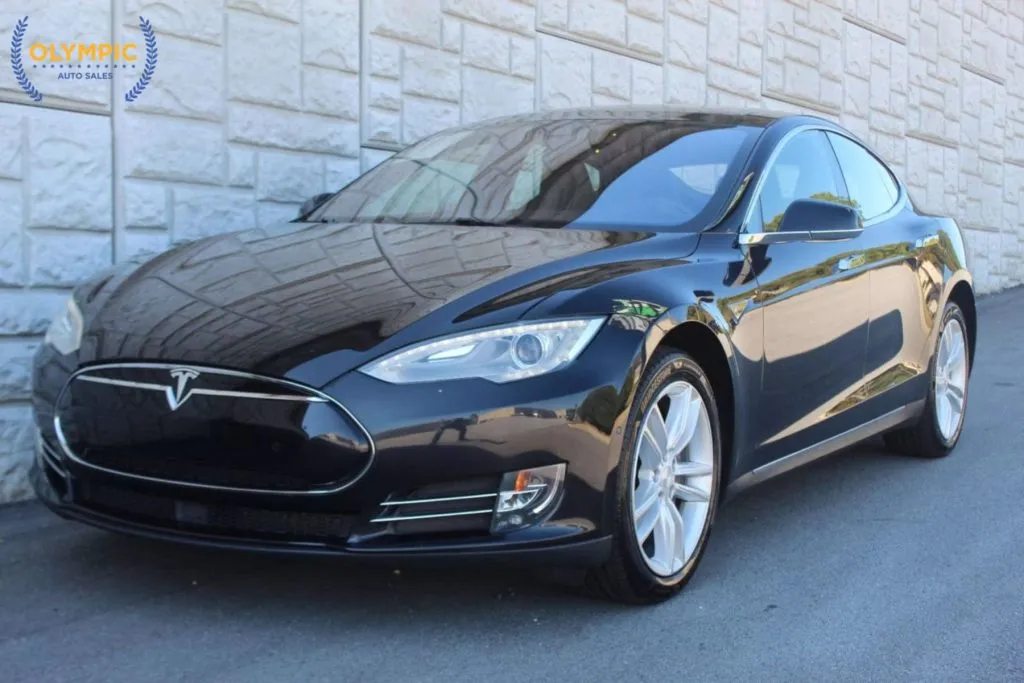
What Are the Key Advantages of Purchasing a Used Tesla?
Buying a used Tesla offers several advantages that can make it an attractive option for potential buyers. Firstly, the lower price compared to new models can be a significant benefit. Many used Teslas retain their advanced technology and features, making them a great value.
Additionally, purchasing a used Tesla may allow you to access models that are no longer in production, such as older versions of the Model X or Model 3. This can be particularly appealing for those who appreciate the unique features of these earlier cars.
What Should You Know About the Warranty on a Used Tesla?
Understanding the warranty coverage is crucial when considering buying a used Tesla. Tesla vehicles come with a limited warranty that covers specific components for a certain period. It’s essential to check if the used vehicle still falls under Tesla’s warranty or if it has been extended through a third-party provider.
Moreover, Tesla offers a warranty on the battery pack and drive unit, which is an important factor to consider. Understanding the warranty terms can help you prevent surprise repair expenses down the road.
How Do Maintenance Costs Compare to New Models?
One of the pros of purchasing a used Tesla is the potential savings on maintenance costs compared to traditional internal combustion vehicles. Tesla cars have fewer moving parts, which often leads to lower repair costs. However, it’s essential to consider the maintenance history of the used model you are interested in.
Older models may require more frequent maintenance, especially if they are out of warranty. It’s advisable to review the service history and any previous repairs made to the vehicle to gauge potential future costs.
What Is the Battery Life and Degradation of Used Teslas?
Battery life is a significant consideration when buying a used EV, including Teslas. Tesla batteries are known for their longevity, but battery degradation is a natural process that occurs over time. When purchasing a used Tesla, inquire about the mileage and the vehicle’s battery health to understand its current condition.
Moreover, it’s essential to know about Tesla’s battery warranty, which typically covers the battery pack for 8 years or a certain mileage limit, providing peace of mind for potential buyers.
Are Software Updates Important for Used Tesla Vehicles?
Another advantage of buying a used Tesla is the continued availability of software updates. Tesla regularly releases updates that enhance the vehicle’s performance, add new features, and improve the infotainment system. Ensuring that the used model you consider has received these updates is crucial for maximizing the vehicle’s capabilities.
Older models may not support certain updates, so it’s worth verifying the software version and compatibility before making a purchase.
What Are the Autopilot Capabilities in Used Teslas?
Autopilot is one of Tesla’s standout features, and understanding the capabilities of the used model you are considering is vital. Depending on the model year, the autopilot features may vary significantly. Earlier used models may not include the full suite of autopilot capabilities found in newer versions.
When considering a used Tesla, ask about the specific autopilot features available and whether they align with your driving needs and expectations.
Should You Consider Buying from a Private Seller or a Dealership?
When looking to buy a used Tesla, potential buyers often face the decision of whether to purchase from a private seller or a dealership. Buying from a dealer can provide additional security, such as verified vehicle history and warranty options.
On the other hand, private sellers may offer lower prices, but it’s essential to conduct thorough due diligence. Always check the vehicle’s history and consider having it inspected by a professional to avoid potential pitfalls.
What Is the Resale Value of Used Teslas?
The resale value of used Teslas is generally higher compared to traditional vehicles. Teslas tend to retain their value well due to their popularity and demand in the used car market. However, factors such as mileage, model year, and overall condition will influence the resale value.
It’s advisable to research the market trends and compare prices of similar used Teslas to gauge fair pricing before making a purchase.
What Are the Common Cons of Buying a Used Tesla?
While there are many pros to buying a used Tesla, there are also cons to consider. One major concern is the potential for higher repair costs if the vehicle is out of warranty. Unlike new models that come with comprehensive coverage, older used models may require you to pay for repairs out of pocket.
Additionally, battery degradation can be a concern, especially for older models. If the battery life is significantly diminished, it could lead to reduced driving range and performance.
How Can You Find a Reliable Used Tesla?
Finding a reliable Tesla requires diligent research. Start by searching on reputable used car platforms or visiting trusted dealerships like Olympic Auto Sales in Decatur, GA. Ensure you obtain a vehicle history report to assess the car’s past ownership, accidents, and service records.
Additionally, consider scheduling a pre-purchase inspection with a qualified mechanic who specializes in electric vehicles to identify any potential issues before finalizing the purchase.
What Are the Key Takeaways When Considering a Used Tesla?
- Evaluate the benefits of purchasing a used Tesla, including lower prices and advanced technology.
- Understand the warranty coverage and potential maintenance costs.
- Investigate battery life and degradation to ensure the vehicle meets your needs.
- Verify software updates and autopilot capabilities.
- Decide between buying from a private seller or a dealership based on your comfort level.
- Research resale value trends to make an informed purchase.
- Conduct thorough inspections and obtain vehicle history reports.
Conclusion
In conclusion, purchasing a used Tesla car can be a rewarding experience if you carefully consider the pros and cons associated with it. While there are numerous benefits to buying used Teslas, such as advanced technology and lower prices, it’s essential to be aware of potential drawbacks like repair costs and battery degradation. If you’re in the market for a reliable used Tesla, Olympic Auto Sales in Decatur, GA, is a trusted dealer that can guide you through the process of finding the perfect vehicle for your needs.
How to Charge Your Electric Car at Home: A Step-by-Step Charging Guide
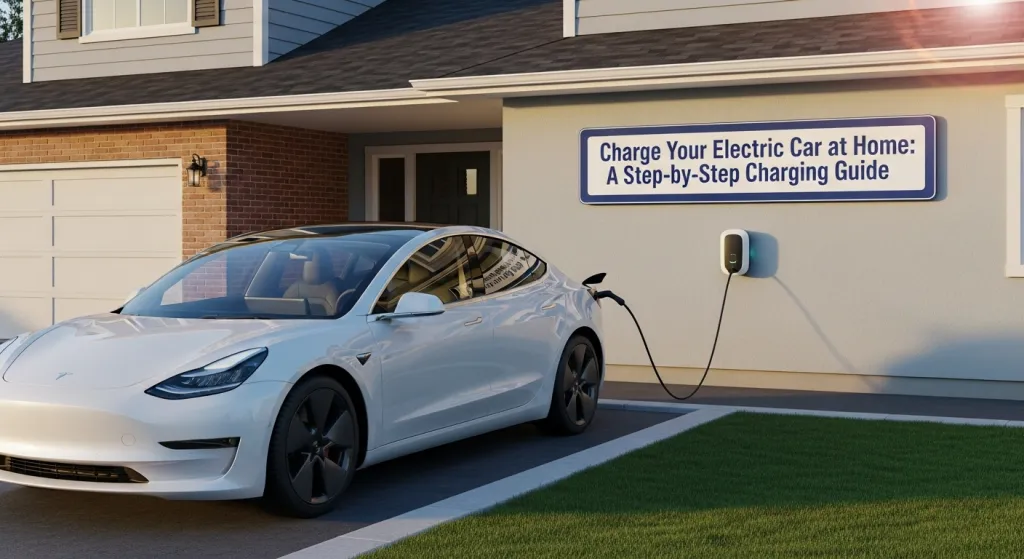
As electric cars become more common on the roads, learning how to charge your electric vehicle (EV) at home has become essential for today’s car buyers—especially those exploring pre-owned electric cars. Charging your electric car at home offers unmatched convenience, lower costs, and the flexibility to fully control your vehicle’s charging schedule. Whether you’re new to EVs or considering switching from gas-powered vehicles, this guide will walk you through everything you need to know about charging your EV at home safely and efficiently.
What Do You Need to Charge Your Electric Vehicle at Home?
Before you can charge your electric vehicle at home, it’s crucial to gather the necessary equipment. The primary components include:
- Charging Equipment: Invest in a reliable home EV charger, which can be either a Level 1 (standard outlet) or Level 2 (240-volt outlet) charger.
- Charging Cable: Ensure you have the appropriate charging cable for your electric vehicle’s charge port. Most electric vehicles include a standard charging cable.
- Power Source: Verify that your home’s electrical system is capable of supporting the charging needs.
Knowing what you need is the first step in creating a safe and efficient home charging setup.
How Does Charging at Home Work?
Charging your electric vehicle at home involves plugging your car into a charging station or wall outlet. Here’s a breakdown of how it works:
- Plugging In: Connect the charging cable to your vehicle’s charge port and the other end to your home charger.
- Charging Speed: Charging time varies by charger type—Level 1 chargers are slower, whereas Level 2 chargers provide quicker charging.
- Battery Management System: Your vehicle’s battery management system ensures safe charging and prevents overcharging.
Understanding the mechanics of charging can help you maximize the efficiency of your home charging experience.
What Are the Different Charging Levels for Electric Car?
Charging an electric vehicle can be categorized into different levels, each with its unique specifications:
- Level 1 Charging: Standard 120-volt outlet; typically offers 2-5 miles of range per hour of charging.
- Level 2 Charging: 240-volt outlet; provides 10-60 miles of range per hour, making it the preferred choice for home charging.
- DC Fast Charging: Available at public charging stations; can charge an EV to 80% in about 30 minutes.
Choosing the right charging level is essential based on your driving habits and daily range needs.
Charging an Electric Vehicle at Home: How Long Does It Take?
Several factors influence how long it takes to charge your EV at home:
- Battery size: Larger batteries take longer to charge.
- Charger Type: Level 2 chargers provide much faster charging compared to Level 1 chargers.
- State of charge: Charging from 10% to 80% takes less time than charging from 0% to 100%.
For example:
- Level 1 charger: 12–20 hours for a full charge
- Level 2 charger: 4–8 hours for a full charge
For most drivers, plugging in overnight with a Level 2 home charger ensures a full battery each morning—ideal for daily commuting.
What Are the Benefits of Home EV Charging?
Charging your electric vehicle at home provides several benefits:
- Convenience: No need to visit public charging stations; simply plug in your car overnight.
- Cost-Effective: Home electricity rates are generally lower than public charging rates.
- Optimized Charging: You can schedule charging during off-peak hours to save on electricity costs.
These benefits can enhance your overall EV ownership experience.
What to Consider When Installing a Home Charger?
Installing a home charger requires careful consideration of several factors:
- Electrical Capacity: Ensure that your home’s electrical system can support the additional load of a charging station.
- Location: Choose a location that is easily accessible for your vehicle and close to the electrical source.
- Permits and Regulations: Check local regulations and obtain necessary permits before installation.
Taking these steps can help you avoid complications during installation.
How to Maintain Your Home Charging Station?
Maintaining your home charging station is crucial for safety and performance:
- Regular Inspection: Check the charging cable and connector for wear or damage.
- Clean the Equipment: Keep the charging station clean and free from debris.
- Monitor Charging Sessions: Use a charging app to track your charging sessions and ensure everything is functioning correctly.
Proper maintenance can extend the lifespan of your charging equipment.
What Are Common Charging Issues and Solutions?
Even with the best setup, you might encounter some charging issues:
- Inconsistent Charging: If your charger is not delivering consistent power, check the connections and your home’s electrical system.
- Slow Charging: Ensure you are using the appropriate charger for your EV model and battery capacity.
- Charging Station Malfunction: If your charging station is not working, contact a professional for repairs.
Knowing common problems can help you troubleshoot more efficiently.
How to Operate Your EV Charging App Effectively
Using a charging app can enhance your EV charging experience:
- Locate Charging Stations: Find nearby public charging stations and their availability.
- Track Your Charging Sessions: Use the app to monitor your charging speed and session details.
- Schedule Charging: Set your home charger to charge during off-peak hours to save on costs.
Leveraging technology can make charging more efficient and user-friendly.
How Can You Optimize Charging Your Electric Vehicle at Home?
To maximize the efficiency of charging your electric vehicle at home, consider these tips:
- Take Advantage of Off-Peak Rates: Schedule charging during times when electricity rates are lower.
- Monitor Your Vehicle’s Battery Health: Keep an eye on your battery management system to ensure optimal performance.
- Utilize Smart Home Features: Integrate your charging station with smart home systems for better control and monitoring.
Optimizing your charging practices can lead to significant savings and improved efficiency.
What Are the Key Takeaways on Charging Your Electric Vehicle at Home?
- Collect the required charging equipment and familiarize yourself with the various charging levels.
- Charging at home provides convenience and cost savings compared to public charging.
- Regular maintenance and monitoring are essential for effective home charging.
- Use charging apps and smart technology to improve and simplify your charging experience.
- Consider working with professionals for installation and troubleshooting.
Conclusion
In conclusion, charging your electric vehicle at home is not only feasible but also beneficial for EV owners. By following this step-by-step guide, you can ensure that your home charging setup is efficient and effective. If you’re considering a quality electric used car, Olympic Auto Sales in Decatur, GA, offers a variety of high-quality electric used cars and other used cars in Decatur to meet your needs.
Olympic Auto Sales Wins Triple Crown at the 2025 CarGurus Top Dealer Awards

We’re proud to announce that Olympic Auto Sales has been recognized with three prestigious awards at the 2025 CarGurus Top Dealer Awards:
- Top Rated Dealer 2025
- Top Value Dealer 2025
- Top Digital Dealer 2025
Winning one award is an honor, but taking home all three is proof of our ongoing commitment to delivering the very best for our customers.
At Olympic Auto Sales, we focus on three things:
- Trust, backed by thousands of satisfied customer reviews.
- Value, offering competitive pricing and flexible in-house financing.
- Innovation, leading the way with digital tools that make buying a car faster and easier than ever.
These awards are a reflection of the dedication of our entire team and the loyalty of our amazing customers here in Atlanta and beyond. Whether you’re shopping for your first car or your dream ride, our goal is to make the process smooth, transparent, and enjoyable from start to finish.
We’re grateful to everyone who helped make this possible, and we’re just getting started. Here’s to another year of growth, excellence, and happy drivers on the road!
Visit us at Olympic Auto Sales in Decatur, GA to experience an award-winning dealership for yourself.
The Eco-Friendly Benefits of Electric Vehicles

As the world continues to embrace greener lifestyles and cleaner technology, electric vehicles (EVs) are at the forefront of change. Once considered a futuristic idea, EVs are now mainstream, offering a powerful solution to reduce emissions, improve air quality, and create a more sustainable future. This guide explores the eco-friendly benefits of electric vehicles, the economic advantages they provide, and what you should know before making the switch.
What are the Environmental Impacts of Electric Vehicles?
The environmental impact of electric vehicles is one of their strongest advantages. Unlike traditional gas-powered cars, EVs produce zero tailpipe emissions. This ensures that harmful pollutants such as carbon dioxide, nitrogen oxides, and particulate matter are not emitted into the atmosphere.
By eliminating exhaust emissions, EVs directly improve air quality — especially in cities where traffic congestion often leads to smog and respiratory problems. In fact, studies show that communities with higher EV adoption enjoy cleaner air and fewer pollution-related health issues.
EVs also help reduce dependence on fossil fuels. By shifting away from gasoline and diesel, drivers contribute to lower oil demand, a critical step toward reducing the environmental impacts of resource extraction and refining.
How Do Electric Vehicles Reduce Greenhouse Gas Emissions?
Electric vehicles are instrumental in reducing greenhouse gas emissions. According to studies, EVs can produce up to 50% fewer emissions than traditional petrol or diesel vehicles over their lifespan, especially when charged using renewable energy sources. This significant reduction contributes to the global efforts of maintaining a stable climate.
The production of EVs, particularly in terms of battery technologies, is continuously improving, making them even more environmentally friendly. Advances in recycling EV batteries also pave the way for a sustainable lifecycle, further diminishing their environmental impact.
What are the Economic Benefits of Electric Vehicles?
While EVs are an environmental win, they also provide notable economic advantages:
- Lower Fuel Costs – Charging an EV costs significantly less than filling up a gas tank. On average, EV owners spend less per mile compared to gasoline drivers.
- Lower Maintenance – Electric vehicles feature fewer moving components compared to conventional cars. With no oil changes, spark plugs, or exhaust systems to worry about, maintenance costs are lower.
- Government Incentives – Many states and federal programs offer tax credits, rebates, and discounts to encourage EV adoption.
Although EVs may have a higher upfront purchase price, the long-term savings in fuel and maintenance make them a smart investment.
How Do EVs Contribute to Cleaner Air Quality?
The direct relationship between electric vehicles and improved air quality is evident, especially in urban areas where vehicle emissions are a significant concern. By replacing gas-powered vehicles with EVs, cities can experience a marked decrease in pollutants, leading to healthier communities.
Studies have shown that regions with higher EV adoption rates report lower incidences of respiratory diseases and other health issues associated with air pollution. This highlights the critical role of electric vehicles in public health.
What is the Role of Renewable Energy in Electric Vehicle Charging?
The source of electricity used to charge electric vehicles plays a vital role in their environmental benefits. When EVs are charged using renewable energy sources such as solar or wind power, their overall impact on the environment is substantially minimized. This synergy between renewable energy and electric vehicles is essential for achieving a sustainable energy future.
As the infrastructure for charging stations improves, more consumers are encouraged to make the switch to electric vehicles, further enhancing the potential for reducing greenhouse gas emissions.
How Do EV Batteries Impact Environmental Sustainability?
The lithium-ion batteries that power most EVs are critical to their performance, but their production does have environmental challenges. Mining raw materials like lithium and cobalt requires energy and has ecological impacts.
However, advancements in battery recycling are reducing waste and extending battery life cycles. Researchers are also exploring alternative materials to make batteries safer, longer-lasting, and more sustainable.
These improvements mean the EV industry is steadily moving toward cleaner, more efficient energy storage solutions.
What Are the Challenges in EV Adoption?
Despite their benefits, EVs still face hurdles to widespread adoption:
- Charging Infrastructure – Although growing rapidly, charging stations are still less common than gas stations. This may pose a challenge for drivers living in rural areas.
- Range Anxiety – Some consumers worry about how far an EV can travel on a single charge. Thankfully, modern EVs now offer ranges that meet the needs of most daily drivers.
- Upfront Costs – While long-term savings are strong, the initial price can be higher than a comparable gas-powered car. Incentives and used EV markets are helping to close the gap.
These challenges are being addressed through technology advancements and government support, paving the way for broader adoption.
Can Electric Vehicles Help in Reducing the Carbon Footprint?
Yes, electric vehicles can significantly help in reducing the carbon footprint of individual drivers and society as a whole. The shift from petrol and diesel cars to fully electric options translates into lower emissions and a cleaner environment.
By choosing electric over conventional vehicles, consumers can actively participate in the fight against climate change and contribute to a healthier planet for future generations.
What is the Future of Electric Vehicles?
The future of electric vehicles is bright, with ongoing innovations in technology and infrastructure. As battery technologies improve and charging becomes more accessible, the adoption of EVs is expected to rise dramatically.
Furthermore, as governments worldwide implement stricter emissions regulations, the shift towards electric vehicles will likely accelerate. This trend indicates not only an environmental imperative but also a significant economic opportunity for both consumers and manufacturers.
How Can You Get Involved in the Electric Vehicle Movement?
Getting involved in the electric vehicle movement is easier than ever. Consumers can start by researching and considering the purchase of a used electric vehicle, which offers a sustainable option without the high price tag of new models.
For those in Decatur, GA, Olympic Auto Sales provides a range of high quality eco-friendly EV options. Choosing a used electric vehicle not only benefits your wallet but also supports a greener planet.
- Electric vehicles have zero tailpipe emissions.
- They reduce greenhouse gas emissions significantly.
- EVs offer economic benefits through lower fuel and maintenance costs.
- Charging with renewable energy enhances their eco-friendliness.
- Improvements in battery technology are enhancing the sustainability of electric vehicles.
Conclusion
The shift toward electric vehicles represents a turning point in both transportation and environmental sustainability. From reducing greenhouse gas emissions to improving urban air quality and cutting fuel costs, EVs provide significant benefits for drivers and communities alike.
As infrastructure grows and technology advances, the barriers to adoption are shrinking — making now an excellent time to consider switching. Whether new or used, electric vehicles represent a smarter, cleaner, and more sustainable way forward.
If you’re in Decatur, GA, explore the eco-friendly options available at Olympic Auto Sales and discover how you can make a difference while enjoying the benefits of driving an electric vehicle.
Why the Land Rover Discovery is the Best Vehicle for Road Trips

Planning a road trip requires more than just a map and a destination—it demands the right vehicle. Travelers need a car that blends comfort, reliability, safety, cargo space, and adventure-ready performance. That’s why the Land Rover Discovery continues to be one of the best SUVs for road trips.
With its spacious design, advanced technology, and legendary off-road capability, the Discovery is a top choice for families, adventure seekers, and luxury SUV buyers alike. Whether you’re exploring scenic highways, towing a trailer, or venturing into rugged terrain, the Land Rover Discovery adapts to your journey with ease.
In this guide, we’ll break down 10 key reasons why the Land Rover Discovery is the perfect SUV for road trips, covering everything from its spacious interior to its advanced safety features and versatile performance.
What Makes the Land Rover Discovery Ideal for Road Trips?
When it comes to long drives, the Discovery is engineered to handle both smooth highways and unpredictable backroads. This makes it one of the most versatile SUVs for adventure travel.
All-Terrain Excellence – With its Terrain Response system, the Discovery automatically adjusts to driving conditions, giving you confidence on wet roads, gravel, snow, and mud.
Smooth Highway Performance – Thanks to its refined suspension and powerful engine options, highway cruising feels effortless and quiet.
Adventure-Ready Reliability – From camping trips to cross-country drives, the Discovery offers the durability and confidence you need.
For drivers planning multi-state road trips or family vacations, the Discovery combines performance and comfort seamlessly.
How Does the Spacious Interior Enhance Road Trip Comfort?
Comfort is king on a long journey—and the Land Rover Discovery delivers in spades.
Room for Seven – With seating for up to seven passengers, the Discovery ensures that no one feels cramped, whether you’re driving across town or across the country.
Flexible Cargo Solutions – Need more luggage room? Simply fold down the rear seats for extra cargo capacity, perfect for strollers, coolers, or camping gear.
Rear-Seat Convenience – Easy third-row access makes it ideal for families with kids, offering a balance of passenger space and practicality.
Road trip tip: With clever interior design and ample legroom in all rows, passengers stay relaxed—even on drives that last 8+ hours.
What Advanced Technology Features Can You Expect?
A road trip isn’t complete without music, navigation, and entertainment. Luckily, the Discovery comes equipped with a state-of-the-art infotainment system.
Touchscreen Display – The large, easy-to-use interface supports Apple CarPlay and Android Auto for seamless connectivity.
Navigation Assistance – Plan routes, avoid traffic, and find rest stops with intuitive GPS technology.
Wi-Fi Hotspot – Keep everyone connected, whether it’s streaming playlists, movies, or posting road trip updates on social media.
Families especially love the rear-seat entertainment options, making the Discovery one of the best family SUVs for long drives.
How Does the Discovery’s Off-Road Capability Benefit Road Trips?
For those who love to venture off the beaten path, the Land Rover Discovery’s off-road capabilities are unmatched. With its impressive ground clearance and air suspension, the Discovery can tackle rough terrains with ease. The vehicle’s torque vectoring system ensures optimal traction, allowing you to navigate through challenging landscapes confidently.
Whether you’re exploring national parks or driving along scenic coastal roads, the Discovery’s towing capacity and off-road features enable you to bring along any necessary gear or trailers. This versatility makes it the perfect vehicle for adventurous road trips.
What Safety Features Provide Peace of Mind on the Road?
Long-distance driving means safety is a top priority—and the Discovery doesn’t disappoint.
Blind Spot Monitoring – Helps detect hidden vehicles during lane changes.
Adaptive Cruise Control – Keeps a safe distance from cars ahead, reducing fatigue.
Emergency Braking System – Reacts faster than humans in sudden stop situations.
Traffic Sign Recognition – Keeps you aware of changing speed limits and road rules.
These safety technologies make the Discovery one of the most dependable SUVs for families and frequent travelers.
How Does the Land Rover Discovery Enhance the Driving Experience?
The driving experience in the Land Rover Discovery is nothing short of luxurious. The vehicle’s leather upholstery and modern finishes create an inviting atmosphere for all passengers. Additionally, the climate control system allows for personalized comfort, ensuring a pleasant ride no matter the weather outside.
With its powerful engine options, the Discovery delivers smooth acceleration and impressive torque, making highway merging and overtaking effortless. This performance, combined with a refined driving experience, ensures that every road trip is enjoyable from start to finish.
What Makes the Land Rover Discovery So Versatile?
The Land Rover Discovery is renowned for its versatility, making it suitable for various lifestyles and adventures. Whether you need a reliable family vehicle or a rugged companion for outdoor excursions, the Discovery adapts to your needs. Its ability to transform from a spacious family SUV to a capable off-road vehicle showcases its practicality.
This versatility is further enhanced by the customizable configurations available within the Discovery. You can choose to prioritize passenger space or cargo capacity, depending on the nature of your trip. This adaptability ensures that you can maximize your road trip experience, regardless of the destination.
Why Should You Test Drive the 2025 Discovery?
As you consider your next vehicle, testing out the latest models is essential. The 2025 Discovery comes with even more refined features and enhancements that make it an ideal choice for road trips. With improved fuel efficiency and updated technology, now is the perfect time to explore what the new Discovery has to offer.
Taking a test drive of the 2025 Discovery allows you to experience its capabilities firsthand. You can assess its driving comfort, technology features, and overall performance, ensuring that it meets your road trip needs.
How Does the Discovery Compare to Other Luxury SUVs?
Buyers often cross-shop the Discovery with vehicles like the Range Rover, Discovery Sport, and other luxury SUVs.
Range Rover – More luxurious but pricier, best for city drivers wanting prestige.
Discovery Sport – Smaller and more affordable but lacks the spacious third row.
Luxury SUV Competitors – The Discovery stands out with its balance of price, off-road ability, and family-friendly features.
For buyers seeking adventure-ready practicality at a reasonable price, the Discovery is often the smarter choice.
Frequently Asked Questions About the Land Rover Discovery
- Is the Land Rover Discovery a good SUV for families?
Yes. With seating for up to seven passengers, versatile cargo space, and advanced safety features, the Discovery is one of the best family-friendly SUVs for road trips.
- How reliable is the Land Rover Discovery for long-distance travel?
The Discovery is built for durability and adventure, making it reliable for long drives. Features like adaptive cruise control and Terrain Response ensure a smooth and safe journey.
- What is the towing capacity of the Land Rover Discovery?
The Discovery offers an impressive towing capacity of up to 8,200 lbs., making it ideal for hauling campers, boats, or trailers on road trips.
- Does the Land Rover Discovery have off-road capabilities?
Absolutely. With air suspension, high ground clearance, and torque vectoring, the Discovery handles rough terrain confidently, making it perfect for exploring beyond the pavement.
- Should I buy a new or used Land Rover Discovery?
It depends on your budget and needs. A new Discovery offers the latest features, while a used Discovery provides excellent value. For buyers in Decatur, GA, Olympic Auto Sales offers affordable pre-owned Land Rover Discoveries.
Key Takeaways: Why the Land Rover Discovery is Perfect for Road Trips
Seating for seven with versatile cargo options.
Advanced infotainment and entertainment features.
Powerful towing & off-road capability for adventures.
Comprehensive safety features for peace of mind.
Luxury interior design for premium comfort.
2025 Discovery improvements make it more efficient than ever.
Where to Buy a Used Land Rover Discovery in Decatur, GA
If you’re ready to make your next road trip unforgettable, the Land Rover Discovery is an investment worth considering. At Olympic Auto Sales in Decatur, GA, you’ll find a wide selection of affordable Land Rover Discoveries, including pre-owned models that deliver both value and performance.
Whether you’re searching for a used Land Rover Discovery in Decatur, GA or want to explore financing options, Olympic Auto Sales makes the process effortless. Visit their showroom, take a test drive, and experience firsthand why the Discovery is one of the best SUVs for road trips.
Car Financing Made Easy: What to Know About Auto Loans and Credit Scores

In today’s automotive market, understanding how to secure the right car loan is essential for every buyer — whether you’re purchasing a new car or a used car. With varying credit scores, interest rates, and loan options available, navigating the world of car financing can be overwhelming. The good news is that with the right knowledge and preparation, anyone — from those with excellent credit to buyers rebuilding their credit — can find a car loan that fits their financial situation.
This guide covers everything you need to know about auto loans, including different types of car loans, how your credit score impacts your approval chances, and practical strategies to help you finance a car with confidence.
What Are the Different Types of Car Loans Available?
When you’re ready to finance a car, it’s important to understand the common types of car loans and how they differ. The kind of loan you choose will affect your monthly payments, total interest paid, and even your long-term financial health.
Here are the main types of car loans available today:
Secured Auto Loans – These are the most common type of loans. The vehicle serves as collateral, meaning the lender can repossess it if payments aren’t made. Because the risk to the lender is lower, secured loans usually come with lower interest rates.
Unsecured Auto Loans – These loans don’t require collateral but generally have higher interest rates since the lender takes on more risk. They’re best suited for buyers with strong credit histories.
Personal Loans – While not designed exclusively for vehicles, some buyers use personal loans for auto financing. This option provides flexibility but may come with shorter loan terms and higher rates.
Specialized Loans –
- Military Auto Loans: Offered to active-duty members with competitive rates and flexible terms.
- Title Loans: Allow you to borrow against your car’s title but carry very high interest rates, making them risky.
Knowing the type of auto loan that fits your situation helps you make an informed financial decision before stepping into the dealership.
How Does Your Credit Score Affect Your Car Loan?
Your credit score is one of the biggest factors lenders consider when reviewing your car loan application. It determines not only whether you’ll be approved but also what interest rate and loan term you’ll receive.
- A good credit score (700 or higher) generally qualifies you for lower interest rates and better terms.
- A fair or poor credit score (below 650) may lead to higher interest rates and fewer loan options.
Lenders also look at your credit report, which includes:
- Payment history
- Credit utilization ratio
- Length of credit history
- Existing debts
To improve your credit score before applying:
- Pay down outstanding balances.
- Avoid late payments
- Check your credit report for inaccuracies.
- Keep your credit utilization under 30%
Even a small improvement in your credit score can result in a better interest rate, saving you hundreds or even thousands over the life of your car loan.
What Interest Rates Can You Expect Based on Credit Score?
Interest rates vary widely depending on your credit score, the loan term, and the type of lender you choose. Here’s a general breakdown:
- Excellent Credit (750+): 3% – 6% APR
- Good Credit (700–749): 6% – 9% APR
- Fair Credit (650–699): 9% – 12% APR
- Poor Credit (below 650): 12% – 18%+ APR
If you’re buying a used car, expect slightly higher interest rates than for a new car loan, since used vehicles are considered higher risk for lenders.
To find the best car loan rates:
- Compare lenders (banks, credit unions, online lenders, and dealerships)
- Check pre-approval options to estimate your rate without affecting your credit.
- Consider a shorter loan term to minimize total interest paid.
Can You Qualify for a Car Loan with Bad Credit?
Absolutely — many buyers secure auto loans with bad credit every day. While your options may be more limited, lenders understand that credit challenges can happen.
To improve your chances:
- Apply with credit unions or online lenders, which tend to be more flexible.
- Consider having a co-signer with a strong credit score to lower your rate.
- Provide proof of stable income and employment history.
Some dealerships, including buy-here-pay-here lots, specialize in car loans for bad credit. However, always review the interest rate and loan terms carefully to ensure they fit your budget.
Remember, consistent on-time payments can rebuild your credit, turning your current car loan into a stepping stone toward future financial success.
What Should You Know About Loan Terms?
The loan term is the period you have to repay your car loan, typically between 36 and 72 months.
Here’s how the term affects your payments:
- Short-term loans (36–48 months): Higher monthly payments, but lower total interest.
- Long-term loans (60–72 months): Lower monthly payments, but higher total interest paid over time.
When choosing your loan term:
- Evaluate your monthly budget.
- Think about how long you intend to keep the vehicle.
- Avoid extending the term too long, as negative equity (owing more than the car’s value) can become a problem.
How Can You Improve Your Chances of Getting Approved?
Getting approved for an auto loan doesn’t have to be difficult if you prepare in advance. Here are a few steps to boost your approval odds:
- Check Your Credit Report – Review it for accuracy and correct any errors.
- Save for a Down Payment – A larger down payment reduces the amount you need to borrow.
- Gather Documentation – Lenders will want proof of income, employment, and residency.
- Limit Loan Applications – Multiple hard inquiries can hurt your credit score.
If your credit history is limited or poor, consider applying for a smaller loan or working with a credit union that specializes in auto financing for low-credit borrowers.
What Are the Best Tips for Securing the Right Auto Loan?
When it comes to car financing, a smart approach can make a big difference. Follow these expert-backed tips:
- Shop Around for the Best Car Loan – Compare offers from multiple lenders before deciding.
- Know Your Budget – Factor in insurance, maintenance, and other ownership costs.
- Get Pre-Approved – Pre-approval helps set a realistic car-buying budget and strengthens your negotiating position.
- Negotiate Terms – Interest rates, fees, and even the price of the car can be negotiated.
- Understand the Fine Print – Pay attention to penalties, fees, and whether your loan has a prepayment penalty.
How Does a Car Loan Impact Your Credit Score?
Taking out an auto loan affects your credit score in several ways — both positively and negatively.
Initially, applying for a loan causes a hard inquiry, which may temporarily lower your score by a few points. However, once approved, a car loan can strengthen your credit if managed responsibly.
Positive Impacts:
- Builds a positive payment history
- Improves credit mix (adding an installment loan)
- Increases your overall creditworthiness
Negative Impacts (if mismanaged):
- Missed or late payments can drastically lower your score.
- Defaulting on the loan can result in repossession and long-term credit damage.
By making on-time monthly payments and keeping your account in good standing, your car loan can help you improve your credit profile over time.
What Role Do Credit Unions Play in Auto Financing?
Credit unions often provide some of the best auto loan rates, especially for members with fair or poor credit. Unlike large banks, credit unions are member-focused, meaning they prioritize helping borrowers rather than maximizing profit.
Benefits of choosing a credit union for your car financing include:
- Lower interest rates and flexible terms
- Personalized loan options
- Easier qualification standards
- Local, community-based service
If you’re rebuilding credit or seeking more personalized guidance, a credit union could be the ideal partner in your car financing journey.
How Can You Refinance an Existing Auto Loan?
Auto loan refinancing is an excellent option if your credit score has improved since you first financed your car. Refinancing involves taking out a new loan with better terms to pay off your existing one.
Benefits of refinancing an auto loan include:
- Lower monthly payments
- Reduced interest rate
- Shorter loan term
- Opportunity to free up cash for other expenses
Before refinancing, compare offers from multiple lenders to ensure that the new terms truly save you money over the life of the loan.
Where Can You Find the Best Car Loan?
Finding the best car loan starts with research and comparison. Here’s how to get started:
- Compare Lenders: Explore banks, credit unions, and online lenders.
- Use Online Tools: Loan comparison websites can help you evaluate rates quickly.
- Ask for Pre-Approval: Knowing your estimated rate helps narrow your car search.
- Consult Experts: A financial advisor or dealership financing specialist can help identify the best car loan options for your credit type.
Why Choose Olympic Auto Sales for Your Used Car Loan?
When it comes to finding a trusted dealership that understands your car financing needs, Olympic Auto Sales in Decatur, GA, stands out as a reliable choice. Their team specializes in used car loans for all credit types — whether you’re a first-time buyer, rebuilding credit, or looking for a low-rate auto loan.
At Olympic Auto Sales, you’ll find:
- Competitive financing rates for used cars
- Personalized loan assistance based on your credit history
- A friendly team dedicated to helping you finance a car confidently
If you’re searching for a used car loan in Decatur, GA, Olympic Auto Sales is ready to help you get approved and on the road with an affordable, dependable vehicle.
Top 10 Most Reliable SUVs of All Time And Why Drivers Love Them

In today’s competitive automotive market, car buyers are asking one big question before signing on the dotted line: Which SUVs are truly reliable? With numerous models, trims, and features available, selecting a dependable SUV or crossover can be overwhelming—especially if durability, long-term value, and ownership costs are top priorities. That’s why understanding the 10 most reliable SUVs ever built is crucial for anyone seeking a long-lasting vehicle that delivers peace of mind.
Whether you’re looking for reliable midsize SUVs, reliable small SUVs, or luxury SUVs with a strong track record, this comprehensive guide breaks down what makes these vehicles stand out. Backed by owner reviews, Consumer Reports data, longevity scores, and real-world performance, these SUVs and crossovers have earned their place among the most reliable on the market.
What Makes an SUV Reliable?
Before diving into the top models, it’s important to understand what defines a reliable SUV. Reliability isn’t just about avoiding breakdowns—it’s about long-term performance, durability, and cost efficiency. A model ranked among the most reliable SUVs typically earns high marks in several areas:
Key factors affecting SUV reliability include:
- Longevity and durability
- Low average annual repair cost
- Strong reliability rating from sources like Consumer Reports and RepairPal
- Solid manufacturer reputation
- Robust safety features and engineering
- Good warranty coverage
- Consistently strong reliability scores over multiple model years
SUVs that rate well in these categories often stay on the road longer, maintain their resale value, and give owners confidence in long-term dependability.
- Why Is the Toyota 4Runner Considered One of the Most Reliable SUVs Ever?
The Toyota 4Runner has built a legendary reputation for being one of the most dependable SUVs on the market. Known for its rugged body-on-frame construction, strong V6 engine, and off-road capability, the 4Runner consistently ranks among the 10 most reliable SUVs in history.
What makes the 4Runner so reliable?
Toyota’s engineering is centered around durability. The 4Runner’s reliability score remains high across model years because Toyota prioritizes:
- Proven drivetrain components
- Exceptional build quality
- Long-lasting materials
Why drivers love the 4Runner
Owners appreciate:
- Excellent cargo space
- Outstanding towing capability
- A reputation for longevity
If you’re looking for a truly reliable SUV with a rugged personality, the Toyota 4Runner stays at the top of the list.
- How Does the Toyota Land Cruiser Maintain Its Legendary Reputation?
The Toyota Land Cruiser is often ranked among the most reliable large SUVs of all time. Built to conquer harsh terrains and extreme climates, it has become a go-to SUV for adventurers and families alike.
Why the Land Cruiser stands out
With a reliability score of 89 in certain model years, the Land Cruiser remains:
- Powerful
- Durable
- Exceptionally long-lasting
Why drivers love the Land Cruiser
- Massive cargo space
- Smooth and powerful V8 engine
- Outstanding off-road and all-wheel-drive capability
It’s one of the most reliable used SUVs buyers can find, thanks to its unmatched reputation for longevity.
- What Makes the Honda CR-V a Top Choice for SUV Reliability?
The Honda CR-V is one of the best used SUVs on the market, celebrated for its exceptional reliability and versatility. It frequently appears in the top spots of SUV rankings.
Why the CR-V is among the most reliable small SUVs
Honda’s focus on efficient engineering and high-quality components makes the CR-V a standout in the compact SUV category.
Why drivers love the CR-V
- Spacious interior and cargo capacity
- Strong fuel economy ratings
- Excellent safety features
For families and commuters alike, the CR-V offers a blend of dependability and practicality.
- How Does the Honda Pilot Perform in Long-Term Reliability?
The Honda Pilot is consistently ranked among the most reliable midsize SUVs, offering durability, practicality, and family-friendly comfort.
Why the Pilot scores high in reliability
With excellent owner satisfaction ratings and a proven V6 engine, the Pilot maintains one of the best dependability records in its class.
Why drivers love the Pilot
- Three-row seating
- Impressive cargo space
- Smooth and refined driving dynamics
As a reliable midsize SUV, the Pilot remains a top pick for growing families.
- Are Kia SUVs Truly Reliable Choices Today?
Kia has made significant strides in the last decade, evolving into one of the most respected brands for reliability.
Why Kia ranks high in the used SUV market
Models like the Kia Sorento and Kia Sportage have built a strong reputation for:
- Excellent warranty coverage
- Affordable pricing
- Improved reliability scores year after year
Why drivers love Kia SUVs
- Attractive styling
- Strong technology packages
- Good reliability scores for newer model years
Kia continues to rise in Consumer Reports rankings, making its SUVs increasingly appealing to buyers.
- How Has Hyundai Improved Its Reliability in the SUV Market?
Hyundai’s commitment to quality has elevated popular models such as the Hyundai Santa Fe and Hyundai Tucson into the reliable SUV spotlight.
What makes Hyundai SUVs dependable
Hyundai has adopted innovative engineering and high-quality manufacturing practices, which contribute to better reliability ratings.
Why drivers love Hyundai SUVs
- Comfortable and quiet ride
- Excellent safety features
- Competitive fuel economy
The Hyundai Santa Fe, in particular, remains one of the most reliable midsize SUVs available today.
- Which Chevrolet SUVs Are the Most Reliable?
Chevrolet has several models known for strong dependability, especially the Chevrolet Equinox and Chevrolet Traverse.
Why these Chevy SUVs score well
Chevy’s midsize and compact SUVs offer:
- Sturdy V6 engine options
- Smooth ride quality
- Reliable performance across model years
Why drivers choose Chevrolet SUVs
- Spacious interiors
- Versatile cargo capacity
- Strong safety technology
Chevy’s lineup remains a solid choice for families seeking reliable used SUVs.
- How Do Lexus SUVs Compare in Terms of Reliability?
When it comes to luxury SUVs, Lexus dominates the reliability charts. Models like the Lexus RX have been ranked among the most reliable SUVs for years.
Why Lexus leads the luxury SUV segment
Lexus utilizes Toyota’s engineering foundation, which means:
- Extremely durable powertrains
- Low ownership costs
- Exceptional reliability scores
Why drivers love Lexus SUVs
- Luxurious cabin materials
- Smooth ride quality
- Advanced technology features
The RX is consistently one of the most reliable luxury SUVs you can buy.
- Are BMW SUVs Reliable Enough to Make the List?
BMW may be known for performance, but models like the BMW X5 have proven to be reliable luxury SUVs in certain model years.
Why the X5 earns its place
BMW balances performance with engineering precision, allowing certain models to maintain strong dependability ratings.
Why drivers love BMW SUVs
- Sporty performance
- High-quality interior finishes
- Excellent handling for a midsize SUV
BMW’s reliable model years continue to attract luxury SUV buyers seeking performance + durability.
- What Compact SUVs Ranked Highest in Reliability?
Compact SUVs remain a top choice for drivers who want fuel efficiency, maneuverability, and long-term dependability.
Top reliable compact SUVs include:
- Honda HR-V
- Mazda CX-5
- Toyota RAV4
Why drivers love compact SUVs
- Easy to park and drive
- Good cargo space for their size
- Low ownership costs
These reliable small SUVs are perfect for city drivers who still need versatility.
Final Takeaways: The 10 Most Reliable SUVs of All Time
Here’s a quick recap of what car buyers should remember:
- Reliability matters: It determines ownership costs, durability, and resale value.
- Toyota and Honda dominate most lists of reliable SUVs and crossovers.
- Kia and Hyundai offer excellent value with strong warranties and improved reliability.
- Luxury SUVs like Lexus and BMW combine dependability with premium features.
- Compact SUVs remain ideal for urban drivers seeking efficiency and reliability.
- Many of the best-selling SUVs maintain strong reliability scores across multiple model years, making them smart long-term investments.
Looking for a Reliable Used SUV?
If you’re searching for a reliable used SUV, an affordable SUV, or a dependable used SUV in Decatur, GA, Olympic Auto Sales offers a wide range of options backed by strong reliability ratings. Their inventory includes some of the most reliable midsize SUVs, reliable small SUVs, and top-rated used SUVs that meet the needs of today’s buyers. Visit Olympic Auto Sales to find a trustworthy SUV that fits your lifestyle, budget, and long-term expectations.
Best Used Luxury Cars to Buy in 2026: Certified Pre-Owned Luxury Cars You Can Afford

For car buyers in 2026, buying a used luxury car offers the perfect balance of upscale features, proven reliability, and affordable pricing. With certified pre-owned (CPO) programs, shoppers can enjoy premium materials, advanced powertrains, and refined ride quality without absorbing the steep depreciation of a new car. Whether you’re interested in a luxury sedan or a luxury SUV, this guide highlights the best used luxury cars you can afford in 2026, including brands like Lexus, BMW, Audi, Mercedes-Benz, Volvo, and Acura, along with practical tips for ensuring peace of mind when buying a pre-owned vehicle.
What Are the Best Used Luxury Cars and Certified Pre-Owned Options in 2026?
In 2026, car buyers have a wide selection of used luxury cars and CPO options. From entry-level luxury sedans to luxury SUVs, these vehicles combine comfort, performance, and safety features at more accessible prices than brand-new models. Popular picks include:
- Lexus ES — Offers premium materials, smooth ride quality, and conservative depreciation, making it one of the most affordable certified pre-owned luxury sedans.
- Audi A3 — Entry-level luxury with turbocharged engines, refined interiors, and balanced driving dynamics.
- Volvo S60 — Known for safety-oriented features, upscale cabins, and turbocharged or mild-hybrid powertrains.
- Cadillac CT4 — Combines sporty driving dynamics with modern tech and comfort features.
- BMW entry-level sedans — Provide responsive powertrains and sporty handling.
- Acura and Mercedes-Benz compact SUVs Offer versatile interiors and luxury features at competitive prices.
Pro tip: Focus on models with solid reliability records, reasonable mileage, and CPO warranties for long-term peace of mind.
Which Brands Deliver the Best Used Luxury Value for 2026 Shoppers?
Some brands consistently outperform others in terms of reliability, maintenance costs, and resale value. For example:
- Lexus and Acura — Known for durability, low maintenance costs, and slower depreciation.
- BMW and Mercedes-Benz — Deliver sporty driving dynamics, luxury interiors, and prestige, though maintenance can be higher; CPO coverage mitigates risk.
- Audi and Volvo — Blend safety, technology, and upscale interiors while offering strong certified pre-owned programs.
Car buyers should compare CPO offerings across brands, paying attention to warranty coverage, mileage limits, and included maintenance benefits, which can significantly impact the total cost of ownership.
How Do Certified Pre-Owned Warranties Affect Buying a Used Luxury Car in 2026?
CPO warranties provide critical peace of mind, reducing the risk of expensive repairs. Many automakers include:
- Extended factory-backed warranties beyond the original coverage.
- Multipoint inspections covering engine, transmission, electronics, and safety systems.
- Special financing rates for CPO vehicles.
For buyers of vehicles like the Lexus ES, BMW 3 Series, or Audi A3, these warranties can transform a potentially risky purchase into a near-new ownership experience, offering protection against wear and tear and unexpected repair costs.
Are Certified Pre-Owned Luxury SUVs a Better Buy Than Sedans?
Luxury SUVs often hold their value better than sedans and provide practical benefits such as:
- Higher seating position and all-wheel drive for better traction.
- Roomy cargo areas for family and lifestyle needs.
- Advanced technology and safety features are typical of luxury models.
Recommended CPO luxury SUVs in 2026 include:
- Acura MDX — Spacious interior with AWD capability.
- Volvo XC60 — Safety-focused and fuel-efficient hybrid options.
- Mercedes-Benz GLC — Plush interior and smooth ride quality.
Sedans still offer sporty handling and fuel efficiency, making models like the BMW 3 Series or Lexus ES excellent choices for buyers valuing driving dynamics or lower running costs.
Which Entry-Level Luxury Cars Are Best for Buyers on a Budget in 2026?
Entry-level luxury cars allow first-time luxury buyers to enjoy upscale features without the top-tier price. Recommended models include:
- Audi A3 — Compact, turbocharged, and fuel-efficient.
- Acura ILX — Offers leather-like materials, modern infotainment, and balanced handling.
- Volvo S60 — Entry-level luxury with safety-oriented features and upscale cabins.
Factors to consider:
- Mileage and wear and tear — Lower mileage generally means fewer near-term repairs.
- Maintenance history — Look for documented service and resolved recalls.
- Powertrains — Turbocharged engines offer brisk acceleration and reasonable fuel efficiency.
Entry-level models deliver an affordable luxury experience, making them excellent best used luxury car picks in 2026.
What Makes the Lexus ES a Standout Used Luxury Sedan in 2026?
The Lexus ES remains one of the most affordable luxury sedans, prized for:
- Smooth ride quality and premium interior materials.
- Long-term reliability with fewer maintenance surprises.
- Strong resale value, making it ideal for CPO programs.
Features to note:
- Comfort amenities such as heated front seats and driver assistance features.
- Hybrid variants deliver excellent fuel efficiency without sacrificing luxury.
- Conservative styling ensures timeless appeal and broad market acceptance.
How Do BMW and Mercedes-Benz Certified Pre-Owned Cars Compare for 2026 Buyers?
BMW and Mercedes-Benz cater to distinct preferences:
- BMW — Focused on sporty driving dynamics; models like the 3 Series and 5 Series offer responsive turbocharged engines.
- Mercedes-Benz — Prioritizes luxury comfort, plush interiors, and advanced convenience features.
CPO considerations:
- BMW may have higher maintenance costs if not under warranty, but rewards enthusiasts seeking engaging handling.
- Mercedes-Benz CPO units provide a peaceful ride quality and premium amenities with reduced risk of unexpected repairs.
Can Electric and EV Models Like Tesla Model 3 Be Smart Used Luxury Buys in 2026?
Used EVs are increasingly viable in 2026, offering performance, tech, and efficiency:
- Tesla Model 3 — Strong range, cutting-edge software, and sporty handling.
- Other luxury EVs — Volvo plug-in hybrids, Mercedes-Benz EQ variants, and Lexus hybrid models provide fuel efficiency with upscale features.
Tips for buying used Electric Vehicles:
- Check battery health and warranty transferability.
- Review software updates and charging history.
- Prefer CPO programs that cover EV-specific components.
Used EVs can combine the best electric driving experience with the affordability of pre-owned luxury cars.
What Role Does Mileage and Maintenance History Play When Buying a Used Luxury Car?
Mileage and maintenance records are key factors in evaluating a used luxury vehicle.
- Low mileage often indicates fewer worn components.
- Documented service history ensures the car was properly maintained.
- Turbocharged engines or performance models may require specialized care, so verify CPO coverage or service contracts.
Brand considerations:
- BMW and Audi — Potentially higher routine maintenance costs.
- Lexus and Acura — Lower long-term expenses and higher reliability.
A thorough review of mileage and service history ensures a safe and predictable ownership experience.
Which Luxury SUVs and Crossovers Should You Consider as Certified Pre-Owned Buys in 2026?
Top CPO luxury SUVs include:
- Acura MDX — AWD, spacious interior, family-friendly.
- Volvo XC60 — Safety-focused, hybrid options, upscale cabin.
- Mercedes-Benz GLC — Plush interior and versatile cargo.
- Audi Q5 — Sporty dynamics with luxury features.
Consider your needs:
- Towing — Check powertrain and towing packages.
- Fuel efficiency — Hybrid or mild-hybrid variants may reduce operating costs.
- Technology — Adaptive cruise control, lane-keeping, and safety suites are common on CPO units.
How Do Driving Dynamics and Ride Quality Differ Across Top Certified Pre-Owned Luxury Models?
- BMW — Sport-tuned, sharp steering, connected feel.
- Lexus ES — Comfort-focused, smooth ride, quiet cabin.
- Audi — Balance of sporty yet refined handling, often with quattro AWD.
Factors to evaluate during test drives:
- Acceleration — Turbocharged engines offer brisk power delivery.
- Suspension tuning — Sport trims may sacrifice comfort for handling.
- Steering feedback and chassis — Influence confidence at highway speeds and corners.
What Are the Top Safety and Driver Assistance Features in Certified Pre-Owned Luxury Cars?
Desirable 2026 safety features include:
- Adaptive cruise control
- Lane-keeping assistance
- Blind-spot monitoring
- Automated emergency braking
- Advanced airbag systems
Brands like Volvo excel in safety, while Audi, Mercedes-Benz, and Lexus integrate driver assistance into higher trims or safety packages. CPO inspections verify these systems are fully operational.
How Can Car Buyers Find the Best Deals on Certified Pre-Owned Luxury Cars in 2026?
Tips for securing a CPO luxury vehicle:
- Compare CPO programs across automakers.
- Use online dealer inventories and certified search tools.
- Time purchases near model-year turnover for better pricing.
- Verify warranty transfer, vehicle history, and inspection reports.
- Negotiate price and check for added benefits like roadside assistance or complimentary maintenance.
Top Affordable Luxury Cars and Entry-Level Luxury Options for 2026
- Audi A3 — Entry-level luxury with premium interiors and turbocharged performance.
- BMW entry-level sedans — Sporty yet refined.
- Compact Acura and Mercedes-Benz SUVs — Upscale features at manageable prices.
Tips:
- Focus on CPO units with low mileage.
- Prioritize features like heated seats, driver assistance, and infotainment.
- Evaluate fuel efficiency and long-term ownership costs.
Entry-level luxury models often represent the best used luxury bargains in 2026.
How Should You Finalize the Purchase for Peace of Mind?
- Get a pre-purchase inspection if possible.
- Confirm all CPO documents and warranty transfers.
- Review service history, software updates, and recall status.
- Test drive in varied conditions to evaluate driving dynamics and ride quality.
Key Questions to Ask a Dealer About Certified Pre-Owned Luxury Vehicles
- What is included in the CPO inspection checklist?
- What warranty coverage is provided?
- Are roadside assistance or rental options included?
- Have there been recent repairs or open recalls?
Transparency is critical; reputable dealers provide full documentation for peace of mind.
Final Key Takeaways
- CPO programs provide warranty coverage, inspections, and financing incentives—prioritize them.
- Brands like Lexus, Acura, and Volvo offer strong long-term value and reliability; BMW, Audi, and Mercedes-Benz excel in performance and luxury but may cost more to maintain.
- Entry-level luxury cars such as the Audi A3, Lexus ES, and compact SUVs offer upscale features at affordable prices.
- Mileage, maintenance history, and CPO terms significantly impact the total cost of ownership.
- Consider hybrid or EV options, verifying battery health and warranty coverage.
For shoppers seeking a quality and affordable used car, or a certified pre-owned luxury vehicle, Olympic Auto Sales in Decatur, GA, offers a wide selection of used cars in Decatur, GA. From entry-level luxury sedans to luxury SUVs and sporty pre-owned models, buyers can compare vehicles, review service records, and secure financing, ensuring the best used luxury cars for 2026.