


Best of Georgia — Two Years in a Row

We’re proud to share that we’ve been awarded Best of Georgia for the second consecutive year.
Winning this award once is an honor. Winning it two years in a row means something deeper: consistency, trust, and real results.
This recognition comes from the people who matter most — our customers.
2025 Was a Strong Year
2025 was a year of growth and real achievements for our team and our customers.
Plenty of cars sold
Plenty of cars paid off
Plenty of customers moving forward
For us, paid-off cars matter just as much as sold cars. That’s how you measure real success.
What This Award Represents
This award isn’t about trophies or titles.
It represents:
Trust built over time
Honest deals
Long-term relationships
Standing by our customers from day one to payoff
We focus on helping people get reliable transportation and a real chance to move forward financially.
Thank You, Georgia
To everyone who voted, left a review, bought a car, made a payment, or paid off their vehicle — thank you.
This award belongs to you as much as it belongs to us.
We’re grateful for the trust and committed to raising the standard every year.
Looking Ahead
Winning Best of Georgia two years in a row motivates us to keep improving:
Better service
Better processes
Better outcomes for our customers
We’re just getting started.
If you’re looking for a dealership that values long-term success, not quick wins — we’re here when you’re ready.
Understanding the Car Value: What Is the Value of Your Car?
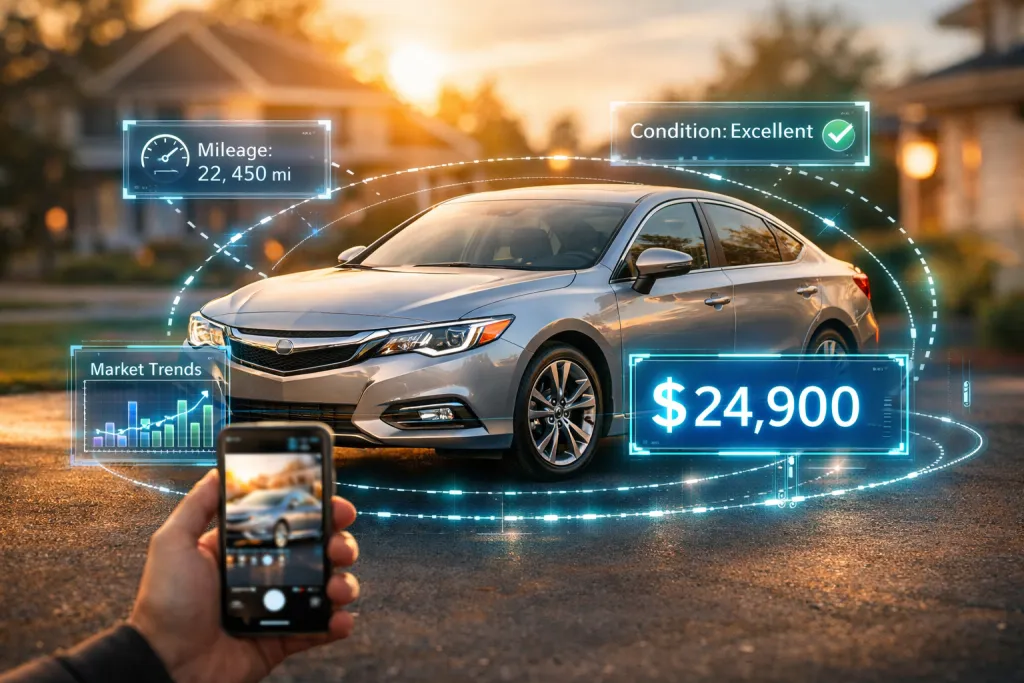
Knowing the value of your car is essential whether you plan to sell your car, trade in your vehicle, insure it, or simply track depreciation. An accurate car valuation helps you set expectations for resale value, decide whether to trade in your car or sell it privately, and understand how market trends and local market conditions impact pricing. This guide explains how car worth is calculated, the difference between types of car values, and practical steps to get the best price for your used car.
How Do I Determine the Market Value of My Car?
To determine your car’s market value, start by comparing similar vehicles in your local market. Use a car value estimator and search listings for the same make and model, mileage, and trim. Current market value reflects what buyers are paying now and depends on market demand and local market conditions.
Examples: check dealership retail value listings, private party listings, and trade-in offers. Retail value is generally higher because dealerships recondition cars; private party value is often higher than trade-in value, but requires more effort to sell it privately. Considering both retail and private party values gives a realistic range for the value of your car.
What Types of Car Values Should I Consider?
Understanding types of car values is key. These include:
- Trade-in value – offered by a dealer when you trade in your car
- Private party value – what you could fetch selling privately
- Retail value – the price a dealership charges for a comparable used car
- History-based value – adjusted for accidents, title issues, or repairs
Knowing these differences helps you decide whether to trade in your vehicle or pursue a private sale. For example, a private sale often yields the best price because you avoid dealer margins, but trading in is faster and reduces the hassle. Use consumer reports, online valuation tools, and local listings to compare these car values before deciding.
What Factors Influence the Value of My Vehicle?
Key factors that influence a car’s value include:
- Mileage
- Condition / wear and tear
- Vehicle history
- Make and model
- Age
- Local market demand
A car with low mileage and a clean service history will usually have higher resale value. Conversely, an accident or salvage title can significantly reduce a car’s worth. Market trends—like fuel prices or popularity of SUVs and electric vehicles—also affect value. Seasonal demand (convertibles in summer or 4x4s in winter) can temporarily boost market value.
How does mileage affect my car’s value?
Mileage is a major factor buyers use to assess a car’s worth. Higher mileage typically lowers resale value, but well-maintained high-mileage cars can retain good used car value when service records are complete.
Example: A vehicle with 40,000 miles may sell for more than a similar model with 120,000 miles. Always adjust trade-in value or private party value for mileage and upcoming maintenance costs.
How Does a Vehicle History Report Affect Value?
A history-based value can dramatically affect resale value. Reports showing accidents, title issues, or flood damage often reduce a car’s worth, while a clean report can increase buyer confidence and help you get approved for a higher price.
Tip: Provide the vehicle history to buyers or dealers. Transparency about maintenance or warranties often results in faster sales at a higher private party value.
Should I Trade In My Car or Sell It Privately?
Deciding whether to trade in your car or sell it privately depends on what you want to achieve.
- Private sale: Higher private party value, but more effort required
- Trade-in: Faster, more convenient, and may reduce taxes when applied to a new purchase
Consider a hybrid approach: get trade-in offers to understand dealer value, then compare with private party listings. If convenience is key, trade in; if maximizing resale value is your goal, sell privately.
How Can I Improve Trade-In Value Before Visiting a Dealer?
Small improvements can increase trade-in value:
- Fix minor mechanical issues.
- Replace burned-out bulbs
- Address cosmetic wear and tear.
- Professional detailing
- Keep maintenance records
These steps help your car appear well-maintained, boosting dealer offers and the overall value of your car.
How Do Local Market Conditions Affect Used Car Pricing?
Local market conditions heavily influence used car pricing. Supply, demand, seasonal trends, and the prevalence of vehicle types affect prices.
Example: 4x4s may retain more value in snowy areas, while convertibles may sell higher in warm climates. Research similar vehicles in your region to maximize private sale or trade-in value.
How Do Online Tools Help Get an Accurate Car Valuation?
Online car valuation tools are essential. Input your vehicle’s make, model, year, mileage, and ZIP code to get a market value estimate. Compare multiple sources since results vary.
Best practice: Combine online results with real-world listings to understand retail value, private party value, and trade-in value, ensuring a realistic range to sell a car confidently.
Which Websites Provide Reliable Used Car Value Estimates?
Reliable sources include:
- Major valuation services
- Consumer reports
- Dealership listings
Cross-check multiple sources and adjust for history-based value and condition to get an accurate car valuation. Honest reporting of your vehicle’s state prevents unrealistic expectations.
How Do Market Trends and Economic Conditions Affect Resale Value?
Market trends like rising demand for fuel-efficient cars or certain brands affect value over time. Economic conditions—interest rates, inflation, and new car availability—also influence used car pricing.
Example: New car shortages can increase the current market value of used cars. Monitor trends to sell when the market favors sellers.
What Role Do Dealerships Play in Setting Pricing?
Dealerships set retail value considering reconditioning costs, warranties, and profit margin. Their offers include overhead, so retail prices are typically higher than private party values. Knowing your trade-in value and private party value helps negotiate fairly.
How Can I Negotiate for the Best Price with a Dealer?
- Bring valuation estimates and maintenance records.
- Negotiate purchase price separately from trade-in.
- Be ready to walk away if offers don’t match expectations.
A strategic approach helps you get the best price, whether trading in or buying another used car.
How Does Selling Privately Affect Price?
Selling privately often results in a higher private party value, but requires:
- Advertising
- Vetting buyers
- Test drives
- Handling paperwork
Steps: prepare the car, list on multiple platforms, and set a realistic private party value. Though time-consuming, private sales maximize resale value.
Common Mistakes That Lower Car Value
- Overpricing beyond the current market value
- Hiding damage
- Poor presentation
- Lack of maintenance records
- Ignoring local market trends
Avoid these to achieve maximum resale value.
How to Accurately Assess Your Car’s Value Before Selling or Trading
- Use multiple car value estimators.
- Check similar vehicles in the local market.
- Evaluate condition, mileage, and history.
- Monitor market trends
This provides a realistic range of trade-in, private party, and retail value to plan your selling strategy.
How Will the Value of a Car Change Over Time?
Some makes and models retain value better due to reliability, reputation, and demand. Depreciation is steepest in early years but slows with low mileage and good maintenance. Research vehicles with strong resale value if a future trade-in or private sale is important.
Key Takeaways
- Car value depends on trade-in, private party, and retail value.
- Mileage, condition, history, make, model, and local market heavily influence a car’s worth
- Use multiple sources and local listings for an accurate car valuation.
- Private sales yield the highest resale value; trade-in offers convenience.
- Small repairs, detailing, and records improve trade-in and private party values.
- Monitor market trends and economic conditions to sell at the right time.
When ready to sell or trade in your vehicle, work with trusted local dealerships like Olympic Auto Sales in Decatur, GA. They provide transparent appraisals, local market insights, and help balance convenience with getting the best price for your used car.
5 Ways In-House Financing at Olympic Auto Sales Helps You Build Credit & Get Approved

Buying a vehicle is one of the biggest financial steps many car buyers will take. Whether you’re shopping for your first used car or trying to recover from past credit challenges, the right finance strategy can make all the difference. In today’s automotive market—where interest rates, approval standards, and lender requirements can be strict—in-house financing offers an alternative path to car ownership and credit improvement.
If you’ve struggled with low credit, no credit history, or previous loan denials, understanding how auto sales, dealer-managed auto loan programs, and top in-house financing options work can help you make a smart, informed decision. Let’s explore how Olympic Auto Sales’ in-house financing can help you secure an easy car loan, rebuild your auto credit, and move confidently toward your next vehicle purchase.
- How Does In-House Financing Auto Loan Approval Differ from Traditional Finance?
Traditional financing usually involves a third-party traditional bank, credit union, or other financial institutions. In that scenario, the dealership submits your loan application to outside traditional lenders, who evaluate your credit score, credit history, and debt-to-income ratio before issuing approval.
With in-house financing, the process works differently:
- The dealer acts as the lender
- The auto loan is managed directly through the dealership
- Approval, payment plans, and servicing happen in one place
This streamlined process simplifies the car buying experience. Instead of waiting days for traditional auto loans to be approved, many car buyers receive faster decisions directly through the dealership. For borrowers with bad credit or low credit, this can mean the difference between getting approved or being denied.
Compared to traditional bank loans, in-house financing dealerships often consider:
- Employment stability
- Income consistency
- Overall financial situation
- Ability to make manageable monthly payments
This flexibility allows more car buyers to qualify—even if they wouldn’t qualify for traditional financing.
- Why Do Many Car Buyers Choose In-House Financing Dealerships?
Many car buyers turn to financing car dealers because they need accessible financing options. Whether you’re rebuilding from past credit issues or starting fresh with limited credit history, in-house financing offers opportunity.
Key reasons buyers choose dealer-managed auto credit solutions include:
Easier approval process
Faster response times
Flexible payment options
Simplified loan application
One-stop vehicle purchase experience
Unlike traditional lenders who rely heavily on automated underwriting systems, in-house financing dealerships often use a more personalized review. This human approach helps you get approved based on your real-life circumstances—not just your credit score.
For those seeking a practical way to purchase a vehicle and begin building auto credit, in-house financing offers a solution tailored to real-world financial challenges.
- Can In-House Financing Help You Rebuild Auto Credit with Timely Payments?
Absolutely. One of the biggest benefits of in-house financing is its potential to help you get back on track financially.
Your payment history makes up the largest portion of your credit score. When you make timely payments on your auto loan and the dealership reports those payments to major credit bureaus, your credit score can steadily improve.
Here’s how it works:
- You secure a used car through in-house financing
- You make regular monthly payments
- Payments are reported to credit bureaus
- Your credit history reflects consistent responsible borrowing
Over time, this positive activity can offset past credit mistakes. Even buyers with poor credit can gradually rebuild their financial profile by making consistent, on-time payments.
Always confirm that the dealership reports to major credit bureaus. Without reporting, your payment history won’t help improve your credit score.
- How Do Flexible Payment Plans Make It Easier to Build Credit?
A loan only helps you build credit if you can manage it responsibly. That’s where flexible payment plans become essential.
In-house financing offers:
- Customizable loan term lengths
- Structured monthly payments based on income
- Down payment and trade-ins consideration
- Payment options aligned with your pay schedule
When payments are realistic and manageable, you’re far less likely to miss a due date. Avoiding missed payments protects your credit and keeps your credit-building strategy on track.
Longer loan terms may reduce monthly payments, while shorter terms may reduce total interest paid. The key is selecting a structure that fits your financial situation without strain.
Setting up automatic payments is another smart strategy. It ensures regular payments and prevents accidental late fees that could harm your credit.
- Is Buy Here Pay Here a Smart Option for Bad Credit Car Buyers?
Buy here pay here (BHPH) dealerships are a form of in-house financing where the dealership acts as both seller and lender.
For buyers with bad credit or low credit, BHPH can:
- Eliminate traditional lender barriers
- Provide faster approval
- Offer direct communication with the finance team
- Allow vehicle purchase even after past credit setbacks
Yes, interest rates may be higher compared to traditional financing. That’s because dealerships assume more risk when approving borrowers with credit challenges.
However, the trade-off is access to:
- Reliable used vehicles
- Immediate car ownership
- A path toward rebuilding auto credit
When managed responsibly, buy here pay programs can serve as stepping stones toward better future financing.
- What Should You Look for in a Top In-House Financing Dealer?
Not all in-house financing offers are equal. Smart car buyers should evaluate dealerships carefully.
Before signing, verify:
- Does the dealership report to credit bureaus?
- What is the APR and interest rate?
- Are all fees clearly disclosed?
- Are payment options flexible?
- Is the vehicle selection reliable?
Transparency matters. A reputable dealership will clearly explain:
- Loan term
- Total cost of the auto loan
- Monthly payments
- Approval process
- Pre-approval form availability
Choosing a reliable vehicle is equally important. Unexpected repairs can disrupt your ability to make payments, damaging both your finances and your credit score.
- How Do Trade-Ins Improve Your In-House Financing Terms?
Trade-ins can significantly reduce the total amount financed.
Benefits of trade-ins include:
- Lower loan amount
- Reduced monthly payments
- Improved approval odds
- Lower financial strain
When you apply trade-in value toward your vehicle purchase, you reduce risk for both yourself and the dealership. Smaller loan amounts make payments more manageable, increasing the likelihood of timely payments.
For car buyers working to rebuild credit, this is a smart strategy to protect payment history and maintain steady progress.
- Will In-House Financing Affect Your Credit Score Differently Than Traditional Loans?
When properly reported, in-house financing impacts your credit score similarly to traditional auto loans.
A well-managed in-house auto loan can:
- Improve payment history
- Add installment loan diversity
- Demonstrate responsible borrowing
- Strengthen your credit profile
The primary difference often lies in interest rates. Borrowers with low credit may see higher APR compared to traditional lenders.
However, interest rate alone doesn’t affect your credit score—payment behavior does. Making payments on time is what drives improvement.
- When Should You Refinance an In-House Auto Loan?
Refinancing becomes beneficial when:
- Your credit score improves
- You qualify for lower interest rates
- You can secure competitive rates from financial institutions
- You want to reduce monthly payments
After 6–12 months of consistent timely payments, many borrowers see measurable credit improvement. At that point, refinancing through a traditional bank or credit union may offer:
- Lower APR
- Shorter loan term
- Reduced total interest paid
Refinancing your next vehicle purchase becomes easier once your credit strengthens.
- How Does In-House Financing Support First-Time Buyers and Those Without Credit?
First-time buyers often struggle to qualify for traditional loans because they lack credit history.
In-house financing helps by evaluating:
- Income stability
- Employment history
- Overall financial situation
- Down payment capability
This makes it easier for many car buyers to establish auto credit for the first time.
By making regular payments, first-time buyers build credit history that supports future traditional auto loans and other financial goals.
5 Ways Olympic Auto Sales’ In-House Financing Helps You Build Credit
Here’s a simplified breakdown:
- Simplifies the approval process compared to traditional bank loans
- Reports timely payments to credit bureaus (when applicable)
- Offers manageable payment plans aligned with your income
- Accepts trade-ins to reduce loan amounts
- Creates a pathway to refinancing and lower APR in the future
Frequently Asked Questions (FAQ)
How fast can I get approved with in-house financing?
Many in-house financing dealerships offer same-day approval after submitting a loan application and required documents.
Can I qualify with bad credit?
Yes. In-house financing is designed to help buyers with bad credit, poor credit, or past credit challenges get approved.
Does in-house financing always report to credit bureaus?
No. Reporting policies vary. Always confirm reporting before signing.
What documents are required for approval?
Typically:
- Valid ID
- Proof of income
- Proof of residence
- Proof of insurance
- Trade-in information (if applicable)
Can I refinance later?
Yes. After building positive payment history, many borrowers refinance through traditional lenders to secure lower interest rates.
Key Takeaways
- In-house financing provides an option outside of traditional lending methods.
- Timely payments are essential for building credit.
- Flexible payment plans improve affordability.
- Trade-ins reduce loan amounts and financial risk.
- Refinancing becomes possible after credit improvement.
- Always verify credit bureau reporting before signing.
For car buyers seeking a practical path to car ownership and credit improvement, Olympic Auto Sales provides flexible in-house financing designed to meet real-world needs. As a trusted used car dealer in Decatur, GA, they offer car financing solutions that simplify the approval process and support responsible borrowing. If you’re searching for fast approval car financing in Decatur, GA, Olympic Auto Sales delivers a streamlined process, supportive finance team, and reliable used vehicles to help you build auto credit and move confidently toward your next vehicle purchase.
Explore the Best Used SUVs for Georgia Road Trips and Daily Driving
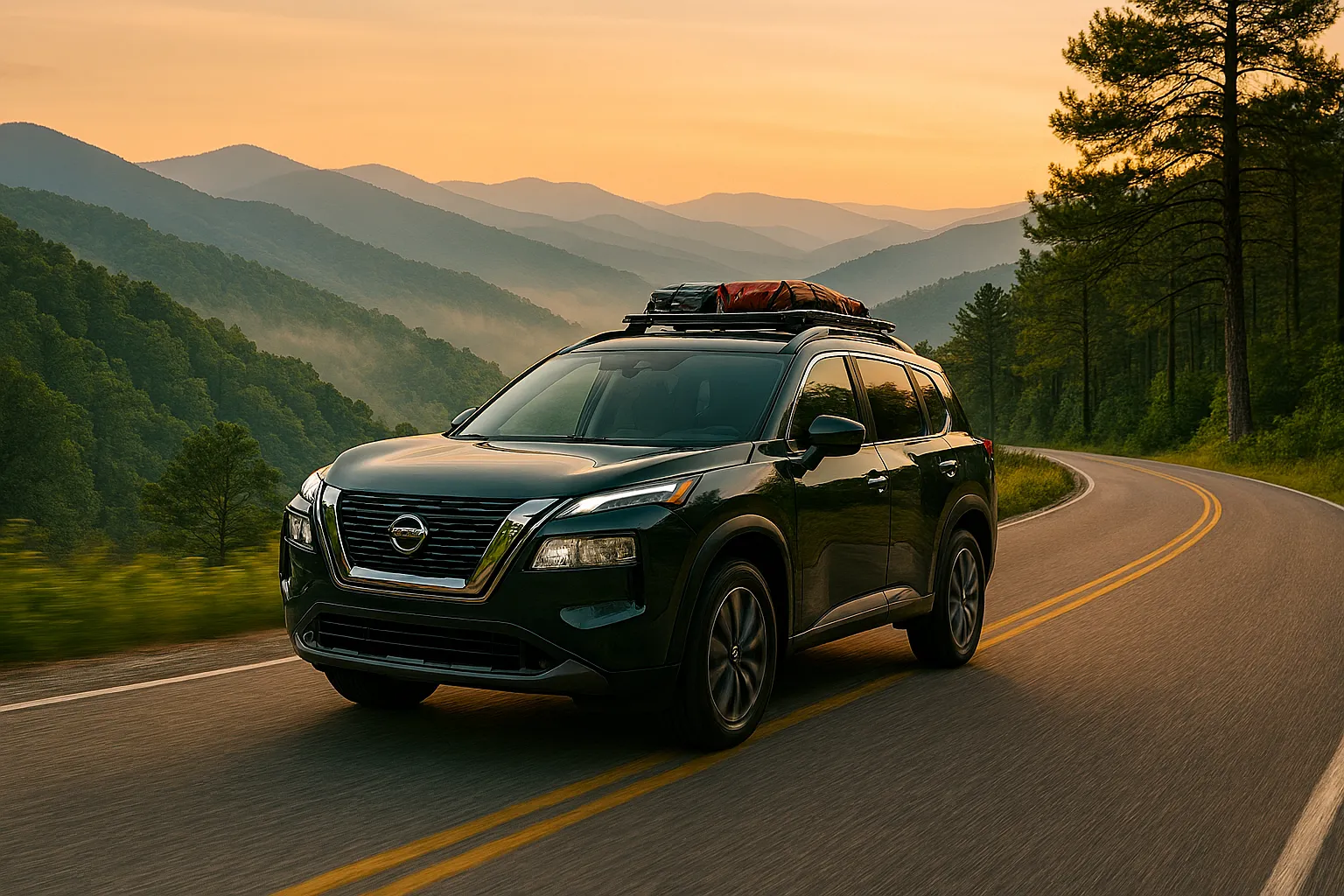
Choosing the right used SUV for Georgia road trips this summer means balancing reliability, fuel economy, interior space, and safety features. Whether you need a family SUV with three-row seating, a compact SUV for improved fuel efficiency, or a mid-size SUV with V6 power for towing and navigating hills, this guide helps you find the best used options. We’ll highlight dependable models, what to inspect when shopping for a used car, and how to prioritize comfort for long family trips across GA.
Which used SUVs offer top reliability for Georgia road trips?
When exploring the best reliable used SUVs for GA road trips, brand reputation and reliability scores matter. Toyota and Honda consistently appear at the top for dependability—models like the Toyota Highlander and Honda CR-V deliver strong reliability ratings and low maintenance costs. These best-selling SUVs often feature proven powertrains, durable interiors, and excellent safety features that make them ideal for both road trips and daily driving.
Look at reliability ratings, maintenance history, and model year updates when shopping for a used SUV. Certified pre-owned options and vehicles with a clean service record are smart choices. A dependable used vehicle should offer a smooth ride, good gas mileage, and user-friendly infotainment systems like Apple CarPlay® and Android Auto™ to keep passengers entertained on long drives.
Which best used midsize SUVs have the most interior space and cargo?
Midsize SUV models such as the Toyota Highlander, Honda Pilot, and Chevrolet Traverse are top picks when you need cargo space and a spacious cabin. These family SUV options often offer three-row seating and ample cargo behind the third row for family trips. If you frequently pack for road trips, prioritize models with a spacious interior, elevated ground clearance, and fold-flat rear seats for versatile cargo configurations.
Key features to look for include spacious cabin dimensions, cargo space measurements, and a comfortable third row or foldable seats. The Chevrolet Traverse and Honda Pilot typically provide generous interior space and a smooth ride, making them ideal for families who value room and comfort on Georgia highways and mountain routes.
Which compact SUV choices deliver the best fuel economy for summer road trips?
Compact SUV models like the Honda CR-V and Mazda CX-5 offer excellent fuel efficiency and dependable performance for long GA drives. If good gas mileage and lower fuel costs are priorities, compact SUVs deliver a balance of fuel economy, comfortable cabins, and responsive handling. Many compact models also include advanced safety features and user-friendly infotainment systems to keep the trip safe and enjoyable.
Consider versions with efficient four-cylinder engines, and check official fuel economy numbers and real-world owner reports. Compact SUVs are a great choice for couples or smaller families taking frequent road trips and seeking affordable used vehicles with low maintenance costs and reliable used performance.
Which three-row pre-owned SUVs are best for family trips in GA?
For families needing three-row seating, the Honda Pilot, Toyota Highlander (older model years with three-row), and Chevrolet Traverse stand out. These pre-owned suv models offer space and advanced safety features, making them a smart choice for family trips across Georgia. Look for models with third row comfort, easy-access seats, and features like heated seats and leather upholstery for a more pleasant ride on long routes.
When searching for vehicles for family use, prioritize safety ratings, dependability, and ample cargo behind the third row. The Honda Pilot and Chevrolet Traverse are known for dependable V6 engines and a reputation for longevity, while the Toyota Highlander combines strong reliability with excellent safety scores to give families peace of mind on the road.
Which used SUV models offer the best blend of safety and advanced safety systems?
Advanced safety features should be high on your list when shopping for a used SUV. Look for models with great safety scores, advanced safety features such as blind-spot monitoring, lane-keep assist, automatic emergency braking, and strong crash test ratings. Toyota and Subaru models, along with certain Honda trims, consistently rate well for safety and offer modern driver-assist tech in many model years.
Certified pre-owned options often include manufacturer-backed inspections and extended warranties that verify safety systems are in good working order. Prioritize vehicles with documented safety feature functionality and up-to-date recall repairs to ensure a secure and reliable used car for your Georgia road trips.
Which reliable used SUVs handle Georgia terrain and weather best?
All-wheel drive and elevated ground clearance are important for exploring Georgia’s varied terrain, from coastal roads to mountain highways. Subaru’s all-wheel drive system, Toyota’s available AWD on many Highlander trims, and AWD variants of the Honda CR-V provide better traction and stability in wet or uneven conditions. These features help ensure a safer and more stable ride during summer storms or when venturing into hilly regions.
Consider models with dependability, good ground clearance, and a reputation for longevity when choosing a vehicle for mixed driving conditions. The Subaru lineup is a great option for those who value standard all-wheel drive, while Toyota and Honda midsize SUVs offer dependable AWD systems and robust powertrains for family travels and light-off-road excursions.
Which used SUVs are the best value for affordable and reliable pre-owned choices?
If affordability and low maintenance costs are priorities, look for used SUVs with strong dependability ratings and lower ownership costs. Models like older Toyota Highlander, Honda CR-V, and Mazda CX-5 examples often provide a balance of reliability, fuel efficiency, and resale value. These best pre-owned cars are known as dependable family cars that maintain value while offering a comfortable cabin and practical cargo space.
Shopping for a used vehicle at reputable dealers or certified pre-owned programs can lower risk and provide additional warranty coverage. When choosing an affordable SUV, examine the powertrain history, service records, and any known model-year issues to make a smart, budget-conscious decision for summer road trips and daily commuting alike.
Which used SUV models provide a luxurious or tech-forward cabin experience?
For buyers seeking leather upholstery, heated seats, and a user-friendly infotainment system, higher-trim versions of the Mazda CX-5, Toyota Highlander, and Honda Pilot often include premium features. Many of these models offer Apple CarPlay® and Android Auto™ (user-friendly infotainment), advanced audio systems, and comfortable seating materials that make long drives more enjoyable for passengers.
Luxury-feeling features in used SUVs can be found without new-car prices by targeting specific trims and model years. Consider the infotainment system responsiveness, interior space, and features like heated seats and driver-assist tech when evaluating pre-owned options to ensure a comfortable, tech-forward travel experience.
Which reliable used midsize suv options offer strong power and towing capability?
Midsize SUV models with V6 engines, like the Honda Pilot and Chevrolet Traverse, deliver the power and towing capacity needed for campers, trailers, or boats during summer family trips. These models typically offer a smooth ride and the extra muscle for hill climbs and highway merging, while also providing a spacious interior for passengers and cargo.
When selecting a used midsize SUV for towing, verify the condition of the powertrain, transmission, and cooling systems. Look for models with towing packages, proven V6 engines, and solid reliability scores; these factors contribute to overall dependability and make the vehicle a solid choice for extended road trips or hauling gear across Georgia.
Which factors should I prioritize when choosing the right pre-owned SUV for Georgia?
When choosing the right pre-owned SUV, focus on reliability ratings, safety features, fuel economy, interior space, and service history. Consider whether you need a three-row family SUV, a compact for better fuel efficiency, or a midsize SUV with a V6 engine for towing. A vehicle that balances dependability, comfortable interior space, and advanced safety systems will serve well for both road trips and daily commutes in GA.
Other practical considerations include certified pre-owned options, dealership warranties, and a thorough inspection that covers the powertrain, brakes, suspension, and infotainment system. Choose models known for longevity—Toyota, Honda, Subaru, Mazda, and Chevrolet often appear on lists of the best used suvs for a reason—offering a mix of value, reliability, and comfort for family travel.
Which used car dealer options can help me find the best pre-owned SUV in GA?
Working with a reputable used car dealer that offers a wide selection and certified pre-owned options simplifies the process of searching for vehicles. Dealers that provide detailed vehicle history reports, thorough inspections, and transparent pricing help buyers choose reliable used SUVs with confidence. Look for dealers with positive reviews and a strong local presence in GA to make test drives and service convenient.
Local dealers often have a rotating inventory of best used SUVs, including midsize SUV and compact suv options, and can assist with financing and warranty packages. Explore dealer inventories online, schedule test drives, and compare make and model options to find the best pre-owned car that meets your family’s needs for space, safety, and fuel efficiency.
How can I inspect and test drive a used SUV to ensure I’m choosing a dependable vehicle?
Before finalizing a purchase, inspect the exterior and interior for signs of wear, check the tires and brakes, and test all infotainment and safety systems. Take a comprehensive test drive that includes highway speeds and local roads to evaluate the smooth ride, transmission shifts, and suspension comfort. Confirm that features like Apple CarPlay® and Android Auto™, and advanced safety features are fully functional.
Obtain a vehicle history report, review maintenance records, and consider a pre-purchase inspection by an independent mechanic. Check dependability markers such as service consistency, absence of major accidents, and a solid reliability score for the make and model year. These steps help ensure you’re getting a reliable used SUV that will perform well for long road trips and everyday use.
Which used SUV models make the top 5 list for Georgia road trips this summer?
After evaluating reliability, interior space, fuel economy, and family-friendly features, the top 5 best used suvs for Georgia road trips often include: 1) Honda CR-V (compact suv with excellent fuel economy and reliability), 2) Toyota Highlander (midsize suv with three-row options and strong reliability), 3) Honda Pilot (spacious family suv with V6 power and third row), 4) Chevrolet Traverse (roomy three-row midsize suv with ample cargo), and 5) Subaru Outback or Forester (standard all-wheel drive and dependable handling for varied terrain).
Each model offers a different balance of cargo space, interior comfort, safety ratings, and fuel efficiency. The Honda Pilot and Toyota Highlander are great for families needing three rows and a smooth ride, while the CR-V and Mazda CX-5 appeal to those seeking excellent fuel efficiency and a user-friendly infotainment system. The Chevrolet Traverse stands out for its interior space and cargo capacity for large family trips.
Which maintenance tips will keep my used suv dependable for long road trips?
Regular maintenance is key to keeping your used SUVs dependable on long road trips. Follow the manufacturer’s service schedule for oil changes, transmission service, brake inspections, and cooling system checks. Pay attention to tires, alignment, and suspension components to preserve a smooth ride and optimal fuel economy during extended driving in GA.
Before a major trip, inspect the battery, belts, hoses, and fluids. Keep a roadside emergency kit, and ensure the infotainment and navigation systems are updated for route planning. Proper maintenance and pre-trip checks reduce the chance of breakdowns and help your family enjoy stress-free road trips in a reliable used vehicle.
Which improvements or add-ons can enhance my used SUV for summer road trips?
Consider practical upgrades like roof racks, cargo organizers, all-weather floor mats, and towing packages if you plan to haul trailers. Adding advanced infotainment accessories or ensuring existing Apple CarPlay® and Android Auto™ connectivity improves entertainment options. For comfort, heated seats or upgraded upholstery can make early-morning starts and long drives more enjoyable for passengers.
Other useful add-ons include upgraded tires for better traction, a roof cargo box for extra gear, and portable power solutions for devices. These enhancements, along with routine maintenance, increase the usability and comfort of your pre-owned SUV for family trips and outdoor adventures across Georgia.
Key takeaways
- Focus on reliability, safety ratings, and service history when choosing the best used SUVs for Georgia road trips.
- Top family options include Honda Pilot, Toyota Highlander, Chevrolet Traverse, Honda CR-V, and Subaru models for a mix of space, fuel efficiency, and AWD capability.
- Prioritize models with ample cargo space, spacious cabin, and user-friendly infotainment like Apple CarPlay® and Android Auto™.
- Certified pre-owned options and reputable used car dealers reduce risk and often include warranty coverage and inspections.
- Perform thorough inspections, obtain vehicle history reports, and consider a pre-purchase mechanic check to ensure a dependable used vehicle.
- Regular maintenance and smart add-ons (roof racks, cargo organizers, upgraded tires) enhance comfort and functionality for family trips.
Choosing the right used suv for summer road trips and daily driving in GA is about matching your family’s needs—cargo space, third row seating, fuel economy, and safety—with a dependable make and model. For shoppers in the area, Olympic Auto Sales, a Used Car Dealer in Decatur, GA, offers a wide selection of used SUVs, certified pre-owned options, and helpful staff to guide you toward reliable used SUVs and the best pre-owned cars. Whether you need a pre-owned SUV with a V6 engine, advanced safety features, or excellent fuel efficiency, Olympic Auto Sales can help you explore the inventory and find a dependable used vehicle for family trips, road trips, and everyday driving.
Are Used Car Prices Going Up? Understanding Used Car Prices and the Wholesale Market

Used car prices have been top-of-mind for shoppers, dealers, and automakers alike as market shifts, inflation, and supply disruptions change affordability. Whether you’re thinking to buy a car in 2025 or 2026, tracking the used market versus new vehicle pricing, wholesale trends, and dealership inventory is essential. This guide answers common questions buyers ask about the used car market, helps you shop around, and explains what to expect for prices, financing, and models to consider.
- Are used cars getting more expensive than new cars for shoppers?
Over the past few years, used car prices and average price metrics rose significantly—driven by tight inventory, higher demand for used vehicles, and disruptions from the covid-19 pandemic. While new car prices also climbed (average new car prices and new models are often pricier because of added tech and supply chain costs), the relative movement has often made some used cars more expensive than comparable new or used listings from prior years. Data from sources like Cox Automotive and the Manheim used vehicle value index show wholesale prices and retail averages moved up year over year since the summer of 2023.
For the shopper, that means the decision to buy new or used requires comparing total cost of ownership: monthly payments, car loan interest, and warranty coverage. New car shoppers facing high new car prices and limited incentives may pivot to the used market, increasing demand for used vehicles and pushing prices higher—so it’s not always a simple new or used choice.
- Is the demand for used vehicles still strong into 2026?
Demand for used vehicles remains strong as buyers prioritize affordability and lower depreciation risk. Factors such as higher federal funds rate and elevated car loan interest have nudged shoppers toward the used market where sticker prices may be lower and some vehicles have already taken the steepest depreciation. Cox Automotive and industry analysts note total used vehicle sales remained resilient even when wholesale prices fluctuated.
High demand for trucks, SUVs, and reliable sedans (like Camrys and Civics) keeps the market competitive. Dealerships and wholesale auctions often report vehicles priced aggressively due to tight inventory, which can sustain higher used car prices in certain segments, especially full-size pickups and popular SUVs.
- How do new car prices affect the prices of used cars and the auto marketplace?
New car prices influence the used car market in several ways. When new-vehicle prices and new models are expensive, new car shoppers may delay buying or shop used, boosting demand and pushing used-vehicle prices up. Conversely, an influx of trade-ins from buyers who can afford new purchases can increase used supply and put downward pressure on retail used car prices.
Shoe-string-affordability for many buyers means the marketplace balances between higher average new car prices and the relative value of used cars. Automaker incentives, tariffs, and supply chain improvements can shift this balance quickly—so shoppers should monitor pricing trends and industry data for the best time to buy a car.
- Are wholesale prices driving retail used car prices higher?
Wholesale prices are a leading indicator for retail used car prices because dealerships source much of their inventory from auctions and trade-ins. When wholesale prices rise—often tracked by the Manheim used vehicle value index—dealerships face higher acquisition costs and may raise retail prices accordingly to maintain margins. This connection explains why retail used car prices sometimes lag behind wholesale moves but eventually reflect the same trend.
Dealers that can buy smart or have direct leasing returns may mitigate price increases. For buyers, watching wholesale indicators like Manheim and reports from Cox Automotive helps forecast price movement and decide whether it’s a better time to shop around or wait for inventory to normalize.
- How do gas prices and fuel trends affect the used car market?
Gas prices and the rise of EVs influence buyer preferences and, consequently, the value of certain used vehicles. Higher gas prices typically boost demand for fuel-efficient cars and compact hybrids, increasing their resale values relative to gas-guzzling full-size pickups. Meanwhile, rising interest in EVs affects used market dynamics for both electric and traditional internal combustion engine vehicles.
Shoppers should weigh fuel cost trends and long-term ownership costs when evaluating used cars. Affordability isn’t just purchase price—fuel, insurance, and expected maintenance all factor into the marketplace choices buyers make.
- Should I buy now or wait—what is the time to buy used cars?
Deciding whether it’s the time to buy depends on personal budget, need, and market conditions. If you need reliable transportation immediately, rolling the dice on price fluctuations isn’t wise; instead, shop around multiple dealerships and online marketplaces to find the best deal. If you can wait, monitoring used car prices for seasonal trends (end of year, new model launches) and wholesale movements may yield better affordability.
Use negotiation strategies such as getting pre-approved for a loan, checking Kelley Blue Book values, and comparing offers from multiple used car dealers. Keep an eye on loan interest rates—if federal funds rate hikes or loan interest rates increase, monthly payments could rise, so timing with financing matters as well.
- Do tariffs, trade policy, or global events push used car prices?
Tariffs, trade policy, and global conflicts can disrupt production and parts supply, indirectly affecting both new and used car prices. For example, supply chain constraints can limit production of new models, reducing new vehicle inventory and causing some buyers to turn to the used market, increasing demand and used car prices. Similarly, geopolitical events that spike gas prices or impact parts shipments can change vehicle affordability and the types of vehicles shoppers pursue.
Dealers and automakers monitor these factors closely. When disruption occurs, expect volatility in inventory and pricing—shoppers should be prepared to act quickly when good deals appear and confirm vehicle history and condition thoroughly.
- What cars should I consider—which models hold value best in the used market?
When evaluating models, prioritize vehicles known for reliability, strong resale value, and broad demand. Common models that tend to hold value include: Toyota Camry (reliability, fuel efficiency), Honda Civic (compact efficiency, low maintenance), Toyota RAV4 and Honda CR-V (compact SUVs with solid resale), Ford F-150 and Chevrolet Silverado (full-size pickups with strong demand), Subaru Outback and Forester (all-weather capability), Hyundai Elantra and Sonata (value and warranty), Nissan Rogue (compact SUV market), and Jeep Wrangler (off-road desirability).
Features to look for across these models: fuel efficiency (or EV capability), advanced safety tech, low mileage, complete maintenance records, and popular trim levels that maintain demand. These attributes often translate to better resale and lower depreciation—important given current higher used car prices.
- How should I shop for financing and avoid high monthly payments?
To manage monthly payments amid higher used and new car prices, shop for competitive financing. Get pre-approved from banks or credit unions to compare with dealership offers. Consider shorter loan terms to avoid paying excessive interest over time, and aim for a larger down payment to reduce monthly payments. Check whether buying new or used fits your budget: new cars may come with promotional financing, but higher new car prices can negate that benefit.
Also, factor in the total cost of ownership—insurance, maintenance, and fuel—when calculating affordability. If inflation and loan interest rates are pushing monthly payments up, focus on vehicles with lower maintenance expectations and better fuel efficiency to protect your budget.
- How can I find the best deals at dealerships, auctions, and online marketplaces?
Finding the best deals requires a mix of research and timing. Use Kelley Blue Book and online marketplaces to set price expectations, monitor dealer listings, and check wholesale indicators like Manheim values to understand supply trends. Shop around multiple dealerships and consider certified pre-owned options for extra peace of mind. When visiting a dealer, obtain a vehicle history report and inspect for wear and maintenance consistency.
Tips checklist: 1) Pre-approve your loan; 2) Compare offers from local dealers and online platforms; 3) Factor in trade-in value separately; 4) Negotiate based on data (KBB, Manheim, Cox Automotive reports); 5) Shop at month-end or model-changeover periods for better discounts.
Models and Features to Consider Across Segments
Instead of focusing on a single model, consider this list of popular used models and the features that give them lasting appeal:
- Toyota Camry – reliability, fuel-efficient engines, advanced safety suites
- Honda Civic – low maintenance, compact efficiency, modern infotainment
- Toyota RAV4/Honda CR-V – compact SUV versatility, resale value, hybrid options
- Ford F-150/Chevrolet Silverado – full-size pickup capability, towing packages, strong demand
- Subaru Outback/Forester – AWD capability, durability, safety features
- Jeep Wrangler – off-road pedigree, strong enthusiast demand
- Hyundai Sonata/Elantra – value pricing, long warranties, tech features
- Nissan Rogue – family-friendly features, comfortable interior
- Volkswagen Tiguan – European driving feel, practicality
- Tesla Model 3/Y (used EVs) – electric range, software updates, low running costs
Features that matter most: reliability ratings, fuel or EV range, maintenance history, safety ratings, and trim that includes desirable tech. These cross-model features help mitigate higher used car prices by ensuring long-term value.
Summary: Are Used Car Prices Going Up?
Used car prices rose sharply in recent years due to tight inventory, high demand for used vehicles, and supply chain disruptions, and some of that pressure has continued into 2025 and 2026. New car prices and wholesale movements influence retail used prices, while factors like gas prices, tariffs, and loan interest rates affect shopper behavior and affordability. For buyers, the best approach is to research, shop around, and compare financing to find the right balance of price, features, and reliability.
If you’re actively looking, local dealerships remain a valuable resource. For example, Olympic Auto Sales, a Used Car Dealership in DECATUR, GA, offers a range of used cars for sale and experienced used car dealers who can help you navigate the current marketplace. When working with an established dealership, look for transparent pricing, vehicle history reports, and financing options that fit your budget—so you can confidently buy a car that meets your needs even when used car prices feel uncertain.
FAQ’s
- Are used car prices going up in 2026?
Yes, used car pricesremain elevated due to strong demand, limited inventory, and higher wholesale costs. - Why are used cars sometimes as expensive as new cars?
High demand, supply shortages, and rising new car prices can push used car values closer to new vehicle pricing. - What affects used car prices the most?
Wholesale market trends, interest rates, fuel prices, and vehicle demand are the biggest price drivers. - Is it better to buy a used car now or wait?
It depends on your need—buynow if necessary, but waiting may help if inventory improves and prices stabilize. - Which used cars hold their value best?
Toyota, Honda, Ford trucks, and Subaru models typicallyretain value due to reliability and strong demand.
Manual Transmission Making a Comeback in 2026: Is the Stick Shift Returning for Enthusiasts?
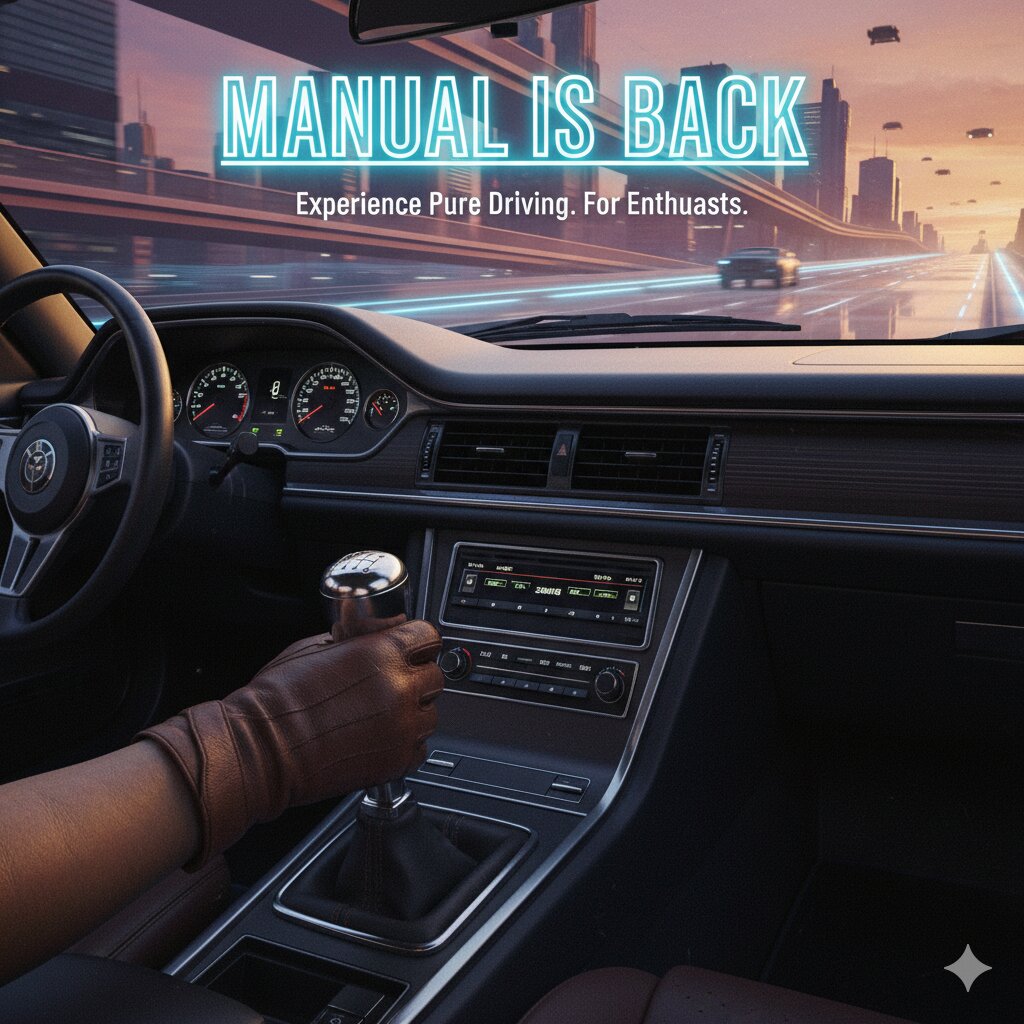
The debate of manual vs automatic is heating up again as 2026 approaches. For driving enthusiasts and everyday buyers alike, the availability of a manual car or stick shift option affects purchase decisions, resale value, and the sheer joy of driving. This article explores whether manual is making a comeback in 2026, the future of manual cars in the U.S., which models still offer a manual transmission, and what buyers should consider when choosing between manual and automatic cars.
Is the manual transmission seeing renewed interest in 2026?
Across the automotive world, manual transmission sales have seen a modest resurgence as car enthusiasts and manual buyers seek a more engaging driving experience. While automatic sales and dual-clutch automatics dominate new cars and automatic cars remain the mainstream choice, several models in the U.S. continue to offer manual options. Manual cars are seeing renewed popularity among drivers who value greater control, a more engaging driving experience, and potentially lower long-term maintenance expenses.
2026 may not mark a full return to stick shift dominance, but the significant comeback for manual cars lies in niche markets—sports car buyers, compact enthusiast cars, and certain pickup or performance trims. Manual transmission isn’t for everyone, especially as electric cars and continuously variable transmissions gain share, but the manual option remains a sought-after transmission option for many driving enthusiasts.
Which sports car manufacturers are expected to continue offering manual transmissions in 2026?
Several sports car makers like Porsche, BMW, Mazda, Toyota, and Nissan have publicly supported manual transmissions in enthusiast trims. Porsche continues to offer a manual with certain 911 and Porsche 718 models for buyers who want a traditional manual gearbox experience. BMW M models such as the M2 and M4 have also historically offered manual versions or special trims to satisfy manual buyers and maintain performance heritage.
Mazda continues to champion the manual car with the Miata and Mazda’s lightweight sports offerings, while Toyota has kept manual options alive in the GR Supra lineup and GR Corolla. Nissan Z and the GR86 from Subaru/Toyota collaborations also appeal to stick shift drivers. These brands acknowledge that offering a manual transmission retains core car enthusiasts and fuels excitement around new manual sports cars in 2026.
Are manual buyers influencing manufacturers to offer manual options?
Yes, manual buyers—often vocal car enthusiasts—are influencing automakers to preserve manual transmission choices. Manufacturers track manual transmission sales and enthusiast engagement; when enough buyers favor stick shifts over automatics in performance trims, brands respond by offering a manual available in select models. Manual buyers typically include those seeking a manual driving experience, drivers who enjoy driving a manual car for weekends, and collectors aiming to own a new manual car before manuals become rarer.
This feedback loop means models with strong enthusiast followings—such as the Honda Civic Type R, Toyota GR Corolla, and Porsche 911—may continue to offer manual options. However, the number of models offering a manual transmission remains limited relative to automatic sales, reflecting a balance between enthusiast demand and broader market trends toward automatic cars and electric vehicles.
Which new cars in 2026 will likely offer a manual transmission option?
Several models expected to have a manual version or continue a manual tradition include: Mazda Miata (manual gearbox, lightweight driving), Toyota GR Supra and Toyota GR Corolla (manual and stick shift variants on specific trims), Nissan Z (manual available), Subaru BRZ/GR86 (manual sports car focus), Porsche 911 and Porsche 718 (manual variants for purists), BMW M2 and M4 (manual option or special editions), Honda Civic Type R (manual-focused), Acura Integra (manual offered in sport trims), Chevrolet Camaro/Muscle cars (manual versions), and Ford Mustang (manual options on many trim levels).
These models typically offer 6-speed manual gearboxes or even 6-speed manuals with rev-matching and driver aids. Buyers seeking a new manual car in 2026 should check manufacturer configurations as availability can vary by trim and region. Car enthusiasts should also consider dual-clutch automatic offerings where performance-oriented drivers sometimes prefer dual-clutch automatic tech for faster shifts, though many still favor manual driving enjoyment.
What features do manual sports cars typically offer compared to automatic sports cars?
Manual sports cars often include features geared toward driver engagement: short-throw shifters, rev-matching, lightweight flywheels, and tuned clutches for spirited driving. Examples across models include: Porsche 911 manual with refined gear engagement and driver aids, Mazda Miata with a simple, responsive 6-speed manual and light chassis, Toyota GR Corolla with a performance-oriented manual gearbox, and Nissan Z offering a manual with a robust clutch and sport-tuned shift linkage.
Automatic sports cars, including those with dual-clutch automatic systems, emphasize quick shift times, consistent lap times, and convenience. Dual-clutch automatics can outperform many manual gearboxes in downshifts and acceleration but often sacrifice the tactile involvement that manual drivers cherish. For many driving enthusiasts, the manual transmission remains a defining feature of the sports car experience.
How does owning a manual car affect used car buyers and used car dealers?
For used car buyers, owning a manual car can be a rewarding choice. Manuals often have lower purchase prices in the used market because many buyers opt for automatics, but stick shift cars can be increasingly desirable to enthusiasts and collectors, pushing prices up for well-kept manual versions. Used car dealerships and used car dealers in regions with active enthusiast communities may notice higher demand and better resale values for manual transmission cars.
When shopping for used cars for sale, buyers should inspect clutch condition, listen for gear whine, and test-drive to ensure smooth shifting. Used car dealerships and dealers that cater to enthusiasts might carry manual versions of models like the Honda Civic, Subaru WRX/BRZ, Mazda Miata, Toyota Tacoma, and various sports cars. Manual transmission sales in the used market remain a vital segment for buyers seeking driving engagement.
Are manual transmissions common in economy cars and commuter vehicles in 2026?
In 2026, manual transmissions are less common in economy cars and commuter vehicles, as buyers favor automatic transmissions and continuously variable transmissions for convenience and fuel efficiency. However, a handful of economy models and compact cars still offer a 6-speed manual or manual option, particularly where manufacturers aim to keep entry-level variants affordable or appeal to younger drivers learning to drive a stick shift.
Models like the Honda Civic (select trims), Hyundai offerings, and some Toyota trims occasionally offer manual gearboxes. For buyers prioritizing fuel economy and low maintenance, automatics and CVTs often deliver better real-world MPG and smoother urban driving. Still, manual driving remains a preference for certain drivers seeking connection over commuting ease.
Which trucks and SUVs might keep manual options, like the Toyota Tacoma?
Manual options in trucks and SUVs are dwindling but not extinct. The Toyota Tacoma has historically offered stick shift variants in certain trims and remains a notable example of a manual gearbox in a practical pickup. Some compact SUVs and off-road focused trims may retain a manual transmission to appeal to buyers who want direct control in off-road situations and reliability in remote areas.
Manufacturers may continue to offer a manual in specialty trims of trucks and SUVs for buyers who demand a rugged, straightforward drivetrain. However, most buyers in the U.S. today prioritize automatics for daily convenience, towing, and highway driving, so manual offerings in this segment will remain limited to niche models and trims.
How do electric cars affect the future of manual cars?
The rise of electric cars profoundly impacts the future of manual cars because EVs do not use multi-gear manual transmissions; they use single-speed gear reduction systems. As electric car adoption accelerates, especially in new cars and future models, the opportunity to drive a manual car becomes rarer in the long term. Nevertheless, ICE cars and new manual car offerings remain relevant for years, and manufacturers may keep manual versions for performance and enthusiast models.
Thus, the future of manual cars is tied to buyer demand, regulatory landscapes, and how long internal combustion engine vehicles remain mainstream. Enthusiast cars, limited-production sports cars, and certain muscle cars may preserve manual transmissions longer than mass-market economy cars, maintaining a niche but passionate market.
Which specific models and their manual features should buyers consider in 2026?
Here is a list of notable manual transmission models and key features to consider:
- Mazda MX-5 Miata: Lightweight design, precise 6-speed manual transmission, balanced handling, and a classic open-top driving experience.
- Porsche 911: Manual available on select trims, refined gear engagement, iconic driving dynamics.
- Porsche 718: Manual option with sharp handling and tactile shift feel.
- Toyota GR Supra / GR Supra: Manual on certain trims or related GR variants, performance-oriented gearbox.
- Nissan Z: Manual available, strong torque, sport-tuned clutch.
- Toyota GR Corolla / GR Corolla: Rally-inspired setup, manual gearbox for enthusiasts.
- Subaru BRZ / Toyota GR86: Manual standard on many trims, light chassis, driver-focused.
- BMW M2 / M4: Manual available in special editions or selected trims, performance pedigree.
- Honda Civic Type R: Manual-focused performance, short-throw shifter, rev-match.
- Acura Integra: Manual option on sport trims, fun commuter with performance edge.
- Chevrolet Camaro / Ford Mustang: Manual offered across many trims, classic muscle feel.
- Toyota Tacoma: Manual available in off-road or base trims, durable gearbox for rugged use.
When considering these models, look for features like 6-speed manual gearboxes, rev-matching, limited-slip differentials, lightweight flywheels, and clutch feel—each contributing to the manual driving experience.
Should buyers opt for manual or automatic when shopping for used cars in 2026?
Buyers should weigh priorities: if driving engagement, control, and potential collector appeal matter most, choosing a manual version of an enthusiast model makes sense. If daily convenience, traffic ease, and broader aftermarket support are priorities, automatics or dual-clutch automatics may be preferable. For used car buyers, manuals can offer value and lower initial cost, with careful inspection recommended for clutch wear and transmission health.
Used car dealerships in competitive markets may stock manuals for enthusiasts, and used car dealers who understand sport models can help locate stick shift cars. Ultimately, whether to buy a manual depends on lifestyle, driving needs, and how much the joy of driving a manual car factors into your decision.
Conclusion: Manual vs Automatic — Is Manual Making a Comeback in 2026?
Manual transmission cars are experiencing a targeted resurgence in 2026, primarily within enthusiast circles, sports cars, and select performance trims. While automatic sales and electric cars continue to grow, several manufacturers—Toyota, Porsche, Mazda, BMW, Subaru, Nissan, Honda, and others—still offer manual versions, preserving the stick shift legacy. For buyers researching used cars and the future of manual cars, manuals remain a viable and emotionally rewarding option in the market.
If you’re shopping in the used market, consider visiting Olympic Auto Sales, a Used Car Dealership in Decatur, Georgia, where used car dealers can help you find used cars for sale, including stick shift cars and manual versions of enthusiast models. Whether you prefer a manual transmission or automatic transmission, informed research will help you find the right car for your driving style and needs.
FAQs: Manual Transmission Making a Comeback in 2026
- Is the manual transmission making a comeback in 2026?
Yes, but only in a limited way. Manuals are seeing renewed interest among driving enthusiasts, but automatics and EVs still dominate the market. - Which car brands still offer manual transmission options in 2026?
Brands like Toyota, Mazda, Porsche, BMW, Subaru, Nissan, and Honda continue to offer manuals.
These are mostly found in sports cars and performance-focused trims. - Why are manual transmissions still being offered?
Automakers continue to offer manual transmissions to satisfy driving enthusiasts who value greater control and a more connected driving experience. They help maintain interest in sports and driver-focused vehicles. - How are electric cars affecting manual transmissions?
Electric carsdon’t use traditional multi-gear manual gearboxes. As EV adoption increases, manuals are becoming less common overall. - Should buyers choose manual or automatic in 2026?
Manuals are best for drivers who enjoy control and engagement while driving. Automatics are better for comfort, traffic use, and everyday convenience.