Manual Transmission Making a Comeback in 2026: Is the Stick Shift Returning for Enthusiasts?
Posted Friday, Jun 05, 2026
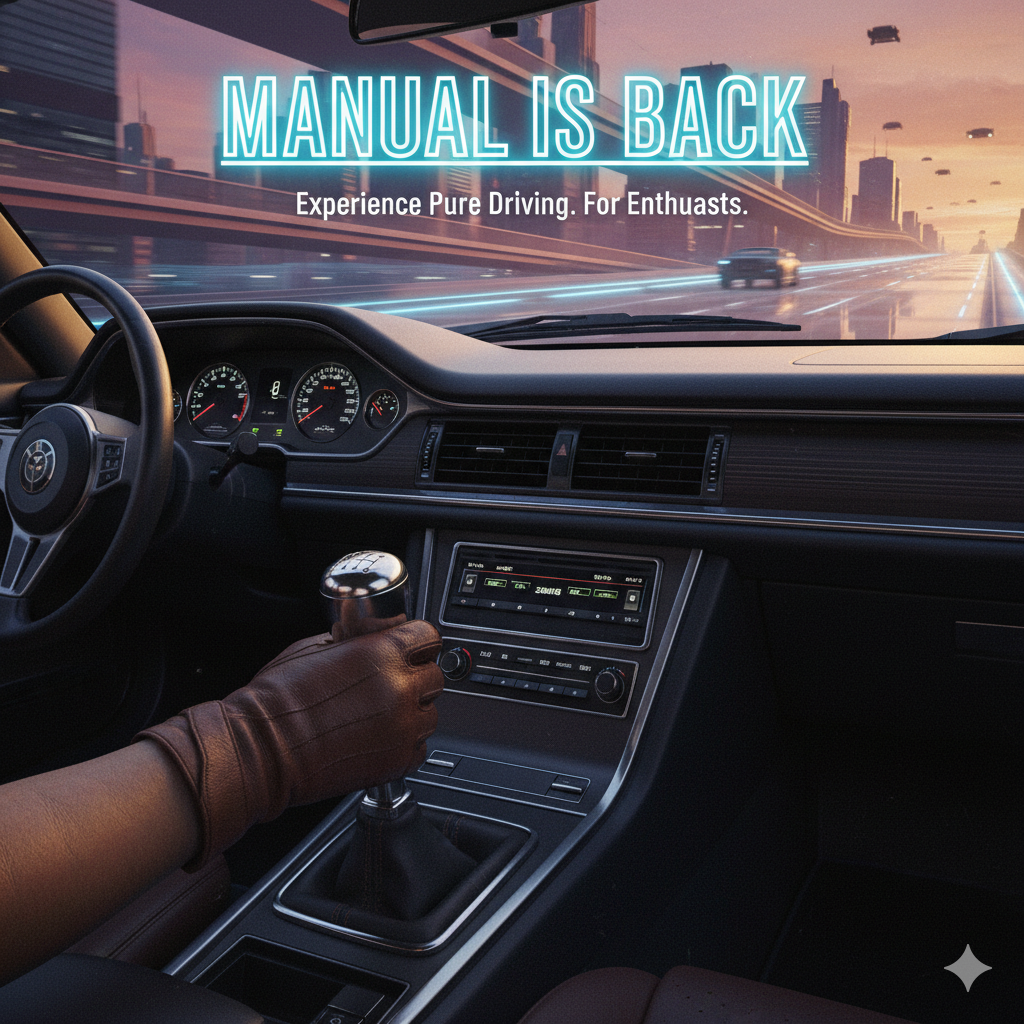
The debate of manual vs automatic is heating up again as 2026 approaches. For driving enthusiasts and everyday buyers alike, the availability of a manual car or stick shift option affects purchase decisions, resale value, and the sheer joy of driving. This article explores whether manual is making a comeback in 2026, the future of manual cars in the U.S., which models still offer a manual transmission, and what buyers should consider when choosing between manual and automatic cars.
Is the manual transmission seeing renewed interest in 2026?
Across the automotive world, manual transmission sales have seen a modest resurgence as car enthusiasts and manual buyers seek a more engaging driving experience. While automatic sales and dual-clutch automatics dominate new cars and automatic cars remain the mainstream choice, several models in the U.S. continue to offer manual options. Manual cars are seeing renewed popularity among drivers who value greater control, a more engaging driving experience, and potentially lower long-term maintenance expenses.
2026 may not mark a full return to stick shift dominance, but the significant comeback for manual cars lies in niche markets—sports car buyers, compact enthusiast cars, and certain pickup or performance trims. Manual transmission isn’t for everyone, especially as electric cars and continuously variable transmissions gain share, but the manual option remains a sought-after transmission option for many driving enthusiasts.
Which sports car manufacturers are expected to continue offering manual transmissions in 2026?
Several sports car makers like Porsche, BMW, Mazda, Toyota, and Nissan have publicly supported manual transmissions in enthusiast trims. Porsche continues to offer a manual with certain 911 and Porsche 718 models for buyers who want a traditional manual gearbox experience. BMW M models such as the M2 and M4 have also historically offered manual versions or special trims to satisfy manual buyers and maintain performance heritage.
Mazda continues to champion the manual car with the Miata and Mazda’s lightweight sports offerings, while Toyota has kept manual options alive in the GR Supra lineup and GR Corolla. Nissan Z and the GR86 from Subaru/Toyota collaborations also appeal to stick shift drivers. These brands acknowledge that offering a manual transmission retains core car enthusiasts and fuels excitement around new manual sports cars in 2026.
Are manual buyers influencing manufacturers to offer manual options?
Yes, manual buyers—often vocal car enthusiasts—are influencing automakers to preserve manual transmission choices. Manufacturers track manual transmission sales and enthusiast engagement; when enough buyers favor stick shifts over automatics in performance trims, brands respond by offering a manual available in select models. Manual buyers typically include those seeking a manual driving experience, drivers who enjoy driving a manual car for weekends, and collectors aiming to own a new manual car before manuals become rarer.
This feedback loop means models with strong enthusiast followings—such as the Honda Civic Type R, Toyota GR Corolla, and Porsche 911—may continue to offer manual options. However, the number of models offering a manual transmission remains limited relative to automatic sales, reflecting a balance between enthusiast demand and broader market trends toward automatic cars and electric vehicles.
Which new cars in 2026 will likely offer a manual transmission option?
Several models expected to have a manual version or continue a manual tradition include: Mazda Miata (manual gearbox, lightweight driving), Toyota GR Supra and Toyota GR Corolla (manual and stick shift variants on specific trims), Nissan Z (manual available), Subaru BRZ/GR86 (manual sports car focus), Porsche 911 and Porsche 718 (manual variants for purists), BMW M2 and M4 (manual option or special editions), Honda Civic Type R (manual-focused), Acura Integra (manual offered in sport trims), Chevrolet Camaro/Muscle cars (manual versions), and Ford Mustang (manual options on many trim levels).
These models typically offer 6-speed manual gearboxes or even 6-speed manuals with rev-matching and driver aids. Buyers seeking a new manual car in 2026 should check manufacturer configurations as availability can vary by trim and region. Car enthusiasts should also consider dual-clutch automatic offerings where performance-oriented drivers sometimes prefer dual-clutch automatic tech for faster shifts, though many still favor manual driving enjoyment.
What features do manual sports cars typically offer compared to automatic sports cars?
Manual sports cars often include features geared toward driver engagement: short-throw shifters, rev-matching, lightweight flywheels, and tuned clutches for spirited driving. Examples across models include: Porsche 911 manual with refined gear engagement and driver aids, Mazda Miata with a simple, responsive 6-speed manual and light chassis, Toyota GR Corolla with a performance-oriented manual gearbox, and Nissan Z offering a manual with a robust clutch and sport-tuned shift linkage.
Automatic sports cars, including those with dual-clutch automatic systems, emphasize quick shift times, consistent lap times, and convenience. Dual-clutch automatics can outperform many manual gearboxes in downshifts and acceleration but often sacrifice the tactile involvement that manual drivers cherish. For many driving enthusiasts, the manual transmission remains a defining feature of the sports car experience.
How does owning a manual car affect used car buyers and used car dealers?
For used car buyers, owning a manual car can be a rewarding choice. Manuals often have lower purchase prices in the used market because many buyers opt for automatics, but stick shift cars can be increasingly desirable to enthusiasts and collectors, pushing prices up for well-kept manual versions. Used car dealerships and used car dealers in regions with active enthusiast communities may notice higher demand and better resale values for manual transmission cars.
When shopping for used cars for sale, buyers should inspect clutch condition, listen for gear whine, and test-drive to ensure smooth shifting. Used car dealerships and dealers that cater to enthusiasts might carry manual versions of models like the Honda Civic, Subaru WRX/BRZ, Mazda Miata, Toyota Tacoma, and various sports cars. Manual transmission sales in the used market remain a vital segment for buyers seeking driving engagement.
Are manual transmissions common in economy cars and commuter vehicles in 2026?
In 2026, manual transmissions are less common in economy cars and commuter vehicles, as buyers favor automatic transmissions and continuously variable transmissions for convenience and fuel efficiency. However, a handful of economy models and compact cars still offer a 6-speed manual or manual option, particularly where manufacturers aim to keep entry-level variants affordable or appeal to younger drivers learning to drive a stick shift.
Models like the Honda Civic (select trims), Hyundai offerings, and some Toyota trims occasionally offer manual gearboxes. For buyers prioritizing fuel economy and low maintenance, automatics and CVTs often deliver better real-world MPG and smoother urban driving. Still, manual driving remains a preference for certain drivers seeking connection over commuting ease.
Which trucks and SUVs might keep manual options, like the Toyota Tacoma?
Manual options in trucks and SUVs are dwindling but not extinct. The Toyota Tacoma has historically offered stick shift variants in certain trims and remains a notable example of a manual gearbox in a practical pickup. Some compact SUVs and off-road focused trims may retain a manual transmission to appeal to buyers who want direct control in off-road situations and reliability in remote areas.
Manufacturers may continue to offer a manual in specialty trims of trucks and SUVs for buyers who demand a rugged, straightforward drivetrain. However, most buyers in the U.S. today prioritize automatics for daily convenience, towing, and highway driving, so manual offerings in this segment will remain limited to niche models and trims.
How do electric cars affect the future of manual cars?
The rise of electric cars profoundly impacts the future of manual cars because EVs do not use multi-gear manual transmissions; they use single-speed gear reduction systems. As electric car adoption accelerates, especially in new cars and future models, the opportunity to drive a manual car becomes rarer in the long term. Nevertheless, ICE cars and new manual car offerings remain relevant for years, and manufacturers may keep manual versions for performance and enthusiast models.
Thus, the future of manual cars is tied to buyer demand, regulatory landscapes, and how long internal combustion engine vehicles remain mainstream. Enthusiast cars, limited-production sports cars, and certain muscle cars may preserve manual transmissions longer than mass-market economy cars, maintaining a niche but passionate market.
Which specific models and their manual features should buyers consider in 2026?
Here is a list of notable manual transmission models and key features to consider:
- Mazda MX-5 Miata: Lightweight design, precise 6-speed manual transmission, balanced handling, and a classic open-top driving experience.
- Porsche 911: Manual available on select trims, refined gear engagement, iconic driving dynamics.
- Porsche 718: Manual option with sharp handling and tactile shift feel.
- Toyota GR Supra / GR Supra: Manual on certain trims or related GR variants, performance-oriented gearbox.
- Nissan Z: Manual available, strong torque, sport-tuned clutch.
- Toyota GR Corolla / GR Corolla: Rally-inspired setup, manual gearbox for enthusiasts.
- Subaru BRZ / Toyota GR86: Manual standard on many trims, light chassis, driver-focused.
- BMW M2 / M4: Manual available in special editions or selected trims, performance pedigree.
- Honda Civic Type R: Manual-focused performance, short-throw shifter, rev-match.
- Acura Integra: Manual option on sport trims, fun commuter with performance edge.
- Chevrolet Camaro / Ford Mustang: Manual offered across many trims, classic muscle feel.
- Toyota Tacoma: Manual available in off-road or base trims, durable gearbox for rugged use.
When considering these models, look for features like 6-speed manual gearboxes, rev-matching, limited-slip differentials, lightweight flywheels, and clutch feel—each contributing to the manual driving experience.
Should buyers opt for manual or automatic when shopping for used cars in 2026?
Buyers should weigh priorities: if driving engagement, control, and potential collector appeal matter most, choosing a manual version of an enthusiast model makes sense. If daily convenience, traffic ease, and broader aftermarket support are priorities, automatics or dual-clutch automatics may be preferable. For used car buyers, manuals can offer value and lower initial cost, with careful inspection recommended for clutch wear and transmission health.
Used car dealerships in competitive markets may stock manuals for enthusiasts, and used car dealers who understand sport models can help locate stick shift cars. Ultimately, whether to buy a manual depends on lifestyle, driving needs, and how much the joy of driving a manual car factors into your decision.
Conclusion: Manual vs Automatic — Is Manual Making a Comeback in 2026?
Manual transmission cars are experiencing a targeted resurgence in 2026, primarily within enthusiast circles, sports cars, and select performance trims. While automatic sales and electric cars continue to grow, several manufacturers—Toyota, Porsche, Mazda, BMW, Subaru, Nissan, Honda, and others—still offer manual versions, preserving the stick shift legacy. For buyers researching used cars and the future of manual cars, manuals remain a viable and emotionally rewarding option in the market.
If you’re shopping in the used market, consider visiting Olympic Auto Sales, a Used Car Dealership in Decatur, Georgia, where used car dealers can help you find used cars for sale, including stick shift cars and manual versions of enthusiast models. Whether you prefer a manual transmission or automatic transmission, informed research will help you find the right car for your driving style and needs.
FAQs: Manual Transmission Making a Comeback in 2026
- Is the manual transmission making a comeback in 2026?
Yes, but only in a limited way. Manuals are seeing renewed interest among driving enthusiasts, but automatics and EVs still dominate the market. - Which car brands still offer manual transmission options in 2026?
Brands like Toyota, Mazda, Porsche, BMW, Subaru, Nissan, and Honda continue to offer manuals.
These are mostly found in sports cars and performance-focused trims. - Why are manual transmissions still being offered?
Automakers continue to offer manual transmissions to satisfy driving enthusiasts who value greater control and a more connected driving experience. They help maintain interest in sports and driver-focused vehicles. - How are electric cars affecting manual transmissions?
Electric carsdon’t use traditional multi-gear manual gearboxes. As EV adoption increases, manuals are becoming less common overall. - Should buyers choose manual or automatic in 2026?
Manuals are best for drivers who enjoy control and engagement while driving. Automatics are better for comfort, traffic use, and everyday convenience.