Understanding the Car Value: What Is the Value of Your Car?
Posted Thursday, Feb 12, 2026
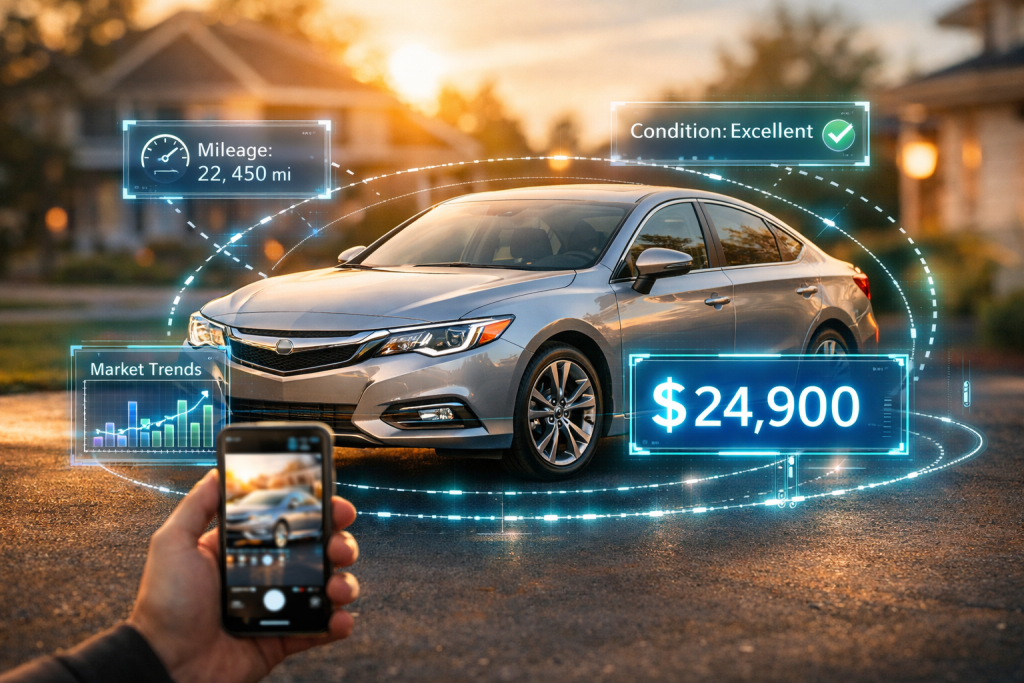
Knowing the value of your car is essential whether you plan to sell your car, trade in your vehicle, insure it, or simply track depreciation. An accurate car valuation helps you set expectations for resale value, decide whether to trade in your car or sell it privately, and understand how market trends and local market conditions impact pricing. This guide explains how car worth is calculated, the difference between types of car values, and practical steps to get the best price for your used car.
How Do I Determine the Market Value of My Car?
To determine your car’s market value, start by comparing similar vehicles in your local market. Use a car value estimator and search listings for the same make and model, mileage, and trim. Current market value reflects what buyers are paying now and depends on market demand and local market conditions.
Examples: check dealership retail value listings, private party listings, and trade-in offers. Retail value is generally higher because dealerships recondition cars; private party value is often higher than trade-in value, but requires more effort to sell it privately. Considering both retail and private party values gives a realistic range for the value of your car.
What Types of Car Values Should I Consider?
Understanding types of car values is key. These include:
- Trade-in value – offered by a dealer when you trade in your car
- Private party value – what you could fetch selling privately
- Retail value – the price a dealership charges for a comparable used car
- History-based value – adjusted for accidents, title issues, or repairs
Knowing these differences helps you decide whether to trade in your vehicle or pursue a private sale. For example, a private sale often yields the best price because you avoid dealer margins, but trading in is faster and reduces the hassle. Use consumer reports, online valuation tools, and local listings to compare these car values before deciding.
What Factors Influence the Value of My Vehicle?
Key factors that influence a car’s value include:
- Mileage
- Condition / wear and tear
- Vehicle history
- Make and model
- Age
- Local market demand
A car with low mileage and a clean service history will usually have higher resale value. Conversely, an accident or salvage title can significantly reduce a car's worth. Market trends—like fuel prices or popularity of SUVs and electric vehicles—also affect value. Seasonal demand (convertibles in summer or 4x4s in winter) can temporarily boost market value.
How does mileage affect my car’s value?
Mileage is a major factor buyers use to assess a car's worth. Higher mileage typically lowers resale value, but well-maintained high-mileage cars can retain good used car value when service records are complete.
Example: A vehicle with 40,000 miles may sell for more than a similar model with 120,000 miles. Always adjust trade-in value or private party value for mileage and upcoming maintenance costs.
How Does a Vehicle History Report Affect Value?
A history-based value can dramatically affect resale value. Reports showing accidents, title issues, or flood damage often reduce a car's worth, while a clean report can increase buyer confidence and help you get approved for a higher price.
Tip: Provide the vehicle history to buyers or dealers. Transparency about maintenance or warranties often results in faster sales at a higher private party value.
Should I Trade In My Car or Sell It Privately?
Deciding whether to trade in your car or sell it privately depends on what you want to achieve.
- Private sale: Higher private party value, but more effort required
- Trade-in: Faster, more convenient, and may reduce taxes when applied to a new purchase
Consider a hybrid approach: get trade-in offers to understand dealer value, then compare with private party listings. If convenience is key, trade in; if maximizing resale value is your goal, sell privately.
How Can I Improve Trade-In Value Before Visiting a Dealer?
Small improvements can increase trade-in value:
- Fix minor mechanical issues.
- Replace burned-out bulbs
- Address cosmetic wear and tear.
- Professional detailing
- Keep maintenance records
These steps help your car appear well-maintained, boosting dealer offers and the overall value of your car.
How Do Local Market Conditions Affect Used Car Pricing?
Local market conditions heavily influence used car pricing. Supply, demand, seasonal trends, and the prevalence of vehicle types affect prices.
Example: 4x4s may retain more value in snowy areas, while convertibles may sell higher in warm climates. Research similar vehicles in your region to maximize private sale or trade-in value.
How Do Online Tools Help Get an Accurate Car Valuation?
Online car valuation tools are essential. Input your vehicle’s make, model, year, mileage, and ZIP code to get a market value estimate. Compare multiple sources since results vary.
Best practice: Combine online results with real-world listings to understand retail value, private party value, and trade-in value, ensuring a realistic range to sell a car confidently.
Which Websites Provide Reliable Used Car Value Estimates?
Reliable sources include:
- Major valuation services
- Consumer reports
- Dealership listings
Cross-check multiple sources and adjust for history-based value and condition to get an accurate car valuation. Honest reporting of your vehicle’s state prevents unrealistic expectations.
How Do Market Trends and Economic Conditions Affect Resale Value?
Market trends like rising demand for fuel-efficient cars or certain brands affect value over time. Economic conditions—interest rates, inflation, and new car availability—also influence used car pricing.
Example: New car shortages can increase the current market value of used cars. Monitor trends to sell when the market favors sellers.
What Role Do Dealerships Play in Setting Pricing?
Dealerships set retail value considering reconditioning costs, warranties, and profit margin. Their offers include overhead, so retail prices are typically higher than private party values. Knowing your trade-in value and private party value helps negotiate fairly.
How Can I Negotiate for the Best Price with a Dealer?
- Bring valuation estimates and maintenance records.
- Negotiate purchase price separately from trade-in.
- Be ready to walk away if offers don’t match expectations.
A strategic approach helps you get the best price, whether trading in or buying another used car.
How Does Selling Privately Affect Price?
Selling privately often results in a higher private party value, but requires:
- Advertising
- Vetting buyers
- Test drives
- Handling paperwork
Steps: prepare the car, list on multiple platforms, and set a realistic private party value. Though time-consuming, private sales maximize resale value.
Common Mistakes That Lower Car Value
- Overpricing beyond the current market value
- Hiding damage
- Poor presentation
- Lack of maintenance records
- Ignoring local market trends
Avoid these to achieve maximum resale value.
How to Accurately Assess Your Car’s Value Before Selling or Trading
- Use multiple car value estimators.
- Check similar vehicles in the local market.
- Evaluate condition, mileage, and history.
- Monitor market trends
This provides a realistic range of trade-in, private party, and retail value to plan your selling strategy.
How Will the Value of a Car Change Over Time?
Some makes and models retain value better due to reliability, reputation, and demand. Depreciation is steepest in early years but slows with low mileage and good maintenance. Research vehicles with strong resale value if a future trade-in or private sale is important.
Key Takeaways
- Car value depends on trade-in, private party, and retail value.
- Mileage, condition, history, make, model, and local market heavily influence a car's worth
- Use multiple sources and local listings for an accurate car valuation.
- Private sales yield the highest resale value; trade-in offers convenience.
- Small repairs, detailing, and records improve trade-in and private party values.
- Monitor market trends and economic conditions to sell at the right time.
When ready to sell or trade in your vehicle, work with trusted local dealerships like Olympic Auto Sales in Decatur, GA. They provide transparent appraisals, local market insights, and help balance convenience with getting the best price for your used car.