


How to Charge Your Electric Car at Home: A Step-by-Step Charging Guide
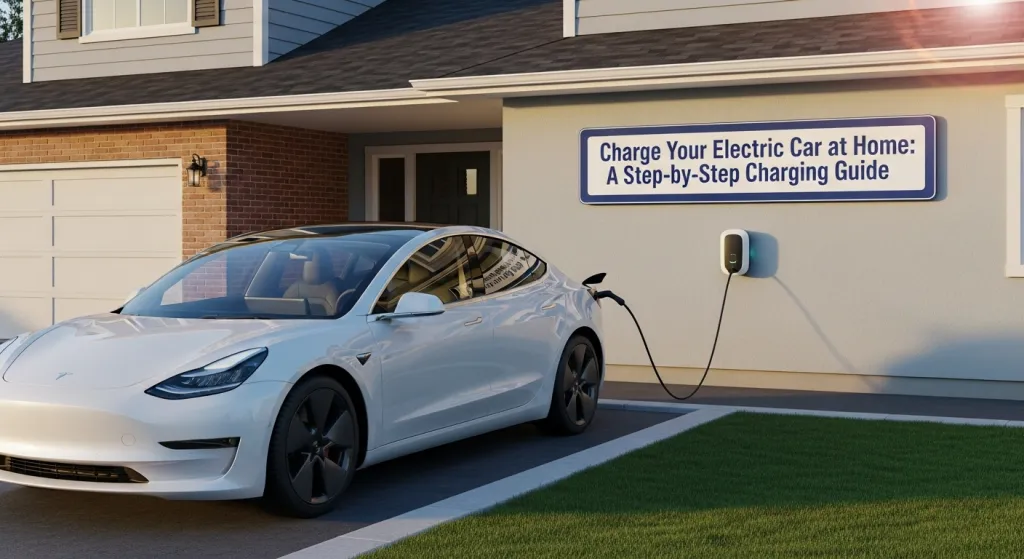
As electric cars become more common on the roads, learning how to charge your electric vehicle (EV) at home has become essential for today’s car buyers—especially those exploring pre-owned electric cars. Charging your electric car at home offers unmatched convenience, lower costs, and the flexibility to fully control your vehicle’s charging schedule. Whether you’re new to EVs or considering switching from gas-powered vehicles, this guide will walk you through everything you need to know about charging your EV at home safely and efficiently.
What Do You Need to Charge Your Electric Vehicle at Home?
Before you can charge your electric vehicle at home, it’s crucial to gather the necessary equipment. The primary components include:
- Charging Equipment: Invest in a reliable home EV charger, which can be either a Level 1 (standard outlet) or Level 2 (240-volt outlet) charger.
- Charging Cable: Ensure you have the appropriate charging cable for your electric vehicle’s charge port. Most electric vehicles include a standard charging cable.
- Power Source: Verify that your home’s electrical system is capable of supporting the charging needs.
Knowing what you need is the first step in creating a safe and efficient home charging setup.
How Does Charging at Home Work?
Charging your electric vehicle at home involves plugging your car into a charging station or wall outlet. Here’s a breakdown of how it works:
- Plugging In: Connect the charging cable to your vehicle’s charge port and the other end to your home charger.
- Charging Speed: Charging time varies by charger type—Level 1 chargers are slower, whereas Level 2 chargers provide quicker charging.
- Battery Management System: Your vehicle’s battery management system ensures safe charging and prevents overcharging.
Understanding the mechanics of charging can help you maximize the efficiency of your home charging experience.
What Are the Different Charging Levels for Electric Car?
Charging an electric vehicle can be categorized into different levels, each with its unique specifications:
- Level 1 Charging: Standard 120-volt outlet; typically offers 2-5 miles of range per hour of charging.
- Level 2 Charging: 240-volt outlet; provides 10-60 miles of range per hour, making it the preferred choice for home charging.
- DC Fast Charging: Available at public charging stations; can charge an EV to 80% in about 30 minutes.
Choosing the right charging level is essential based on your driving habits and daily range needs.
Charging an Electric Vehicle at Home: How Long Does It Take?
Several factors influence how long it takes to charge your EV at home:
- Battery size: Larger batteries take longer to charge.
- Charger Type: Level 2 chargers provide much faster charging compared to Level 1 chargers.
- State of charge: Charging from 10% to 80% takes less time than charging from 0% to 100%.
For example:
- Level 1 charger: 12–20 hours for a full charge
- Level 2 charger: 4–8 hours for a full charge
For most drivers, plugging in overnight with a Level 2 home charger ensures a full battery each morning—ideal for daily commuting.
What Are the Benefits of Home EV Charging?
Charging your electric vehicle at home provides several benefits:
- Convenience: No need to visit public charging stations; simply plug in your car overnight.
- Cost-Effective: Home electricity rates are generally lower than public charging rates.
- Optimized Charging: You can schedule charging during off-peak hours to save on electricity costs.
These benefits can enhance your overall EV ownership experience.
What to Consider When Installing a Home Charger?
Installing a home charger requires careful consideration of several factors:
- Electrical Capacity: Ensure that your home’s electrical system can support the additional load of a charging station.
- Location: Choose a location that is easily accessible for your vehicle and close to the electrical source.
- Permits and Regulations: Check local regulations and obtain necessary permits before installation.
Taking these steps can help you avoid complications during installation.
How to Maintain Your Home Charging Station?
Maintaining your home charging station is crucial for safety and performance:
- Regular Inspection: Check the charging cable and connector for wear or damage.
- Clean the Equipment: Keep the charging station clean and free from debris.
- Monitor Charging Sessions: Use a charging app to track your charging sessions and ensure everything is functioning correctly.
Proper maintenance can extend the lifespan of your charging equipment.
What Are Common Charging Issues and Solutions?
Even with the best setup, you might encounter some charging issues:
- Inconsistent Charging: If your charger is not delivering consistent power, check the connections and your home’s electrical system.
- Slow Charging: Ensure you are using the appropriate charger for your EV model and battery capacity.
- Charging Station Malfunction: If your charging station is not working, contact a professional for repairs.
Knowing common problems can help you troubleshoot more efficiently.
How to Operate Your EV Charging App Effectively
Using a charging app can enhance your EV charging experience:
- Locate Charging Stations: Find nearby public charging stations and their availability.
- Track Your Charging Sessions: Use the app to monitor your charging speed and session details.
- Schedule Charging: Set your home charger to charge during off-peak hours to save on costs.
Leveraging technology can make charging more efficient and user-friendly.
How Can You Optimize Charging Your Electric Vehicle at Home?
To maximize the efficiency of charging your electric vehicle at home, consider these tips:
- Take Advantage of Off-Peak Rates: Schedule charging during times when electricity rates are lower.
- Monitor Your Vehicle’s Battery Health: Keep an eye on your battery management system to ensure optimal performance.
- Utilize Smart Home Features: Integrate your charging station with smart home systems for better control and monitoring.
Optimizing your charging practices can lead to significant savings and improved efficiency.
What Are the Key Takeaways on Charging Your Electric Vehicle at Home?
- Collect the required charging equipment and familiarize yourself with the various charging levels.
- Charging at home provides convenience and cost savings compared to public charging.
- Regular maintenance and monitoring are essential for effective home charging.
- Use charging apps and smart technology to improve and simplify your charging experience.
- Consider working with professionals for installation and troubleshooting.
Conclusion
In conclusion, charging your electric vehicle at home is not only feasible but also beneficial for EV owners. By following this step-by-step guide, you can ensure that your home charging setup is efficient and effective. If you’re considering a quality electric used car, Olympic Auto Sales in Decatur, GA, offers a variety of high-quality electric used cars and other used cars in Decatur to meet your needs.